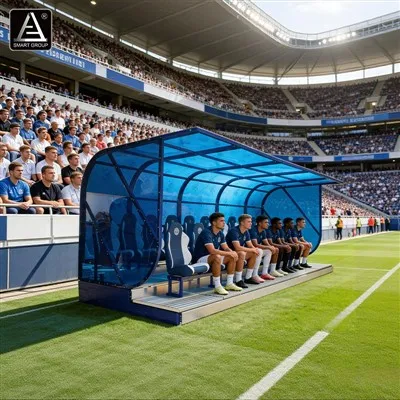
In the grand tapestry of European football, few cities carry as much weight as Milan. While London boasts numerous clubs and Madrid has its royal powerhouse, Milan stands unique as the only city where two different clubs have reached the pinnacle of Europe by winning the UEFA Champions League. AC Milan and FC Internazionale Milano (Inter Milan) are more than just sports teams; they are cultural institutions. Known as the "Milan Giants," their rivalry, history, and shared home have shaped the modern game.
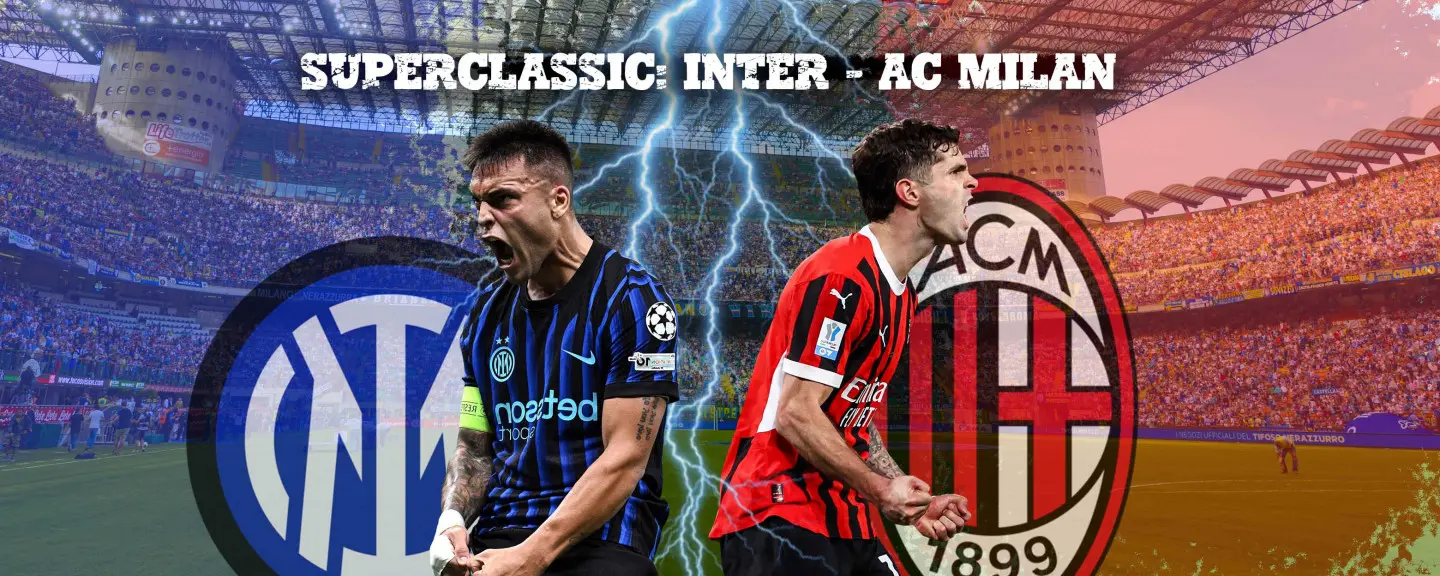
The Historical Blueprint: A Tale of Two Identities
The story of Milanese football is one of unity followed by a dramatic schism. In December 1899, British expatriate Herbert Kilpin founded the Milan Foot-Ball and Cricket Club. Kilpin's vision was fierce: "We will be a team of devils. Our colors will be red like fire and black like the fear we will invoke in our opponents."
However, in 1908, a fundamental disagreement arose regarding the recruitment of foreign players. The more traditional Italian faction wanted to limit the squad to locals, while a progressive group of 44 members broke away, insisting that football should be "international." This group founded FC Internazionale.
The Class Divide
For much of the 20th century, the two clubs reflected the socio-economic layers of the city:
· AC Milan (Rossoneri): Historically supported by the blue-collar workers and trade unionists, earning them the nickname casciavit (screwdrivers).
· Inter Milan (Nerazzurri): Supported by the wealthy Milanese middle class, known as the bauscia (boasters), who could afford to travel to matches by motorbike.
Today, these class distinctions have largely faded, replaced by global fanbases, but the cultural heritage remains a core part of their identity.
Distinct Characteristics and European Dominance
What truly sets the Milan Giants apart is their contrasting "DNA" and their incredible success on the international stage.
AC Milan: The Kings of Europe
If Real Madrid is the gold standard of the Champions League, AC Milan is the silver. With 7 UEFA Champions League titles, the Rossoneri have always prioritized European glory over domestic titles.
· The Golden Eras: The club reached its zenith during the late 1980s under Arrigo Sacchi, whose "immortals" featured the legendary Dutch Trio: Marco van Basten, Ruud Gullit, and Frank Rijkaard. Later, under Carlo Ancelotti in the 2000s, players like Kaká, Andrea Pirlo, and Paolo Maldini cemented Milan's reputation as the "University of Football."
· The Style: Traditionally, Milan is associated with elegant, attacking football and a "family-style" management approach that kept legends like Maldini at the club for 25 seasons.
Inter Milan: The Tactical Masterminds
Inter Milan is defined by resilience and tactical innovation. They are the only Italian club never to have been relegated to Serie B, a point of immense pride for the Interisti.
· The Grande Inter: In the 1960s, manager Helenio Herrera revolutionized football with the Catenaccio (door-bolt) system, leading Inter to back-to-back European Cups.
· The Historic Treble: In 2010, led by the "Special One" José Mourinho, Inter achieved what no other Italian club has: winning the Serie A, Coppa Italia, and the Champions League in a single season. This era was defined by the grit of players like Javier Zanetti and the clinical finishing of Samuel Eto'o.
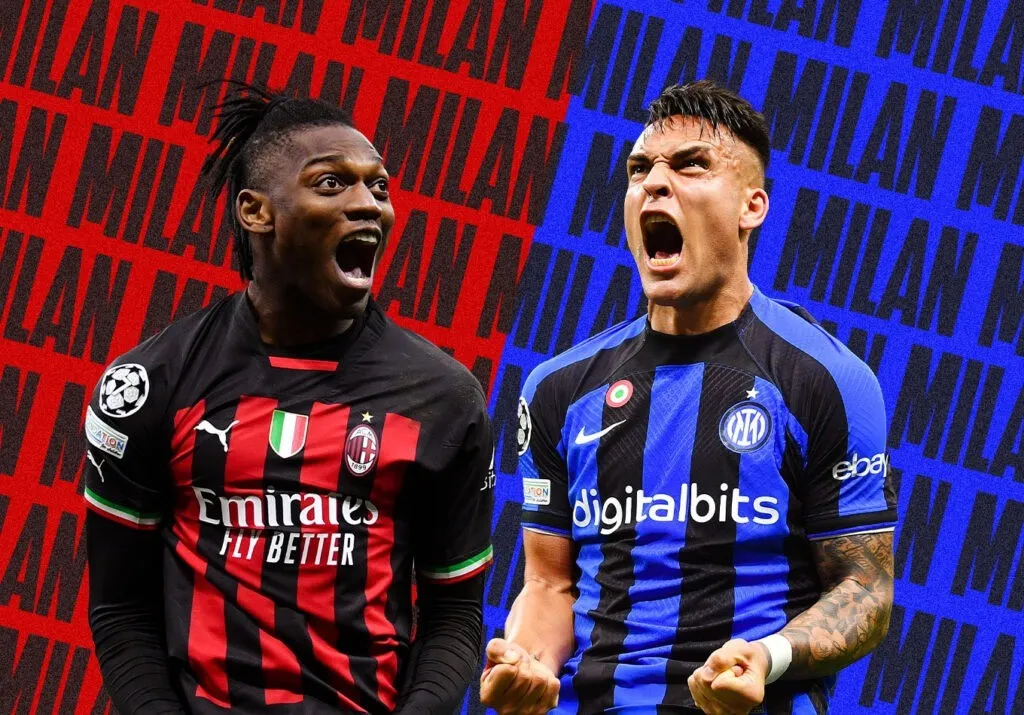
The Fortress: Giuseppe Meazza Stadium (San Siro)
One of the most fascinating aspects of Milanese football is that these two bitter rivals share one of the world's most iconic stadiums: The Stadio Giuseppe Meazza, famously known as San Siro.
A Tale of Two Names
The stadium is a source of subtle linguistic rivalry. While the world knows it as San Siro (the name of the district), it was officially renamed in 1980 after Giuseppe Meazza. Meazza was a two-time World Cup winner who played for both clubs but is more deeply associated with Inter. Consequently:
· Inter fans often proudly use the name "Giuseppe Meazza."
· AC Milan fans usually prefer "San Siro."
Architectural Majesty
With its eleven massive cylindrical towers and a capacity of nearly 80,000, San Siro is known as the "La Scala of Football." Its steep stands create an intimidating atmosphere that amplifies the sound of the crowd, making it a "bucket list" destination for any sports fan. However, in recent years, debates have raged about its future, with both clubs exploring the possibility of building a modern, state-of-the-art stadium to replace the aging icon.
A Stage for Global Spectacle: Famous Events
San Siro has not only hosted the fierce Derby della Madonnina (named after the golden statue of the Virgin Mary on the Milan Cathedral) but has also been the center of global sporting history:
1. FIFA World Cups (1934 & 1990): In 1990, the stadium underwent massive renovations to add the iconic third tier. It hosted the opening match where Cameroon famously defeated Maradona's Argentina.
2. European Cup/Champions League Finals: The venue has hosted the final of Europe's top club competition four times (1965, 1970, 2001, and 2016). Each final brought the eyes of the world to Milan, reinforcing its status as a footballing capital.
3. The 2026 Winter Olympics: Looking ahead, San Siro is set to host the opening ceremony of the 2026 Milano Cortina Winter Olympics, proving its versatility beyond just football.
A Rivalry That Defines Greatness
The rivalry between AC Milan and Inter Milan is unique because it is built on mutual respect and shared space. Unlike many derbies characterized by violence, the Derby della Madonnina is often a celebration of Milanese culture.
For the football fan, understanding the Milan Giants is essential to understanding the history of European football. Whether you prefer the European flair of the Rossoneri or the tactical steel of the Nerazzurri, one thing is certain: the city of Milan remains the undisputed heart of the beautiful game.
Author Profile: Guangzhou Smart Sports Industrial Co., Ltd.