In the heart of Brazilian football-a sport that is less of a game and more of a national religion-one name stands as a monument to success, organization, and tradition: São Paulo Futebol Clube (SPFC). Known affectionately as the Tricolor Paulista, São Paulo FC is not just a football team; it is a symbol of excellence that has conquered South America and the world.
Whether you are a die-hard supporter or a football enthusiast looking to understand the roots of Brazilian greatness, this guide explores the fascinating history, the iconic stadium, and the legendary achievements of the "Clube da Fé" (The Faith Club).
The Birth and Rebirth of a Giant
The history of São Paulo FC is a saga of resilience that sets it apart from its rivals. Unlike many clubs that evolved from single sports social circles, SPFC was forged through the merger of established football powers and survived a near-death experience in its infancy.
The Foundation and the Financial Crisis (1930–1935)
The club was officially founded on January 25, 1930, by former members of CA Paulistano and AA das Palmeiras. Despite winning the state championship just one year later, the club was hit by a severe financial crisis exacerbated by political instability in Brazil. In 1935, the club was briefly forced to merge with another entity and essentially ceased to exist as an independent football powerhouse.
However, the "Faith" of its members prevailed. On December 16, 1935, a group of loyalists-known as the "Founding dynamic"-re-established the club. This miraculous comeback earned them the nickname "O Clube da Fé" (The Faith Club). This history of rising from the ashes remains a core part of the fan identity today, symbolizing that no matter how difficult the struggle, the Tricolor will always prevail.
Defining the "Tricolor": Identity and Philosophy
What truly distinguishes São Paulo FC is its commitment to professionalism and a "European" approach to management, which was rare in South American football for much of the 20th century.
The Three Colors and the Crest
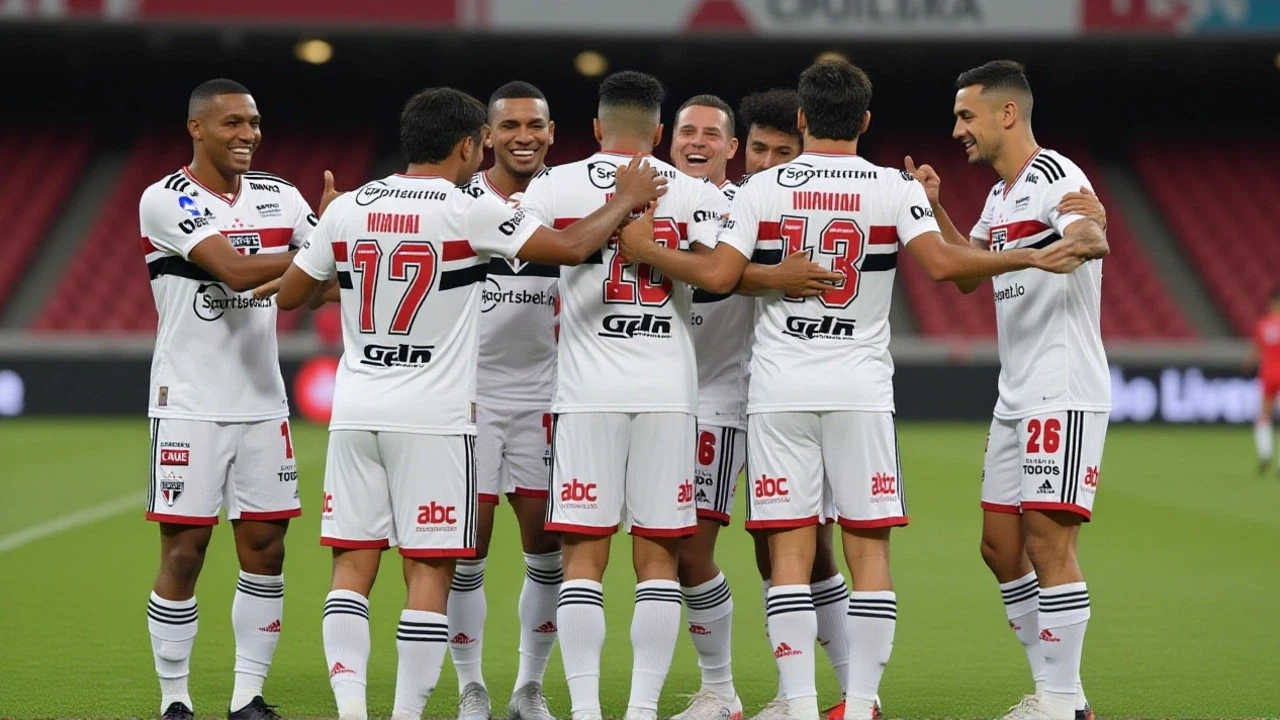
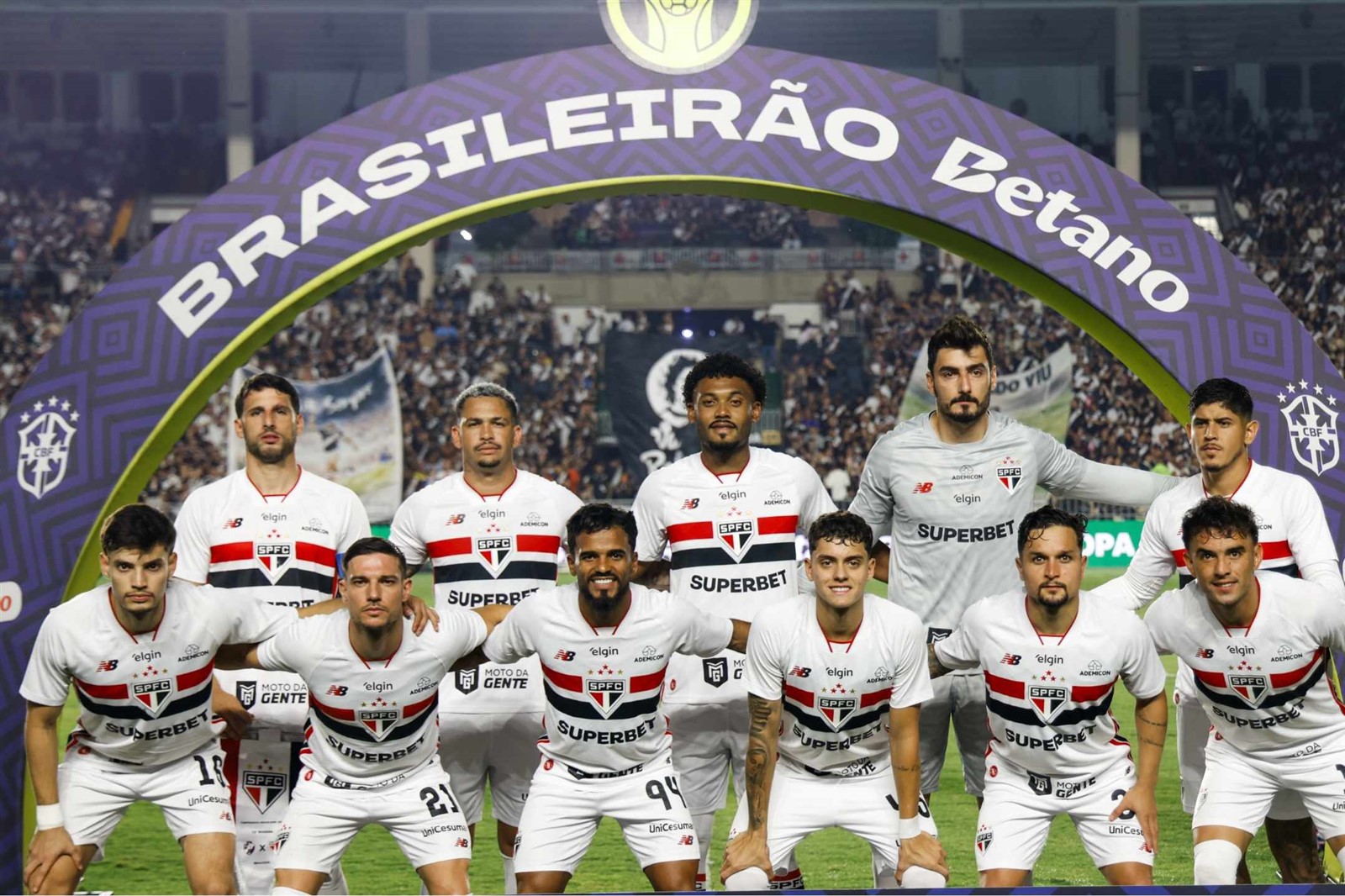
The club's identity is tied to its three colors: Red, White, and Black. The white represents the peace of the sportsmen, the red represents the blood of the athletes, and the black represents the determination of the club. The crest itself is one of the most recognizable in the world, featuring three stars representing the club's three Intercontinental/World titles.
A Culture of Science and Excellence
SPFC is often cited as the most organized club in Brazil. They were the first in South America to invest heavily in a world-class medical and physical recovery center, known as REFFIS. This scientific approach allowed the club to attract aging European stars and prolong their careers, a strategy that led to numerous titles in the 2000s.
The "Cotia" Talent Factory
The club's youth academy in Cotia is a global gold standard. It hasn't just produced players; it has produced legends. Names like Kaká (the last Brazilian to win the Ballon d'Or), Casemiro, Lucas Moura, and Hernanes all began their journeys here. For SEO and football scouts alike, Cotia is synonymous with elite talent.
The Fortress: MorumBIS (Estádio do Morumbi)
The home of São Paulo FC, the Estádio Cícero Pompeu de Toledo, is a landmark of the city. Recently rebranded as MorumBIS, it is an architectural marvel and a "cathedral" of football.
A Monument to Ambition
When construction began in the 1950s, the project was so massive that critics labeled it a "folly." At the time, the club was spending all its resources on the stadium rather than players, leading to a long trophy drought. However, when it was fully completed in 1970, it became the largest private stadium in Brazil.
· Capacity: Currently hosting over 66,000 fans.
· Atmosphere: On "Libertadores Nights," the Morumbi becomes a cauldron. The sight of tens of thousands of fans waving flags under the floodlights is one of the most iconic images in South American sports. It isn't just a stadium; it's a fortress where giants like Real Madrid and Barcelona have struggled to compete.
The Golden Era and the "Triple Crown"
The 1990s and mid-2000s were the eras that cemented São Paulo's status as a global titan. The club achieved the "Triple Crown" of football-winning the state, continental, and world titles.
The Telê Santana Masterclass (1991–1994)
Under coach Telê Santana, São Paulo played a brand of football known as "O Jogo Bonito" (The Beautiful Game). During this peak, they achieved the unthinkable:
· Back-to-back Copa Libertadores titles (1992, 1993).
· Intercontinental Cup Triumphs: They defeated Johan Cruyff's Barcelona in 1992 and AC Milan in 1993, proving that Brazilian club football was superior to the European elite.
2005: The Year of the World Champion
In 2005, the club reached its zenith. Led by the legendary goalscoring goalkeeper Rogério Ceni-who holds the world record for most goals scored by a keeper (131)-São Paulo won the Campeonato Paulista, the Copa Libertadores, and the FIFA Club World Cup. Their 1-0 victory over a star-studded Liverpool in Japan remains the proudest moment for the São-Paulinos.
Famous Tournaments and Global Events
Beyond the club's own matches, the Morumbi has been a stage for global history.
| Tournament | Significance |
| Copa América (2019) | Hosted the prestigious opening ceremony and match. |
| Copa Libertadores Finals | The venue for more than five historic South American finals. |
| The "Majestoso" Derby | Home to the fierce rivalry matches against Corinthians. |
| World Cup History | While it didn't host 2014 matches, it was the primary hub for the 1950 and various qualifier eras. |
Furthermore, the stadium is Brazil's premier concert venue, having hosted legends like Paul McCartney, Queen, and Coldplay, making it a cultural heart for the city of São Paulo.
Conclusion: Why São Paulo FC is the "First Among Equals"
São Paulo FC represents the pinnacle of Brazilian footballing ambition. With three World titles, three Copa Libertadores, and six Brazilian League (Brasileirão) titles, their trophy cabinet is a testament to a "Winner's DNA."
For any traveler or fan, visiting the Morumbi is a pilgrimage. It is a place where history was written by legends like Leonidas da Silva, Careca, and Rogério Ceni. As the club motto proudly proclaims: "Dentre os grandes, és o primeiro"-Among the greats, you are the first.
Author Profile: Guangzhou Smart Sports Industrial Co., Ltd.