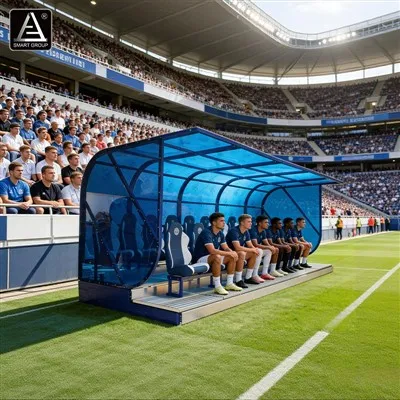
In the pantheon of professional football, few names evoke as much passion, respect, and raw emotion as Liverpool Football Club. Known for its deep historical roots, a trophy cabinet that rivals any in Europe, and a global fan base that defines the word "loyalty," Liverpool FC is more than just a sports organization-it is a cultural powerhouse. From the hallowed turf of Anfield to the hauntingly beautiful echoes of "You'll Never Walk Alone," this is the definitive story of the Reds.
A Foundation Born of Conflict and Ambition
The origin of Liverpool FC is a fascinating tale of local drama that changed the course of sporting history. Unlike many clubs founded from scratch, Liverpool was born out of a dispute in 1892. At the time, the city's older club, Everton, played their home matches at Anfield, a ground owned by local businessman and future Lord Mayor, John Houlding.
Following a heated disagreement over rent and club management, Everton vacated Anfield and moved across Stanley Park to Goodison Park. Left with an empty stadium but a grand vision, Houlding founded Liverpool Football Club on June 3, 1892. The early team was famously dubbed the "Team of All the Macs" because it was comprised almost entirely of Scottish players recruited for their tactical discipline. From these contentious beginnings, a titan was born, destined to dominate English and European football.
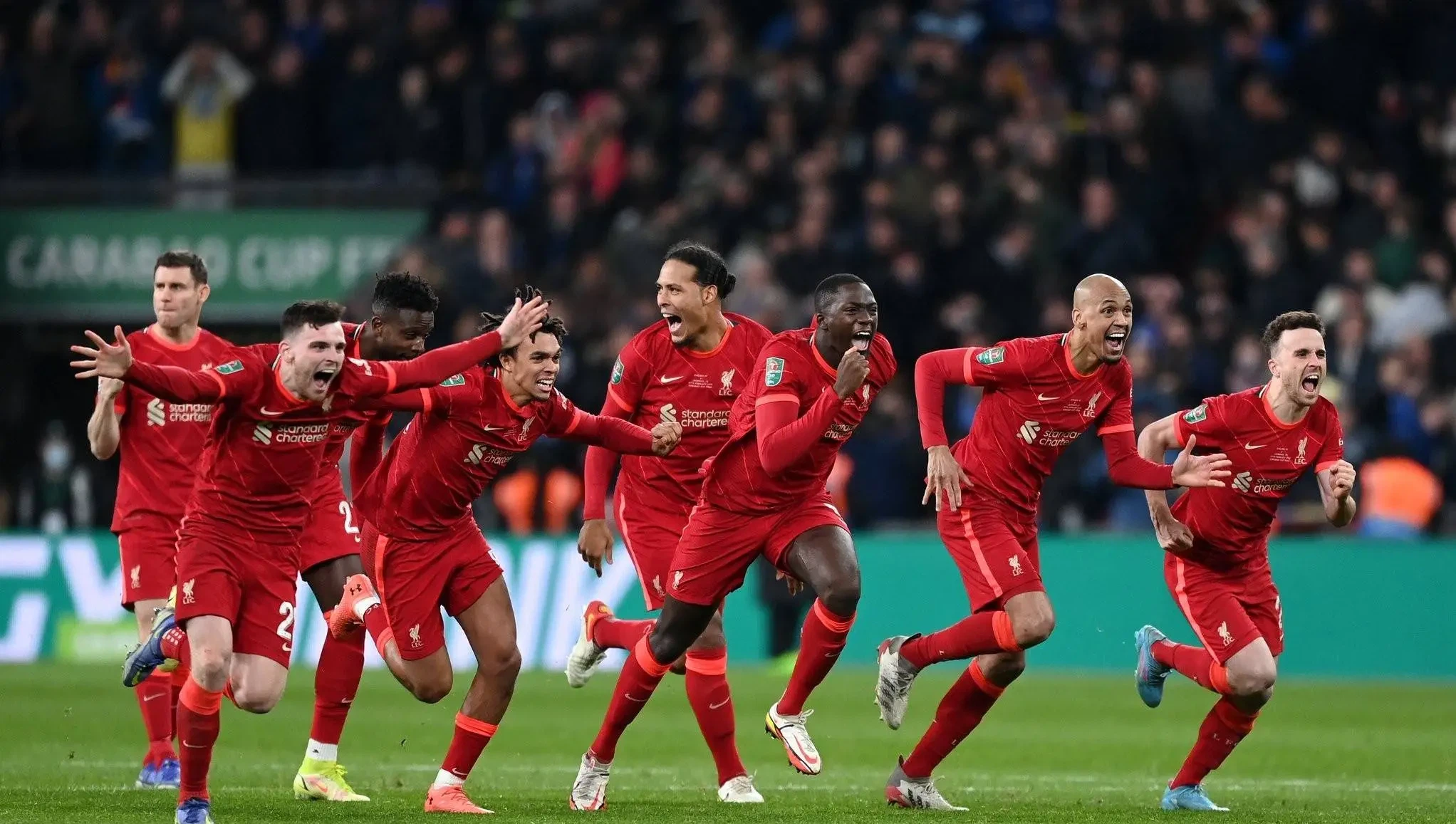
The Identity: What Makes Liverpool FC Unique?
What truly sets Liverpool apart from its peers is a unique blend of working-class pride, relentless ambition, and a transcendental emotional bond between the team and its supporters. This identity is built on several pillars:
The Boot Room Culture and the Shankly Legacy
The club's modern success was built on a philosophy established by the legendary Bill Shankly in the 1960s. Shankly didn't just coach; he revolutionized. He transformed a struggling second-division side into a "bastion of invincibility." The "Boot Room"-a modest room where coaching staff met to discuss tactics over tea and ale-became the intellectual engine of the club, producing a succession of legendary managers like Bob Paisley, who won three European Cups, and Joe Fagan.
"You'll Never Walk Alone"
Adopted in the early 1960s, this anthem is the heartbeat of the club. It represents a promise of solidarity that has carried the club through its darkest hours, most notably the Hillsborough disaster of 1989. For Liverpool fans, the song is a reminder that the club is a family, and no one is left behind in the pursuit of glory or the endurance of grief.
The Klopp Revolution and "Heavy Metal Football"
In recent years, Jürgen Klopp redefined the club's identity for the 21st century. Introducing a high-intensity, "Gegenpressing" style known as Heavy Metal Football, Klopp reconnected the team with its roots. Under his leadership, Liverpool ended a 30-year wait for a league title and re-established themselves as a terrifying force in Europe, characterized by explosive speed and mental resilience.
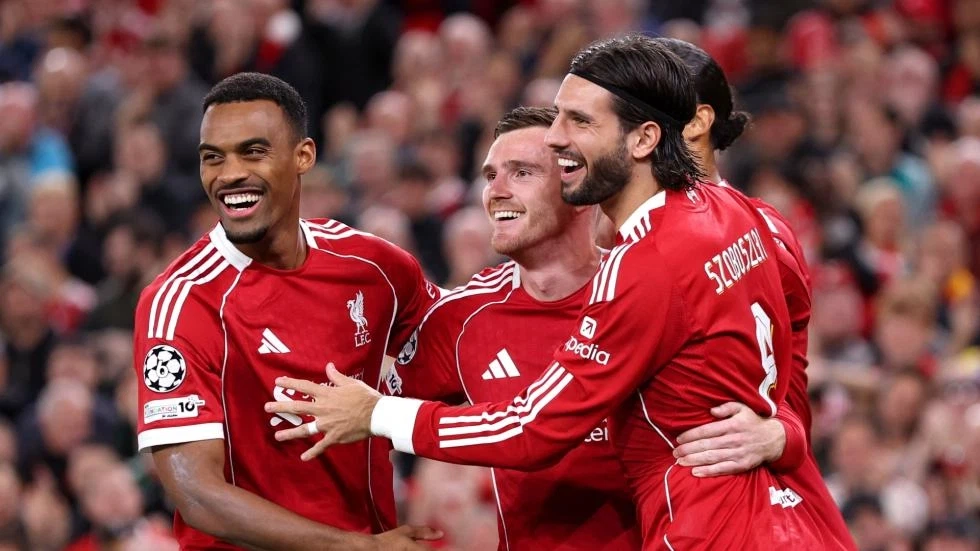
Anfield: The Fortress of the Reds
If Liverpool FC is the soul, then Anfield is its temple. Located in the heart of the Anfield district, this stadium is world-renowned for its intimidating atmosphere that has broken the spirit of many world-class opponents.
The Power of The Kop
The most famous section of the ground is the Spion Kop, or simply "The Kop." Named after a hill in South Africa where many local soldiers died during the Boer War, The Kop became the most famous terrace in football. On match days, the "Kopites" create a deafening wall of sound and a vibrant sea of banners. Legends often say that the Kop can "suck the ball into the net" during crucial moments.
Modern Expansion
While maintaining its historic charm-including the iconic "This is Anfield" sign in the tunnel-the stadium has undergone significant modernization. The expansion of the Main Stand and the Anfield Road Stand has increased capacity to over 61,000, ensuring the club can meet the massive global demand for tickets while preserving the "Old School" feel that makes it a pilgrimage site for fans.

Icons Who Shaped the Legend
A club's history is written by its players. Liverpool has been home to some of the greatest talents to ever grace the pitch:
· Sir Kenny Dalglish: Known as "King Kenny," his grace on the pitch and leadership during the club's most difficult off-field moments made him the ultimate Liverpool icon.
· Steven Gerrard: The local hero who stayed loyal despite tempting offers from elsewhere. His ability to single-handedly win games-most notably in Istanbul-cemented his status as perhaps the greatest midfielder in Premier League history.
· Mohamed Salah: The "Egyptian King" who shattered scoring records and became a global symbol of the club's modern attacking prowess.
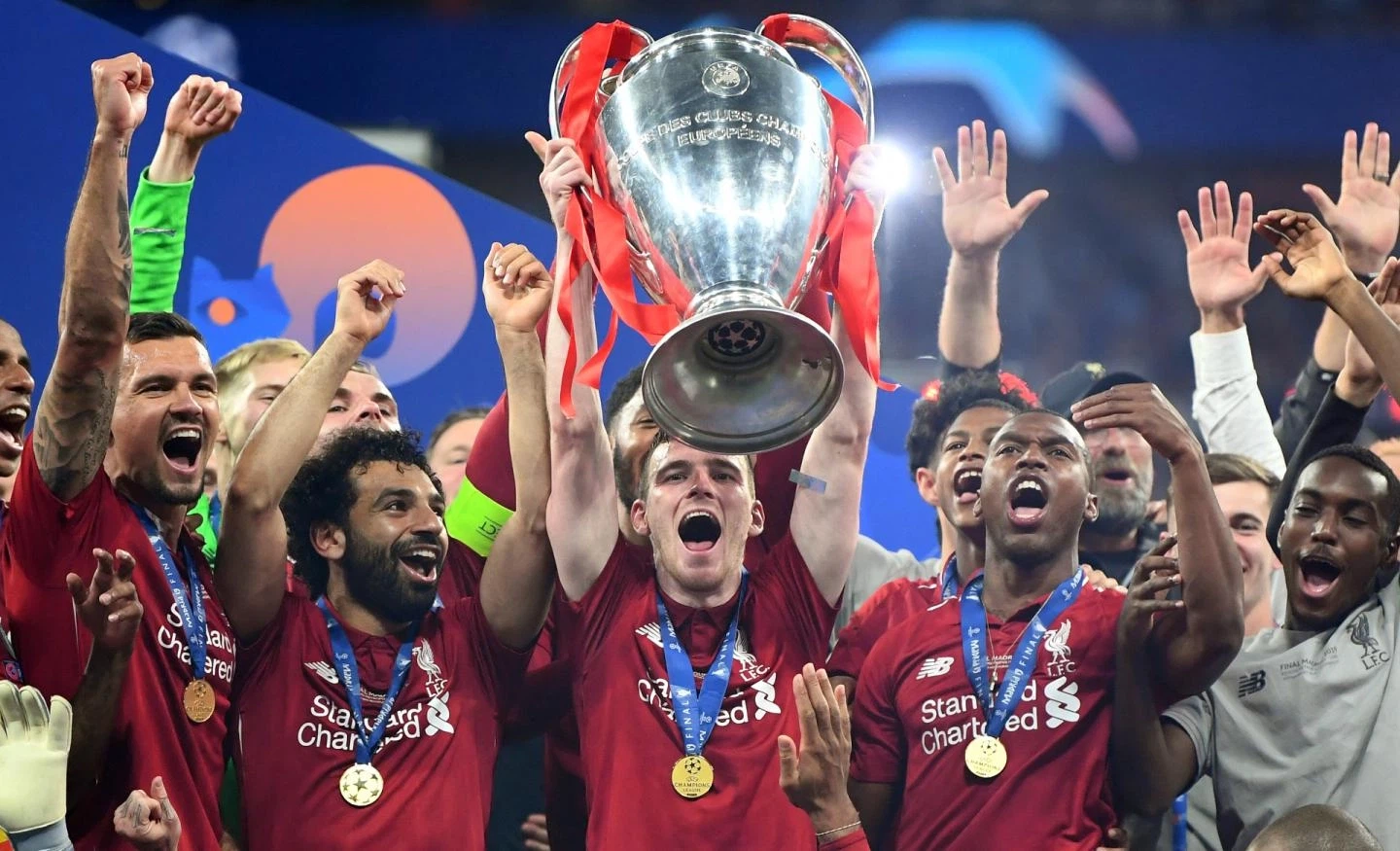
A Legacy of Famous Matches and Trophies
Liverpool's success is measured in "Silverware." As of 2026, the club's honors list is staggering:
· 19 English League Titles: A record of sustained excellence.
· 6 European Cups (UEFA Champions League): The most of any British club, earning them the right to keep a permanent trophy.
· 8 FA Cups and 10 League Cups.
Iconic Nights at Anfield
While the club has conquered venues worldwide, Anfield remains the site of its most miraculous feats. The 2019 Champions League semi-final against Barcelona is the gold standard: trailing 3-0 from the first leg, a depleted Liverpool squad won 4-0 at Anfield, a night described by many as the greatest atmosphere in the history of the sport.
Conclusion: This Means More
For the millions of fans across Asia, Africa, the Americas, and Europe, the slogan "This Means More" isn't just marketing-it's the truth. Liverpool FC represents the bridge between a storied past and an ambitious future. Whether it's the historical weight of the Shankly era or the high-octane drama of the modern Premier League, the Reds continue to prove that in football, as in life, you truly will never walk alone.
Author Profile: Guangzhou Smart Sports Industrial Co., Ltd.