

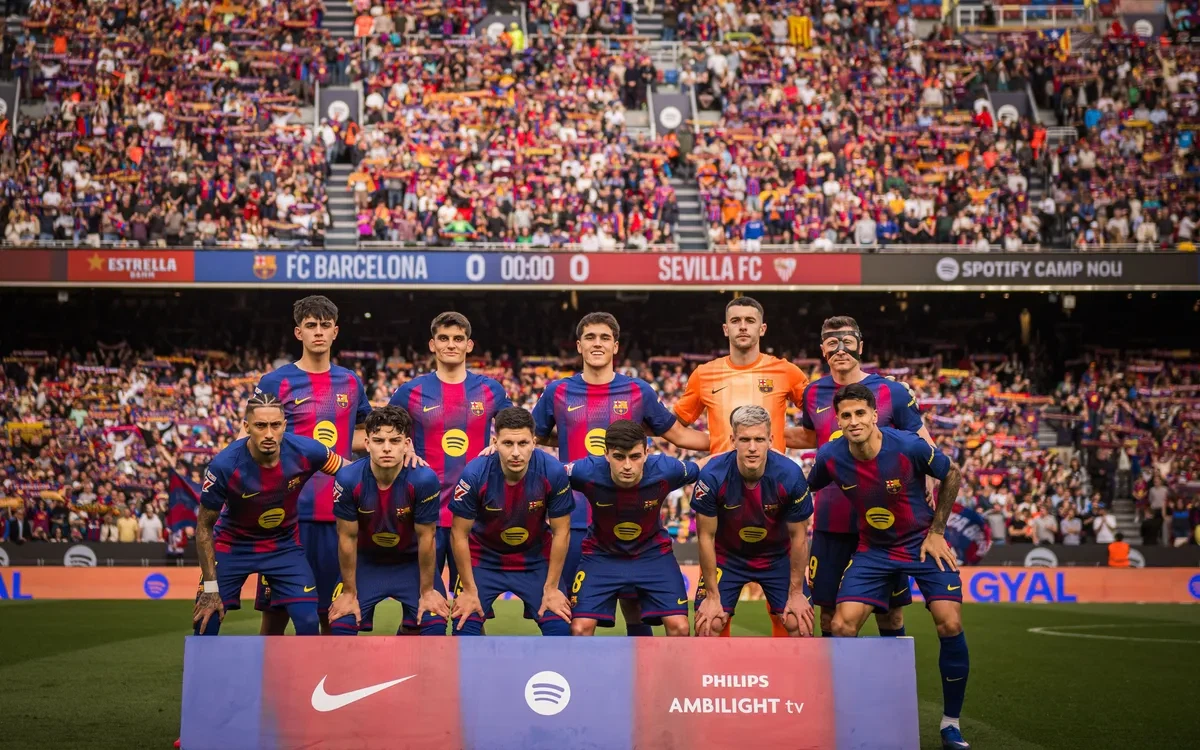
FC Barcelona, or Barça, is far more than a sports organization; it is a global cultural phenomenon. Guided by the iconic motto "Més que un club" (More than a club), it serves as a symbol of Catalan identity while commanding a loyal fanbase of hundreds of millions. Despite navigating a period of significant financial fluctuation, the club has maintained its status as the second most popular football team on the planet. This resilience is fueled by a century of history and a renewed focus on its crown jewel: the youth academy that continues to produce generational talents like Lamine Yamal.
The Historical Foundations: Building a Global Giant
The story of FC Barcelona began in 1899, when Swiss businessman Hans Gamper placed an advertisement in a local newspaper looking for players. From these humble beginnings, the club quickly grew into a pillar of Barcelona's social fabric. However, the club's tactical identity-the reason people watch them today-was forged much later.
The most pivotal moment in Barça's history was the arrival of Johan Cruyff. First as a player in the 1970s and then as the coach of the "Dream Team" in the 1990s, Cruyff introduced the philosophy of Total Football. He didn't just want to win; he wanted to win with aesthetic perfection. To ensure this style lasted forever, he proposed the creation of a centralized youth system. This led to the transformation of La Masia, an 18th-century stone farmhouse, into the world's most famous football laboratory.
The Pillars of Identity: Tiki-Taka and La Masia
To understand Barcelona is to understand its DNA. The club's success is built on two inseparable pillars that distinguish it from the "Galáctico" model of buying superstars.
1. The Art of Tiki-Taka
Barcelona is the global ambassador of possession-based football. This style, known as Tiki-Taka, is characterized by intricate short passing, triangular movement, and high-intensity pressing. The goal is simple: if the opponent doesn't have the ball, they cannot score. Under the management of Pep Guardiola, this philosophy reached its zenith, winning 14 trophies in just four years and producing what many experts call the greatest club side in the history of the sport.
2. La Masia: The Talent Factory
While other clubs spend hundreds of millions on transfers, Barcelona's greatest strength is its ability to "grow" talent. La Masia has produced a lineage of legends including Lionel Messi, Xavi Hernandez, and Andres Iniesta. In 2010, the club achieved a feat unlikely to be repeated: all three finalists for the FIFA Ballon d'Or (the award for the world's best player) were graduates of La Masia.
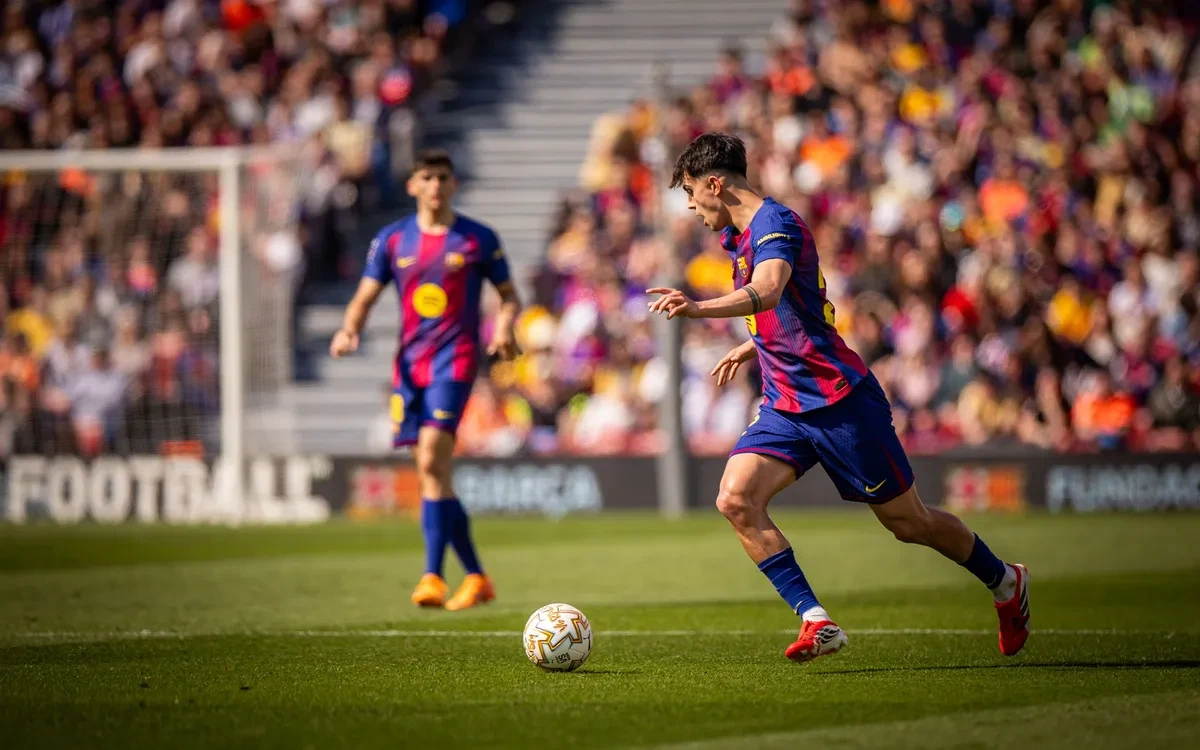
Today, this tradition is experiencing a massive revival. Amidst financial restructuring, the academy has once again saved the club. The emergence of Lamine Yamal-who broke nearly every "youngest player" record in 2023 and 2024-alongside talents like Pau Cubarsí and Gavi, proves that the academy remains the most productive in the world. Yamal's rise is not just a sporting success; it is a marketing miracle that has kept Barça's global jersey sales and social media engagement at the top of the charts.
Iconic Events: A Stage for Football History
The club's home, the Camp Nou, is the largest stadium in Europe and a cathedral of football. Over the decades, it has hosted some of the most significant moments in sports history:
The 1982 FIFA World Cup: The stadium hosted the opening ceremony and several pivotal matches, cementing its status as a world-class venue.
The 1992 Summer Olympics: The Camp Nou was a primary venue for the football tournament, where the Spanish national team claimed the gold medal in front of a home crowd.
The 1999 UEFA Champions League Final: One of the most dramatic nights in football history, where Manchester United scored two goals in injury time to defeat Bayern Munich.
The "Remontada" (2017): Perhaps the most famous night in modern Barça history, where the team overcame a 4-0 first-leg deficit to beat PSG 6-1, a match that remains a masterclass in sporting drama and belief.
Navigating Financial Turbulence and the Future
In recent years, FC Barcelona has faced a well-documented economic crisis. Years of high wages and the impact of the global pandemic led to significant debt. However, the club's response has been a lesson in brand management. By utilizing "economic levers"-selling percentages of future television rights and media wings-the club managed to stabilize its operations.
Furthermore, the Espai Barça project is currently transforming the Camp Nou into a 105,000-seat state-of-the-art facility. This renovation, coupled with a historic naming-rights deal with Spotify, is designed to generate hundreds of millions in annual revenue, ensuring the club can compete with state-owned giants in the modern era.
Conclusion: Why the World Still Watches Barcelona
Despite the ups and downs, FC Barcelona remains a titan because it offers a narrative of hope. Whether it is the artistic beauty of their passing or the romantic story of a 17-year-old kid from the suburbs of Barcelona becoming a global icon, the club provides a sense of belonging.
As they return to a renovated stadium and continue to promote stars from within, the message is clear: the era of the Blaugrana is far from over. For fans and SEO enthusiasts alike, "Barça" remains one of the most searched, discussed, and beloved names in the world of sports.
Author Profile: Guangzhou Smart Sports Industrial Co., Ltd.


