

In the volatile world of modern football, where trophies often dictate relevance, Manchester United stands as a fascinating paradox. While the club's on-pitch performance has seen significant fluctuations in the post-Sir Alex Ferguson era, its commercial engine and cultural "gravity" remain unrivaled. As the most successful brand in Premier League history, Manchester United's influence isn't just about the 90 minutes on the grass; it's about a century of resilience, tragedy, and global dominance.
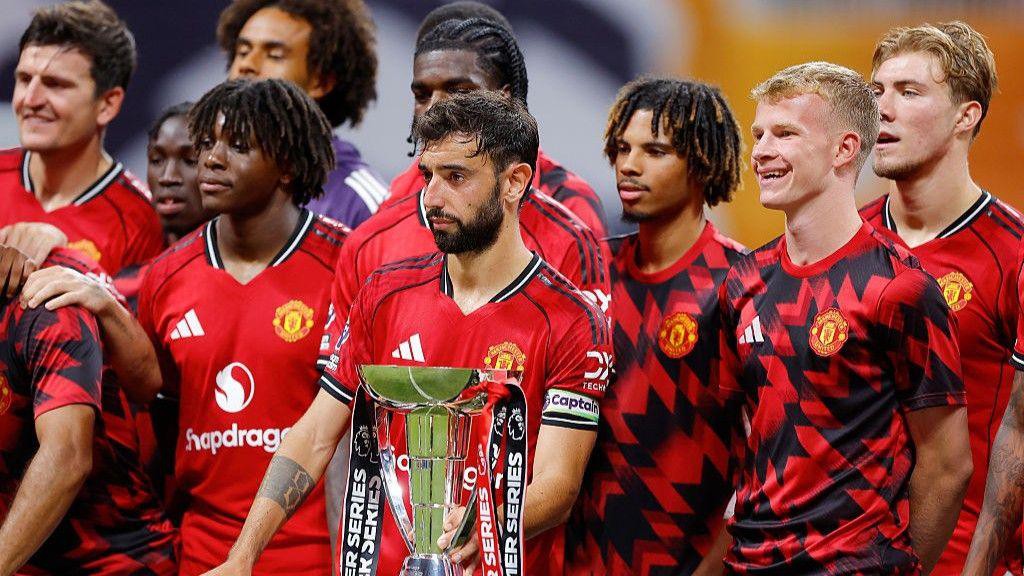
The Foundation: A History Built on Resilience
The story of Manchester United is not one of immediate glitz and glamour. It began in 1878 as Newton Heath LYR Football Club, founded by the Carriage and Wagon department of the Lancashire and Yorkshire Railway depot. The early players were railway workers, competing against other departments and rail companies.
The early years were defined by financial struggle. In 1902, the club was on the brink of bankruptcy with debts exceeding £2,600-a fortune at the time. Legend has it that captain Harry Stafford's St. Bernard dog wandered into the path of a wealthy local brewer, John Henry Davies. This chance encounter led to Davies investing in the club, renaming it Manchester United FC, and adopting the iconic red and white colors we see today.
The Eras of Greatness
The "construction" of the Manchester United identity is defined by two legendary managers:
Sir Matt Busby: Following World War II, Busby revolutionized the club by focusing on youth-the "Busby Babes." Even the 1958 Munich Air Disaster, which tragically claimed the lives of eight players, could not break the club's spirit. Busby rebuilt the team from the ashes to win the European Cup in 1968, cementing the "United Way" of attacking football.
Sir Alex Ferguson: Appointed in 1986, Ferguson turned a struggling side into a trophy-winning machine. Under his 26-year tenure, United won 13 Premier League titles and two UEFA Champions League trophies, establishing a global fanbase that persists today.
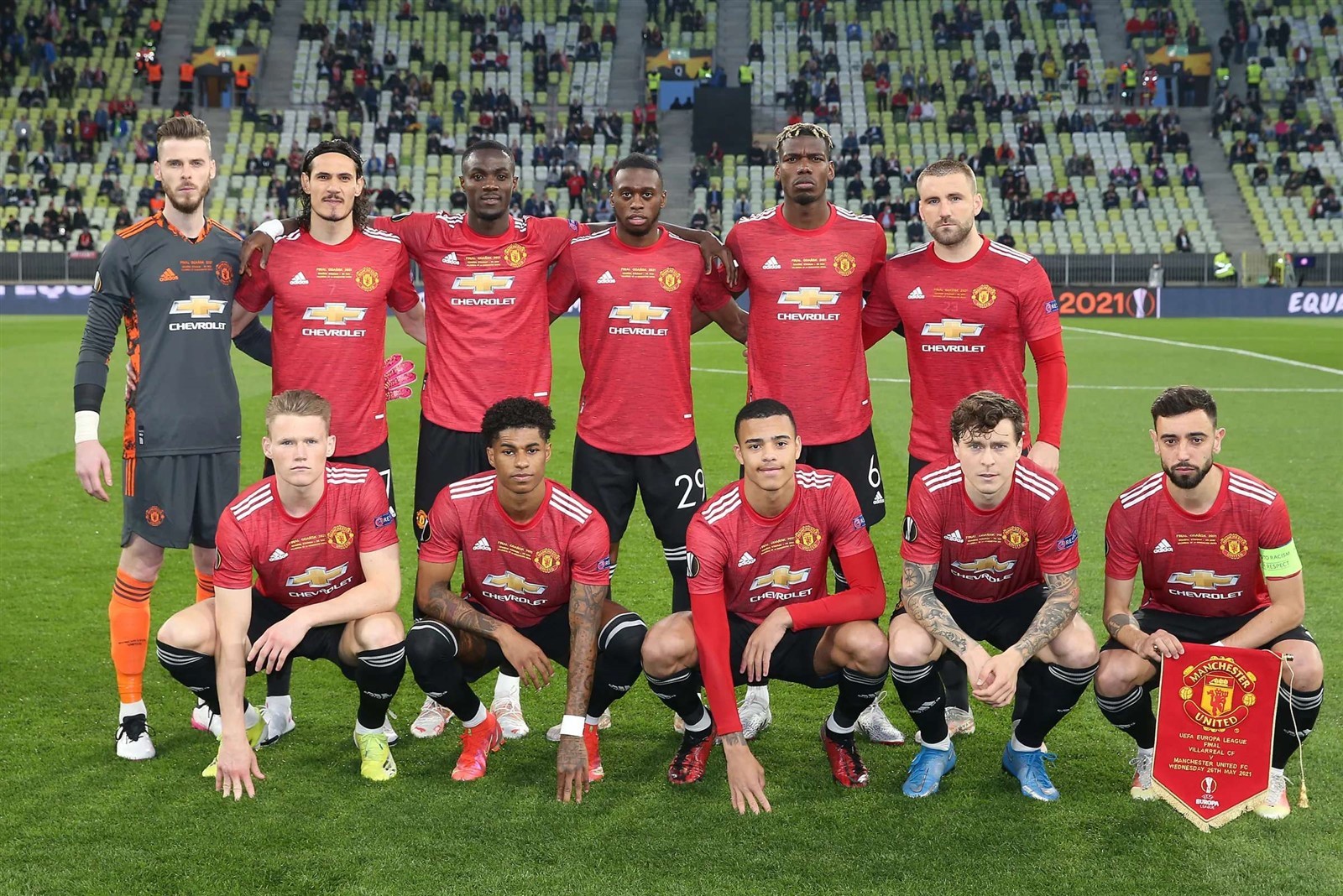
What Defines the Manchester United Brand?
What makes Manchester United the "pinnacle of the pyramid" even when they aren't winning the league? It comes down to three specific characteristics:
1. The Mythos of the No. 7 Jersey
In football, no shirt carries more weight than the Manchester United Number 7. It is a symbol of flair, leadership, and occasional rebellion. From the charismatic George Best in the 60s to the "King" Eric Cantona, who catalyzed the 90s dominance, the jersey represents the club's soul. David Beckham turned it into a global fashion brand, and Cristiano Ronaldo elevated it to a level of athletic perfection. This lineage creates a narrative that fans and sponsors find irresistible.
2. Unparalleled Commercial Reach
Manchester United was the first club to truly treat football as a global commercial enterprise. By venturing into markets like Asia and North America in the 1990s, they built a sponsorship model that rivals any Fortune 500 company.
Revenue Power: Even during periods of "rebuilding," the club consistently ranks in the top tier of the Deloitte Football Money League.

Old Trafford: The Theatre of Dreams
No discussion of Manchester United is complete without mentioning its iconic home: Old Trafford. Located in Greater Manchester, it has been the club's home since 1910.
A Stadium of Stories
With a capacity of approximately 74,000, it is the largest club stadium in the UK. Legendary manager Sir Bobby Charlton famously dubbed it "The Theatre of Dreams." The stadium's layout is a pilgrimage site for fans:
The Stretford End: The West Stand, traditionally home to the loudest and most die-hard supporters.
The Sir Alex Ferguson Stand: The largest stand, renamed in 2011 to honor the manager's 25 years at the club.
The Munich Clock: A permanent memorial to those lost in the 1958 air crash, serving as a reminder of the club's resilience.
Interestingly, during World War II, Old Trafford was heavily bombed by the Luftwaffe. From 1941 to 1949, United had to play their home games at Maine Road, the stadium of their rivals, Manchester City.
Sponsorship Deals: Their kit deals are historic; for instance, the partnership with Adidas is worth a staggering £900 million over ten years, the largest in Premier League history. This financial "bulletproof" nature ensures they can always attract top-tier talent.
3. Youth, Courage, and Success
The club's DNA is built on the integration of academy products. Since October 1937, Manchester United has included at least one homegrown player in every single matchday squad-a streak spanning over 4,000 games.
Iconic Events Hosted at the Theatre of Dreams
Old Trafford is not just a fortress for the Red Devils; it is a premier venue for world-class sporting events. Some of the most notable include:
1966 FIFA World Cup: Hosted three group-stage matches during England's only World Cup-winning campaign.
2003 UEFA Champions League Final: A tactical masterclass between AC Milan and Juventus, cementing the ground's elite status.
2012 Olympic Football: The stadium hosted nine matches during the London Olympics, including the semi-finals.
Rugby League World Cup Finals: It is a recurring venue for the Rugby League Super League Grand Final and hosted the World Cup finals in 2000, 2013, and 2022.
Conclusion: The Enduring Legacy
While the Premier League landscape has become increasingly competitive with the rise of "state-funded" clubs, Manchester United's status as a cultural and commercial titan remains intact. The club's history-marked by profound tragedy and soaring triumphs-has created a bond with its global audience that transcends mere results on a Sunday afternoon.
As they navigate the modern era, the foundation laid at Newton Heath and the dreams realized at Old Trafford ensure that the "Red Devils" will always remain at the summit of global sports culture. For a Manchester United fan, it is never just about a game; it is about being part of a century-old legacy of greatness.
Author Profile: Guangzhou Smart Sports Industrial Co., Ltd.


