Stadium Overview and Key Facts
|
Item |
Details |
|---|---|
|
Stadium name |
BetWright Stadium |
|
Traditional name |
Brisbane Road |
|
Country |
England |
|
City |
Leyton, London |
|
Home club |
Leyton Orient FC |
|
Opening year |
1937 |
|
Stated capacity |
9,241 spectators (project information supplied) |
|
Floodlighting |
526 lux (supplied specification) |
|
Address |
Brisbane Road, Leyton, London, E10 5NE |
|
Pitch |
Natural grass football pitch |
|
Stadium type |
Four-sided, all-seater football stadium |
Historical and alternative names:
Osborne Road
Brisbane Road
The Matchroom Stadium
The Breyer Group Stadium
The Gaughan Group Stadium
BetWright Stadium
The stadium has retained its traditional Brisbane Road identity despite several commercial naming partnerships. Its current BetWright branding reflects a new sponsorship era.
Construction History and Development Background
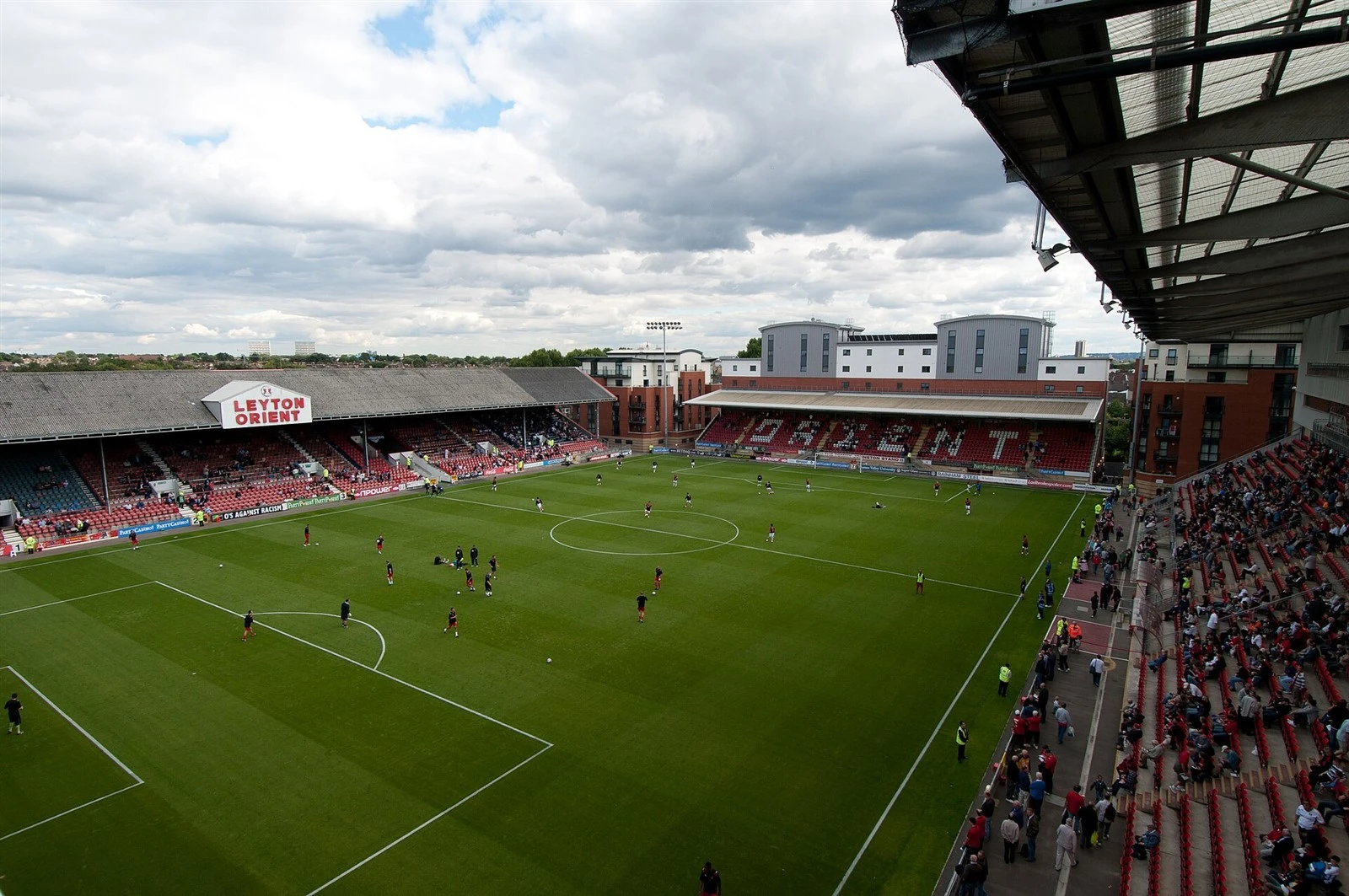
BetWright Stadium has a history dating back to the 1930s. Before Leyton Orient moved there, the site was associated with Leyton FC. Leyton Orient established Brisbane Road as its home ground in 1937, marking an important stage in the club's development in East London.
The stadium was originally a traditional English football ground, with basic spectator facilities, open terraces and relatively small covered seating areas. Rather than being constructed as a complete modern stadium in one phase, it evolved through a series of renovations and expansions.
Its major development milestones include:
1937: Brisbane Road officially became the home of Leyton Orient.
1949: The grass banking was levelled and safety barriers were installed.
1952, 1959 and 1960: Improvements were made to the terracing behind the goals.
1956: The club acquired the steel structure of a stand from Mitcham Stadium and reassembled it at Brisbane Road.
1962: An additional section was added to the main stand, increasing its seating capacity.
1978: The West Stand was converted into an all-seater facility.
1996: The southern terrace was demolished as part of the redevelopment programme.
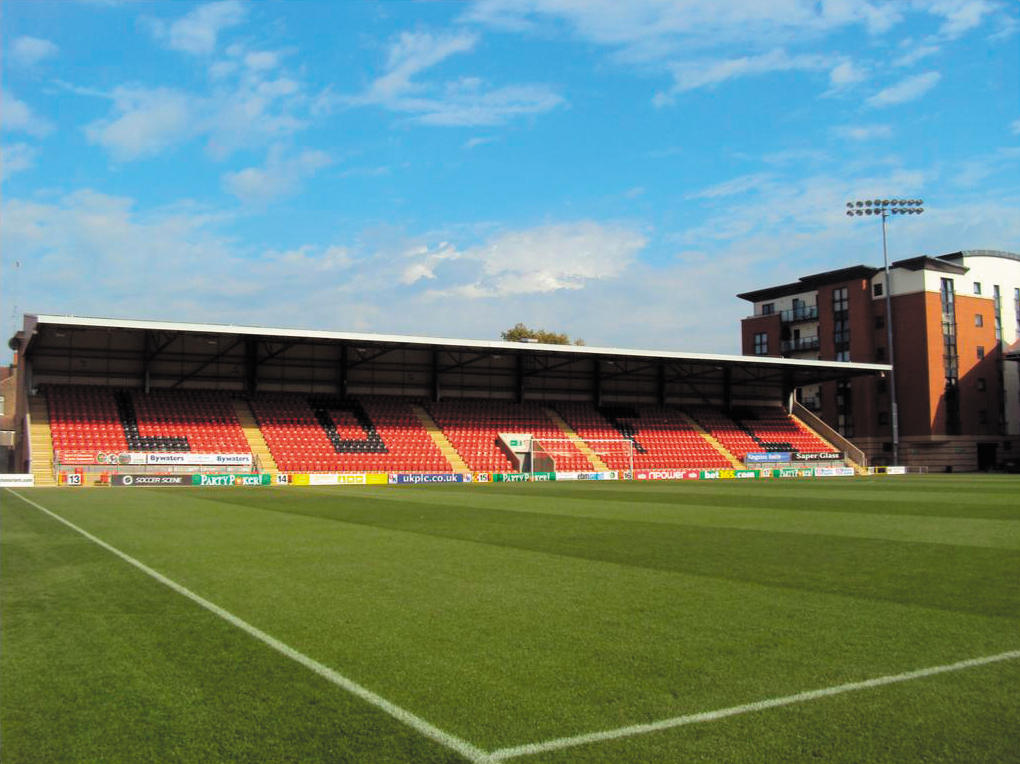
1999: The new South Stand was completed.
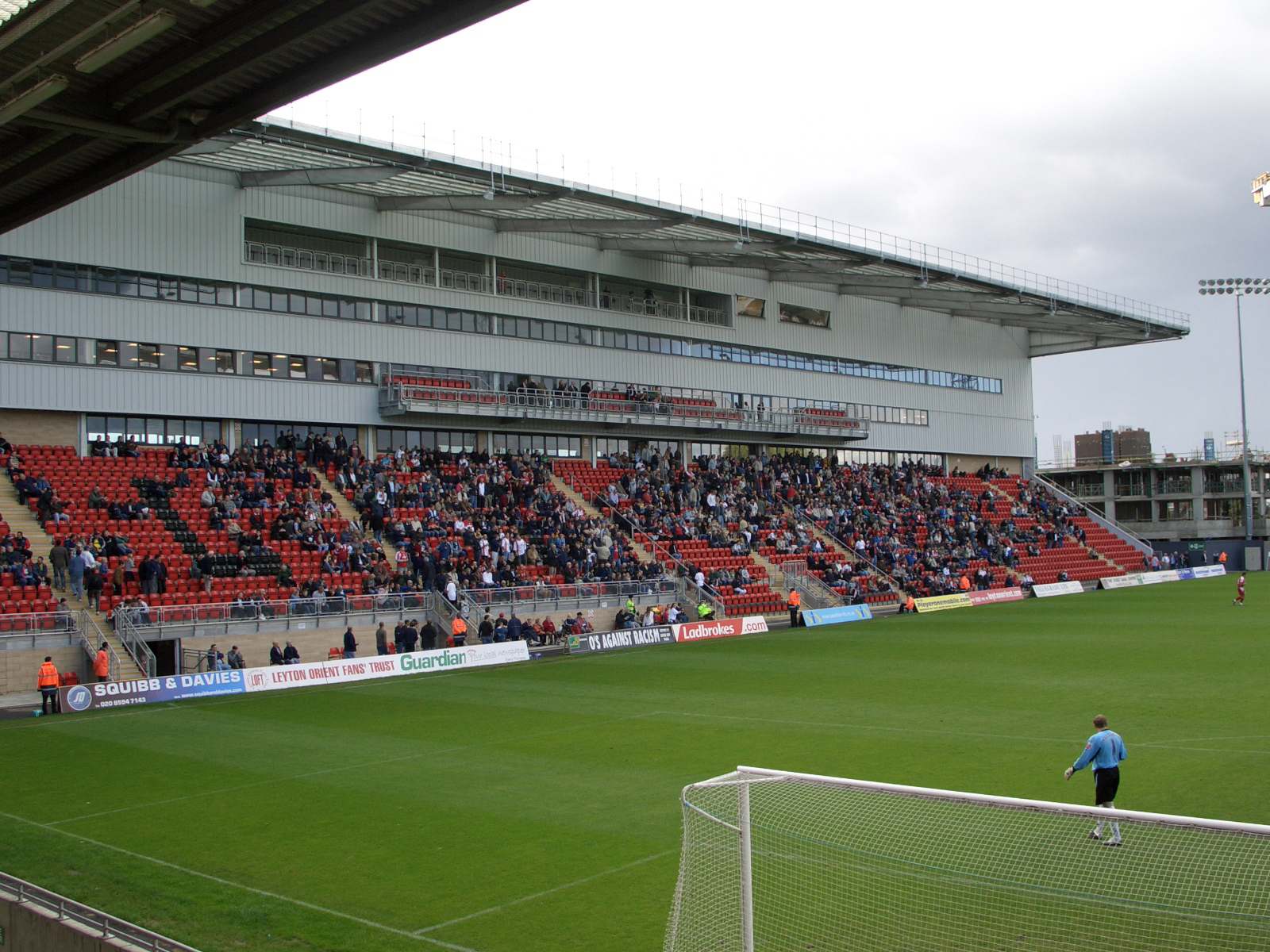
2005–2006: The West Stand underwent major redevelopment.
2007–2008: The North Stand was developed, completing the modern four-stand configuration.
This transformation demonstrates how an established football venue can be upgraded progressively to meet changing spectator expectations, safety requirements and operational needs.
Construction Company and Architectural Design
One important consideration when researching Brisbane Road is that it was developed over several decades rather than delivered as a single new-build stadium project.
Historical public records and stadium references do not reliably identify one original architectural design firm or one principal construction contractor responsible for the entire stadium. Therefore, it would be misleading to attribute the original 1937 stadium or all subsequent renovations to a particular company without documentary evidence.
A distinction should also be made between Brisbane Road's historical development and Leyton Orient's future stadium ambitions. In December 2025, the club announced the appointment of Populous as architect for a proposed new stadium project. This is a separate development and should not be confused with the original Brisbane Road design.
For stadium developers and procurement professionals, this project history is particularly valuable: it illustrates the importance of phased construction, structural adaptation, seating replacement and long-term facility planning.
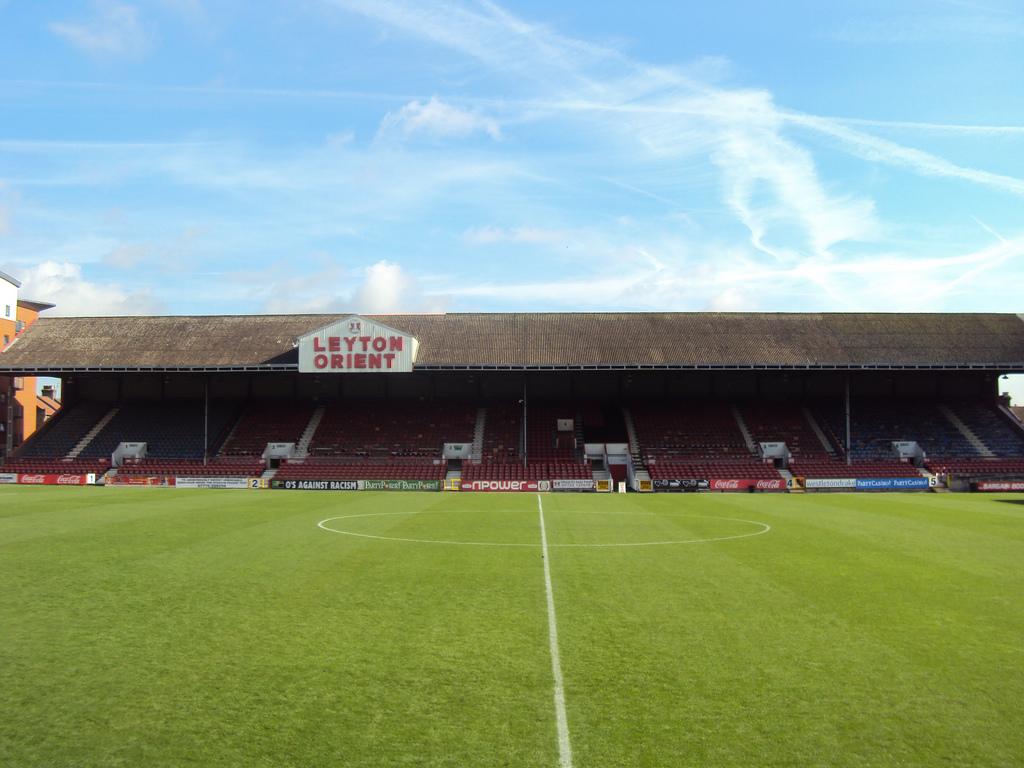
Stadium Capacity and Seating Distribution
The supplied project information gives the stadium a capacity of approximately 9,241 spectators.
Its four-sided arrangement provides separate spectator areas for home supporters, visiting fans and different matchday requirements.
|
Stand |
Supplied capacity |
|---|---|
|
West Stand |
2,918 |
|
East Stand |
3,636 |
|
North Stand |
1,381 |
|
South Stand |
1,336 |
|
Away supporters' section |
1,000 |
Stadium Structure and Architectural Features
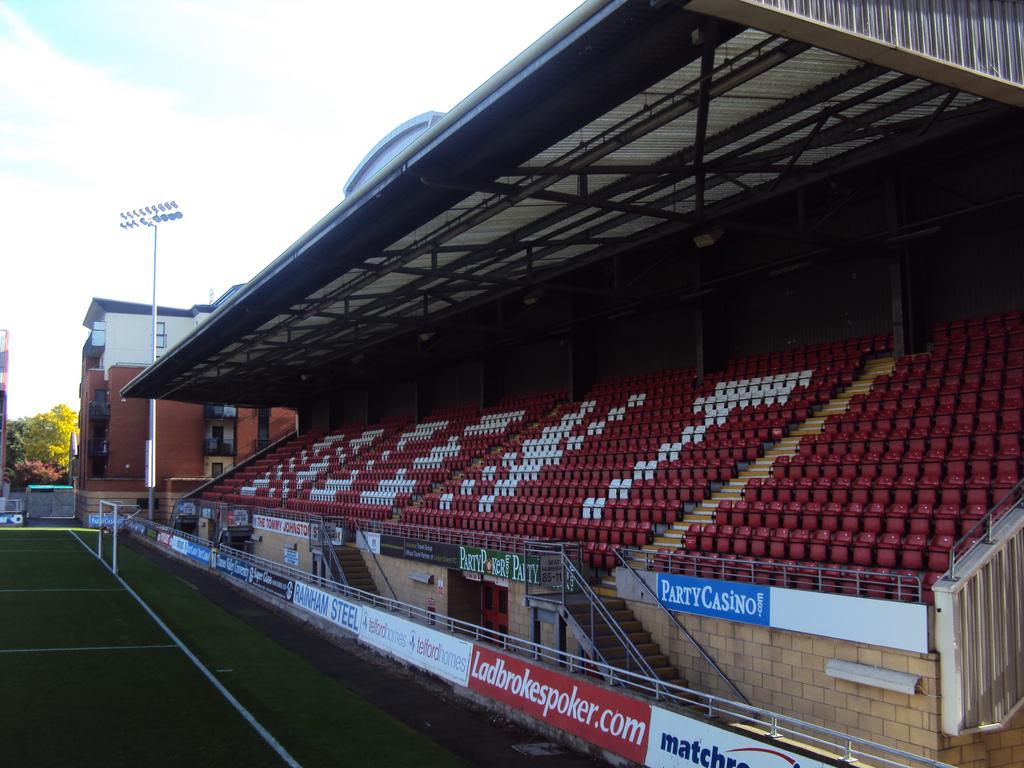
BetWright Stadium follows the traditional English football stadium layout, with four individual stands positioned around a central playing field.
Its main structural characteristics include:
1. Four-Sided Grandstand Configuration
The stadium consists of East, West, North and South Stands. Each stand serves a different spectator function, allowing the venue to organise home supporters, away supporters, family seating and premium hospitality areas.
2. Multi-Functional West Stand
The Justin Edinburgh West Stand is the principal operational stand. In addition to spectator seating, it accommodates changing rooms, club offices, hospitality facilities and media areas. This integration of operational facilities into the grandstand helps maximise the use of limited urban space.
3. Historic East Stand
The East Stand is particularly interesting from an engineering perspective. Its origins include the reuse of structural steelwork from Mitcham Stadium in 1956. This demonstrates the potential for structural reuse and adaptation in sports facility development.
4. Covered All-Seater Stands
The stadium's modern configuration features covered spectator seating, organised access points and dedicated seating allocations. The North and South Stands provide additional capacity behind the goals.
5. Urban Integration
One distinctive feature is the residential development around the stadium corners. Rather than occupying an isolated suburban site, the stadium integrates football facilities with the surrounding urban environment.
These characteristics make Brisbane Road an interesting reference for architects and contractors studying compact stadium design, grandstand redevelopment and the integration of sports infrastructure into densely populated urban areas.
Famous Football Matches and Sporting Events
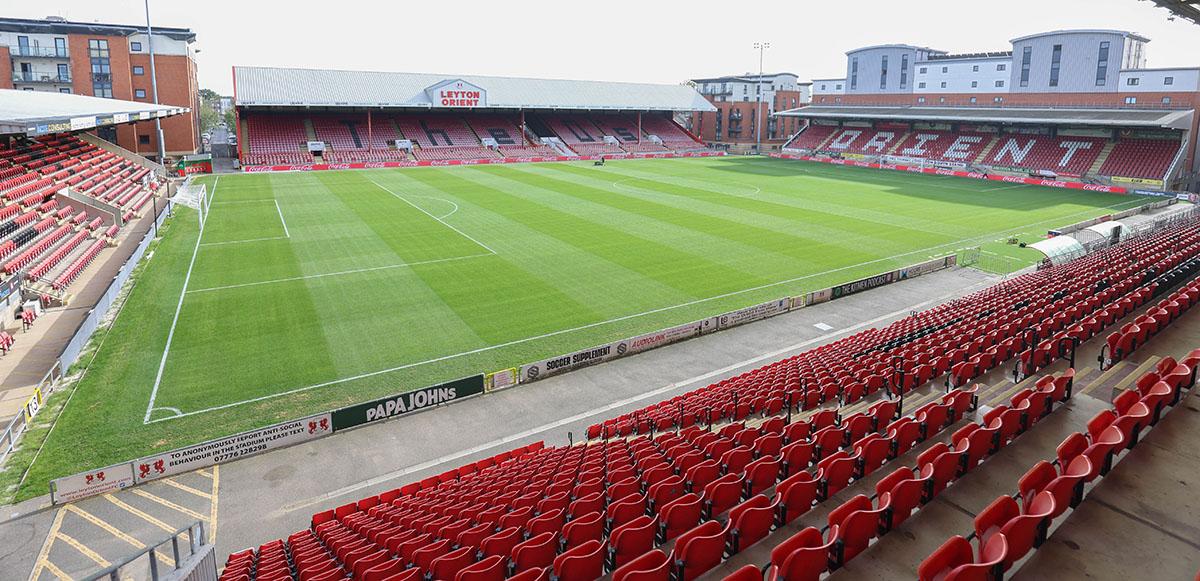
Throughout its history, Brisbane Road has hosted numerous important football matches.
Some of its most memorable sporting moments include:
1964 FA Cup Fourth Round: Leyton Orient faced West Ham United on 25 January 1964. The match attracted a record attendance of 34,345 spectators.
1956 Third Division (South) Title: Leyton Orient secured the championship with a 2–1 victory over Millwall in front of 22,377 spectators.
1962 First Division Promotion: Orient defeated Bury 2–0 on 28 April 1962, securing promotion to the English top flight for the first time.
2011 FA Cup Fifth Round: Leyton Orient welcomed Arsenal, attracting 9,136 spectators, one of the highest attendances in the stadium's modern all-seater era.
2012 NextGen Series Final: Brisbane Road hosted the final of the inaugural NextGen Series, featuring elite European youth football.
2008 Women's Football: The stadium hosted the FA Women's Premier League Cup Final.
These events demonstrate that stadium value is not determined by seating capacity alone. Its sporting heritage, spectator experience and ability to accommodate different competitions also contribute to its long-term significance.
About Leyton Orient Football Club
Founded in 1881, Leyton Orient FC is one of London's historic professional football clubs.
Known affectionately as The O's, the club has developed a strong identity within East London football culture. Its traditional red home colours, passionate supporters and long association with Brisbane Road make it an important part of the local sporting community.
The club's history includes memorable promotions, domestic cup competitions and its return to the English Football League after winning the National League in 2019.
For Leyton Orient, Brisbane Road is more than a football ground. It represents the club's heritage, community connections and long-term ambitions.
SMART GROUP: Your One-Stop Sports Stadium Construction Partner
The development of BetWright Stadium demonstrates how professional stadium infrastructure can combine spectator comfort, structural engineering, operational functionality and long-term investment value.
For stadium construction companies, architectural design firms, engineering consultants and government sports procurement departments, selecting the right sports facility supplier is essential to project success.
SMART GROUP is a China-based supplier specialising in one-stop comprehensive sports facility solutions for global customers.
We provide integrated services covering design, production, sales and installation, helping clients develop sports venues that meet different project requirements.
Our main product range includes:
Steel structure grandstands and outdoor covered seating systems.
Aluminium grandstands for football fields and outdoor sports facilities.
Stadium seats, including HDPE, folding and upholstered seating.
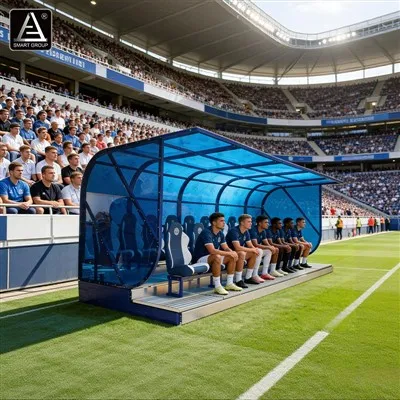
Substitute player benches for professional football stadiums.
Electric retractable bleachers for indoor sports halls and multifunctional venues.
Whether you are planning a new football stadium, upgrading an existing sports venue or developing a government-funded sports infrastructure project, SMART GROUP can provide customised solutions based on your seating capacity, structural requirements, architectural drawings and project budget.
Looking for a reliable stadium grandstand manufacturer in China?
Contact SMART GROUP to discuss your next stadium construction or renovation project. Our professional design team can provide tailored sports facility solutions to help turn your stadium vision into reality.
Author: Global Sports Venue and Facility Solutions
Planning / Design / Manufacturing /Installation.