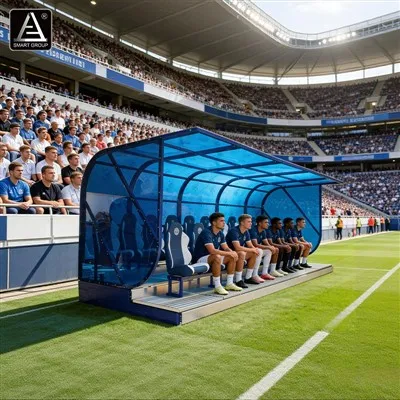
Overview of Bramall Lane Stadium
Located in Sheffield, South Yorkshire, England, Bramall Lane is one of the oldest and most iconic football stadiums in the world. As the home ground of Sheffield United Football Club, the stadium represents more than 160 years of football heritage while continuing to evolve as a modern sports facility.
With a current capacity of approximately 32,050 spectators, Bramall Lane provides seating solutions for different visitor groups, including VIP seats, press seats, and a dedicated away supporter section with around 3,000 seats. The stadium address is Bramall Lane, Sheffield, S2 4SU, England.
Originally opened on 30 April 1855 with a cricket and football match between Sheffield United and Hallam, Bramall Lane has developed from a traditional multi-purpose sports ground into a professional football stadium that meets the requirements of modern sporting events.
For stadium developers, architects, sports facility planners, and government sports infrastructure investors, Bramall Lane provides valuable references in terms of stadium renovation, grandstand upgrading, spectator experience improvement, and long-term venue operation.

Construction History and Development Background
Bramall Lane was initially constructed as a sports ground for cricket and football activities. During the 19th century, Sheffield became one of the important centers for the development of football in England, and Bramall Lane played a significant role in the growth of organized football.
The stadium has undergone several major renovation projects throughout its history, including improvements in:
1966
1975
1991
1994
1996
2006
These renovation programs focused on increasing spectator safety, improving seating facilities, upgrading hospitality areas, and adapting the stadium to modern football regulations.
The stadium's record attendance reached 68,287 spectators during the match between Sheffield United and Leeds United on 15 February 1936, demonstrating its historical importance as a major football venue in England.

Stadium Design and Construction Information
Due to its long development history, Bramall Lane was not built by a single modern stadium construction company. Instead, the venue has experienced multiple phases of redevelopment involving different engineering teams, architects, and specialist contractors over more than a century.
The most significant modern redevelopment works were carried out through phased stadium improvement projects, focusing on upgrading grandstand structures, spectator circulation systems, hospitality facilities, and safety standards.
The stadium follows the traditional English football stadium design concept, featuring several independent grandstands surrounding the pitch. Its architecture combines historic stadium character with modern football infrastructure requirements.
The main seating structures include:
· The Kop Stand – one of the most famous stands at Bramall Lane, known for creating an intense atmosphere.
· South Stand – a modern stand providing premium hospitality areas, media facilities, and upgraded spectator services.
· John Street Stand – an important seating area with excellent views of the pitch.
· Bramall Lane Stand – accommodating supporters and various stadium facilities.
The grandstand system mainly consists of steel structural frameworks combined with concrete foundations and modern spectator seating systems. The design reflects the common approach of English football stadiums, where steel structures provide flexibility for expansion, renovation, and long-term maintenance.

Stadium Capacity and Key Features
Bramall Lane can accommodate approximately 32,050 spectators, making it a medium-sized professional football stadium suitable for league matches, cup competitions, and international sporting events.
Key features include:
· Professional football pitch meeting English football standards
· Modern spectator seating systems
· VIP hospitality areas
· Media and press facilities
· Dedicated away supporter seating
· Improved accessibility facilities
· Commercial and event spaces
One of the most distinctive characteristics of Bramall Lane is the combination of historical heritage and modern functionality. Unlike newly built stadiums, Bramall Lane demonstrates how existing sports venues can be successfully upgraded through phased renovation while preserving their cultural value.
For sports infrastructure investors and stadium designers, Bramall Lane is an example of how renovation strategies can extend the lifecycle of an existing stadium and improve commercial potential.

Famous Events Hosted at Bramall Lane
Throughout its history, Bramall Lane has hosted many important sporting events.
The stadium has been used for:
· Sheffield United FC home matches
· FA Cup and domestic football competitions
· International football matches
· Historical football events during the early development of the sport
As one of England's oldest football grounds, Bramall Lane has witnessed the transformation of football from a local sporting activity into a global professional industry.

About Sheffield United FC
Sheffield United Football Club, commonly known as the Blades, was founded in 1889 and is one of England's historic football clubs.
The club has a proud football tradition and has competed in the English Football League system for more than a century. Sheffield United is recognized for its passionate supporters, strong local identity, and deep connection with the city of Sheffield.
The club's home at Bramall Lane has become an important symbol of Sheffield's sporting culture. The stadium provides not only a venue for football matches but also a community space for local events and sporting activities.

A Reference Project for Global Sports Facility Development
Bramall Lane demonstrates how a historic stadium can maintain its identity while adapting to modern requirements. Its development journey provides valuable inspiration for stadium owners, government sports programs, architects, and construction companies seeking solutions for football stadium renovation and new sports venue planning.
For companies specializing in stadium seating, grandstand systems, sports facility solutions, and turnkey stadium construction, projects like Bramall Lane highlight the importance of durable structures, spectator comfort, safety compliance, and flexible stadium design.
As a professional supplier of integrated sports facility solutions from China, SMART GROUP provides global clients with comprehensive solutions including stadium seats, aluminum bleachers, steel structure grandstands, retractable seating systems, substitute benches, and customized sports infrastructure products.
By combining engineering experience, manufacturing capability, and project execution expertise, SMART GROUP supports football clubs, architects, contractors, and government sports projects worldwide in creating modern, safe, and high-performance sports venues.
Author Profile: SMART GROUP - Global Sports Facility Solution Provider