Elland Road Stadium – The Historic Home of Leeds United FC
Located in Leeds, West Yorkshire, England, Elland Road is one of the most iconic football stadiums in English football history. As the home stadium of Leeds United Football Club, Elland Road has witnessed more than 125 years of football heritage, from historic league victories to unforgettable European nights.
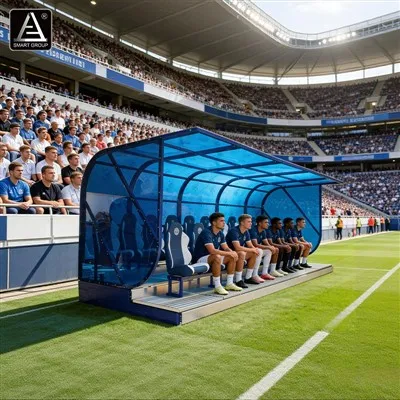
For more than a century, Elland Road has represented the passion, tradition, and ambition of Leeds United and its supporters. As a professional supplier from China specializing in one-stop comprehensive sports facility solutions, SMART GROUP provides global clients with stadium seating systems, grandstands, sports infrastructure, and turnkey solutions designed for modern football venues.

Elland Road Stadium Basic Information

| Item | Details |
|---|---|
| Stadium Name | Elland Road |
| Location | Leeds, England |
| Address | Elland Road, Leeds LS11 0ES, United Kingdom |
| Home Club | Leeds United FC |
| Opening Year | 1898 |
| Capacity | 37,608 spectators |
| Business Seats | 1,388 seats |
| Record Attendance | 57,892 (Leeds United vs Sunderland, FA Cup 5th Round Replay, 15 March 1967) |
| Stadium Type | Football Stadium |
| Surface | Natural Grass Football Pitch |
| Owner | Leeds United Football Club |
| Main Use | Football Matches, Events, Corporate Hospitality |

Construction History and Development Background of Elland Road
· The Birth of Elland Road (1898)
Elland Road was officially opened in 1898, originally built for Leeds City Football Club. The stadium was constructed on land previously used by the Old Peacock Ground, which gave Leeds United its original nickname - "The Peacocks."
When Leeds United FC was founded in 1919 after the dissolution of Leeds City, Elland Road became the club's permanent home. Since then, the stadium has developed together with the club, becoming a symbol of football culture in Yorkshire.
· Stadium Expansion and Renovation History
Over the decades, Elland Road has undergone multiple redevelopment phases to improve spectator comfort, safety, and commercial facilities.
· Major Renovation Periods:
1920s – Early Development
The first major improvements focused on increasing spectator capacity and improving basic facilities.
1950s – Modernization After Fire Damage
A serious fire damaged parts of the stadium in 1956. The affected areas were rebuilt, including improvements to spectator facilities and stadium infrastructure.
1970s – European Football Era Expansion
During Leeds United's golden era under manager Don Revie, the stadium was upgraded to support larger crowds and European competitions.
1990s – Conversion to All-Seater Stadium
Following the Taylor Report after the Hillsborough disaster, English football stadiums were required to become all-seater venues.
Elland Road was extensively renovated during this period:
· Standing terraces were replaced with modern seating areas
· Safety systems were upgraded
· Hospitality areas were expanded
· Accessibility facilities were improved
2000s–Present – Modern Stadium Development
Recent improvements have focused on:
· Corporate hospitality facilities
· Media facilities
· Player facilities
· Stadium safety systems
· Digital infrastructure
· Fan experience improvements
Leeds United continues exploring future expansion plans to increase capacity and enhance the matchday experience.

Architect, Construction Company and Design Information
Unlike many newly built modern stadiums, Elland Road was developed gradually over more than a century through multiple renovation projects rather than being designed by a single architectural company.
Original Construction:
· Year: 1898
· Original Developer: Leeds City Football Club
· Construction Type: Traditional football ground development
Major Modern Redevelopment:
Several architectural and engineering firms have contributed to different renovation phases, including:
· Archial Architects (formerly part of the stadium design team) – involved in stadium redevelopment planning
· KSS Design Group – internationally recognized sports architecture company involved in football stadium and master planning projects in the UK
Various structural engineering and construction contractors participated in individual redevelopment packages
Because Elland Road has evolved continuously, it does not have one single architect like newly constructed stadiums such as Tottenham Hotspur Stadium or Wembley Stadium.

Elland Road Stadium Capacity and Seating Structure
· Total Capacity
Elland Road currently accommodates:
37,608 spectators
Including:
· General admission seating
· Premium hospitality areas
· Corporate business seats: 1,388 seats
· Media and VIP facilities
The stadium provides a traditional English football atmosphere with spectators positioned close to the pitch.
· Elland Road Stand Structure
Elland Road consists of four main stands:
1. East Stand
The East Stand is the largest stand at Elland Road.
Features:
· Multi-level seating structure
· Corporate hospitality areas
· Executive boxes
· Business lounges
· Approximately 17,000 spectator capacity
The stand combines traditional stadium seating with modern commercial facilities.
2. West Stand
The West Stand is one of the oldest sections of the stadium.
Features:
· Main entrance area
· Player facilities
· Media facilities
· VIP hospitality spaces
· Press seating areas
It remains an important operational area of the stadium.
3. Norman Hunter Stand (South Stand)
Named after Leeds United legend Norman Hunter.
Features:
· Dedicated home supporter area
· Strong atmosphere during matches
· Traditional football stand design
· This stand represents the passionate connection between Leeds United and its supporters.
4. Jack Charlton Stand (North Stand)
Named after another Leeds United legend, Jack Charlton.
Features:
· Large seating area
· Home supporter sections
· Excellent pitch visibility
Key Features of Elland Road Stadium
1. Strong Football Heritage
With over 125 years of history, Elland Road is one of England's oldest professional football grounds still in active use.
It has hosted:
· Premier League matches
· UEFA competitions
· FA Cup matches
International football fixtures
2. Close-to-the-Pitch Stadium Design
Unlike many modern bowl-shaped stadiums, Elland Road maintains the traditional English football atmosphere:
· Steep seating arrangement
· Close spectator proximity
· Excellent match atmosphere
· Strong acoustic effect
3. Modern Hospitality Facilities
The stadium provides:
· VIP lounges
· Corporate boxes
· Business seating
· Conference facilities
· Premium dining areas
The 1,388 business seats support commercial operations and matchday hospitality.
4. Future Expansion Potential
Leeds United has long-term ambitions to expand Elland Road toward a capacity exceeding 50,000 seats, creating a larger modern football venue while preserving its historic identity.
Famous Events Hosted at Elland Road
· FA Cup Historic Matches
One of the most famous attendance records occurred on:
15 March 1967
Leeds United vs Sunderland
FA Cup Fifth Round Replay
Attendance:
57,892 spectators
This remains the highest recorded attendance in Elland Road history.
· England International Matches
Elland Road has hosted England national team fixtures, including:
UEFA European Championship matches
International friendly matches
· UEFA Competitions
During Leeds United's successful periods, especially in the 1960s and 1970s, Elland Road hosted:
European Cup matches
UEFA Cup matches
European knockout games
· Rugby League and Other Events
The stadium has also hosted:
Rugby League matches
Charity events
Concerts
Community sporting activities
Leeds United's Football History
Leeds United became one of England's strongest football clubs during the 1960s and 1970s under legendary manager:
· Don Revie Era (1961–1974)
During this golden period, Leeds United achieved:
English First Division Championships
FA Cup victory
League Cup victory
European competition success
The team became famous for:
Strong tactical organization
Defensive discipline
Competitive spirit
· Famous Leeds United Players
The club has produced and attracted many legendary players, including:
Billy Bremner
Norman Hunter
Jack Charlton
Eddie Gray
Johnny Giles
Lucas Radebe
Rio Ferdinand
These players helped establish Leeds United as one of England's most recognized football brands.
SMART GROUP – Your Global Stadium Facility Solution Partner
As a professional sports facility manufacturer from China, SMART GROUP provides complete solutions for football stadium construction, renovation, and upgrading projects worldwide.
Our product solutions include:
· Stadium Seating Solutions
Stadium plastic seats
VIP folding seats
Premium upholstered seats
Business hospitality seating
· Grandstand Solutions
Steel structure grandstands
Aluminum bleachers
Modular stadium seating systems
· Retractable Seating Systems
Electric retractable bleachers
Manual telescopic seating
Indoor sports hall seating solutions
· Complete Sports Facility Solutions
Football stadium seating
Player substitute benches
Locker rooms
Sports lighting systems
LED perimeter displays
Turnkey stadium infrastructure
Building the Future of Football Venues
Elland Road represents the perfect combination of football tradition and modern stadium development. From its historic terraces to its upgraded hospitality facilities, the stadium demonstrates how a football venue can evolve while maintaining its unique identity.
With extensive international project experience and professional manufacturing capabilities, SMART GROUP continues to support stadium owners, football clubs, contractors, and government organizations worldwide with reliable, customized, and cost-effective sports facility solutions.
Author Profile: SMART GROUP - Global Sports Facility Solution Provider