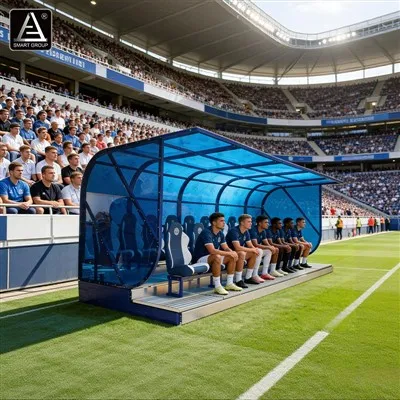
Introduction to Goodison Park
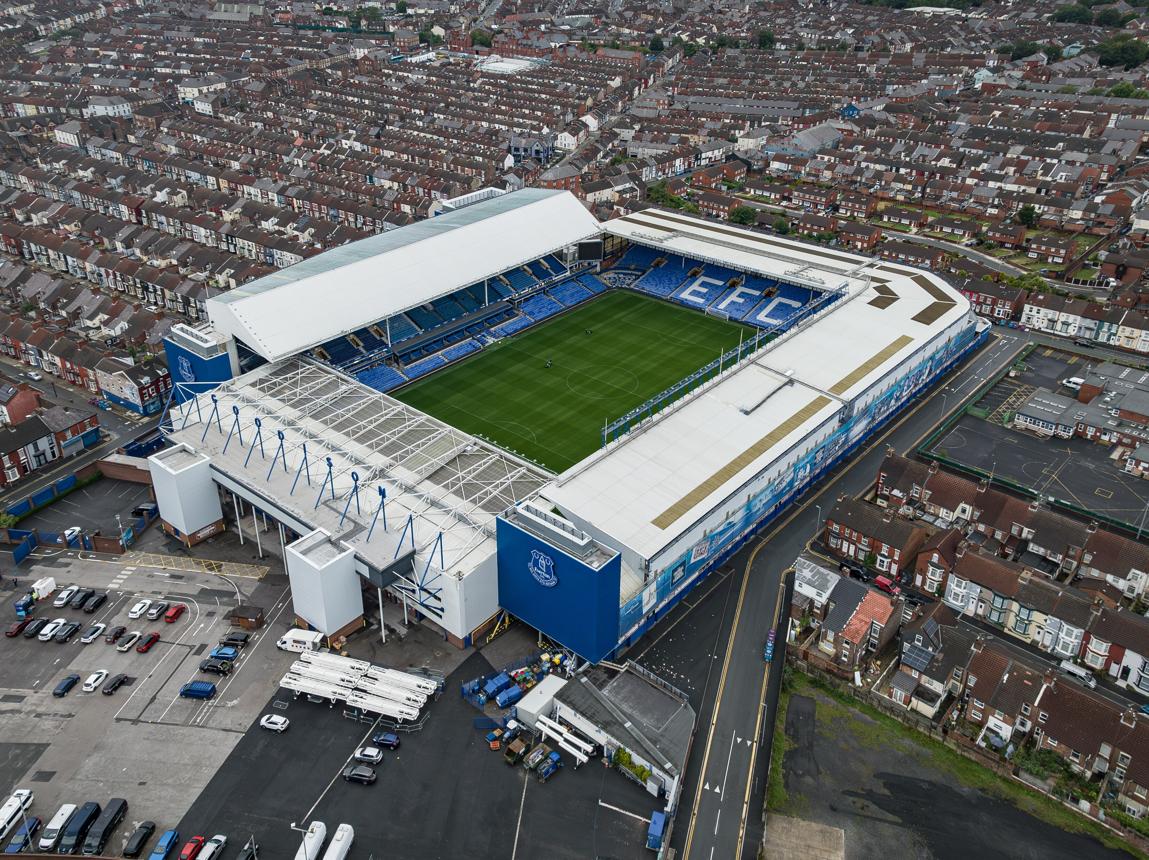
Located in Liverpool, England, Goodison Park is one of the most historically significant football stadiums in English football. Known affectionately as "The Grand Old Lady," the stadium was inaugurated on 24 August 1892 and officially opened to spectators on 2 September 1892, when Everton defeated Bolton Wanderers 4–2.
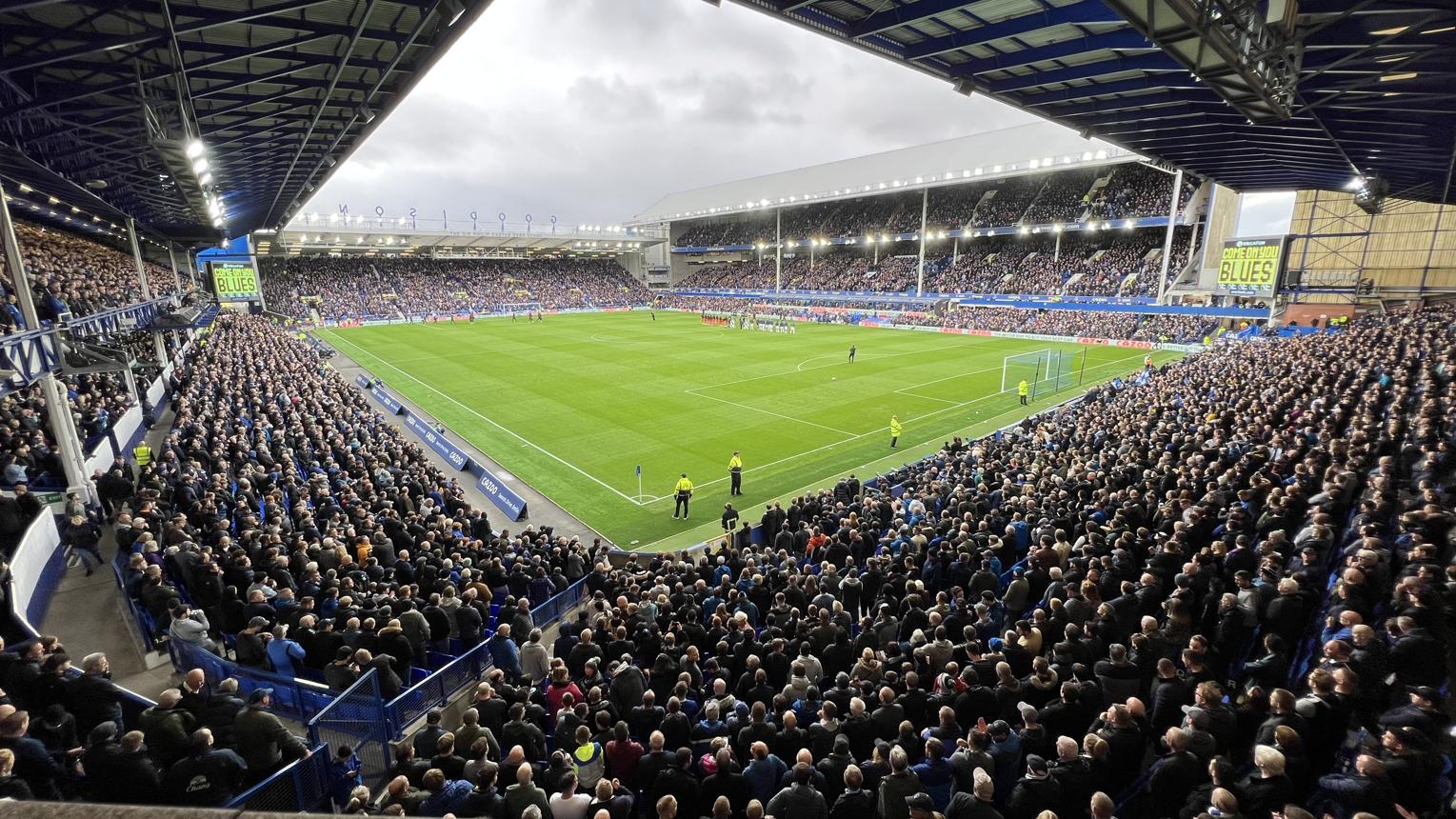
With a historical seating capacity of 39,572, Goodison Park has played an important role in the development of professional football stadiums in England. Its traditional architecture, compact spectator stands and close proximity to the pitch create an intimate matchday atmosphere that has become an important part of its identity.
For stadium developers, architects, construction contractors and government sports infrastructure procurement departments, Goodison Park provides an interesting example of how a historic sports venue can evolve through multiple renovation stages while retaining its architectural character.
Construction History and Architectural Background
Goodison Park was developed in 1892 after Everton Football Club left its previous home at Anfield. The move followed a disagreement over ground rental arrangements, leading the club to establish a new stadium on Goodison Road.
The original construction cost was approximately £1,874, reflecting the scale and building economics of football facilities in the late nineteenth century. At that time, the development of dedicated football grounds was an important step in the professionalization of the sport.
Rather than being constructed as a single modern stadium project, Goodison Park developed through successive expansion and reconstruction phases.
Its major renovation years included 1895, 1906, 1909, 1926, 1957, 1958, 1971, 1988, 1991 and 1994. These projects gradually transformed the original ground into a larger stadium with improved spectator accommodation and facilities.
Architect Archibald Leitch is particularly associated with the historical development of some of Goodison Park's traditional stand architecture, including the Bullens Road Stand. However, the stadium's overall design reflects multiple architects, engineers and construction phases rather than one single design company.
The available historical information does not establish one definitive original construction contractor or a single architectural firm responsible for the entire stadium.
Stadium Capacity and Four-Sided Stand Structure
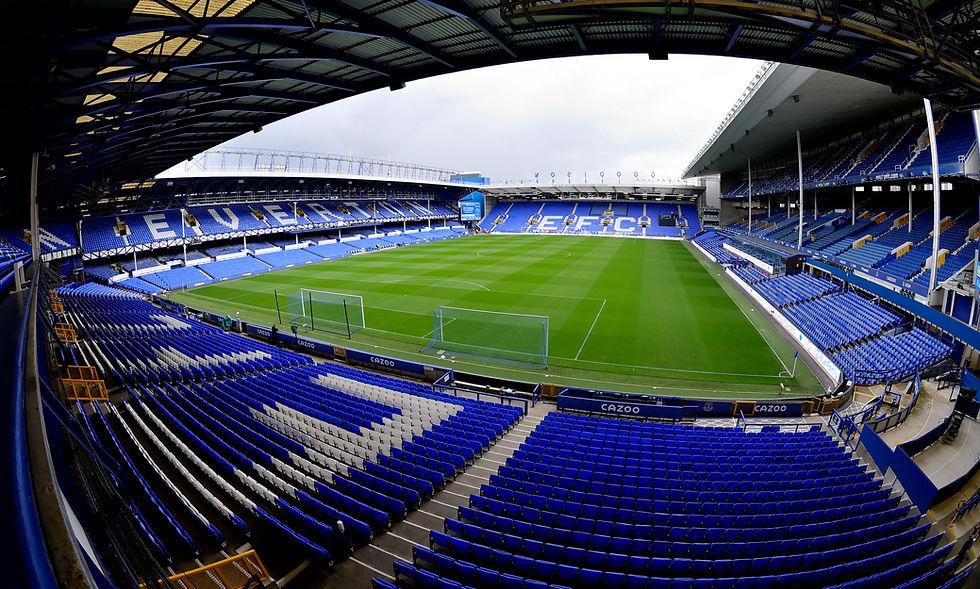
Goodison Park has a listed historical capacity of 39,572 spectators. Its stadium layout follows the traditional English football ground arrangement, with four principal stands surrounding the playing field.
The four main stands are:
● Goodison Road Stand: The main stand provides important spectator accommodation and facilities, reflecting the stadium's later modernization and redevelopment phases.
● Bullens Road Stand: One of the stadium's most recognizable architectural elements, featuring traditional multi-level spectator accommodation and historical structural details.
● Gwladys Street Stand: Known for its passionate home supporters, this stand has played a significant role in creating the stadium's distinctive football atmosphere.
● Park End Stand: Located behind one of the goals, this stand underwent major redevelopment in 1994, improving spectator facilities and seating arrangements.
Unlike many contemporary stadiums designed around large open concourses and expansive bowl structures, Goodison Park features a relatively compact layout with stands positioned close to the pitch.
Its traditional configuration demonstrates how spectator capacity, viewing angles, circulation routes and structural limitations must be considered together when planning football stadiums.
Architectural Features and Stadium Engineering
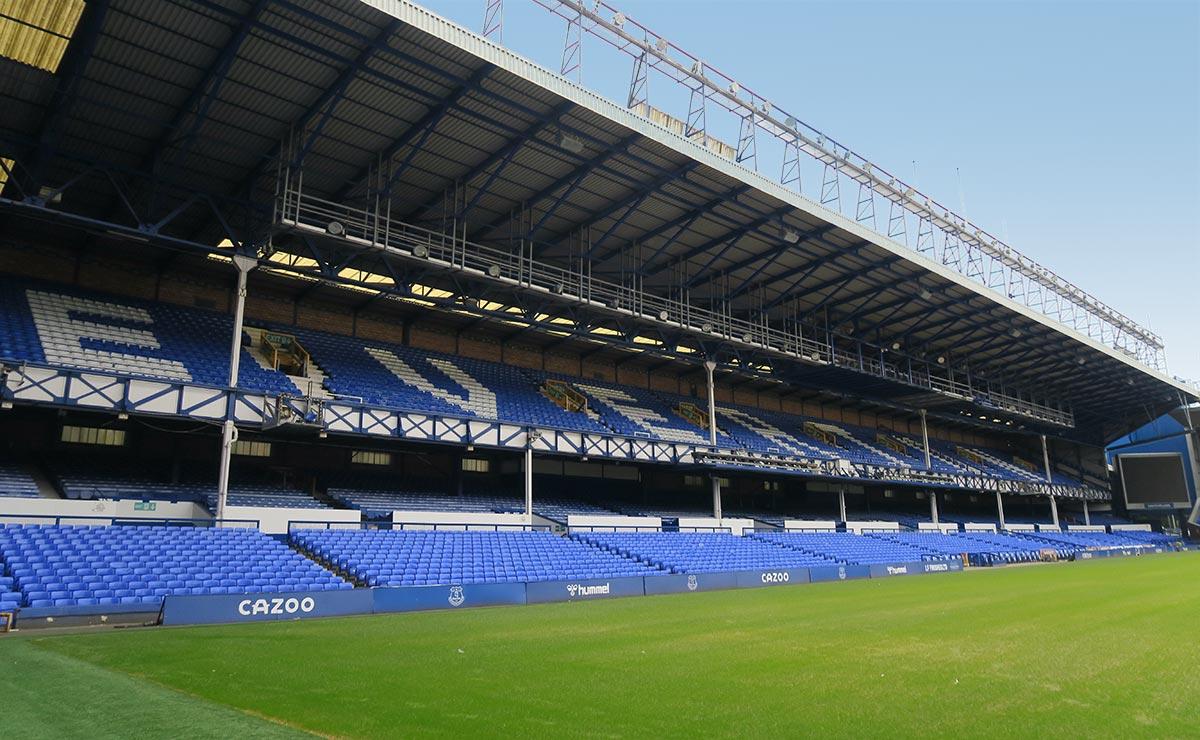
One of Goodison Park's most distinctive characteristics is its traditional English football stadium architecture.
Its four-sided configuration creates a concentrated spectator environment, allowing supporters to remain close to the playing area. The different construction periods also reveal how stadium engineering standards and spectator requirements have changed over more than a century.
Several architectural and engineering considerations make the stadium particularly interesting:
Multi-Level Spectator Seating: The stadium's historical stands demonstrate the use of vertically arranged seating areas to accommodate more spectators within a relatively restricted urban site.
Structural Adaptation: Successive renovations illustrate the challenges of upgrading an existing stadium while maintaining its original layout and historical character.
Sightline Planning: The arrangement of seating rows and stand elevations highlights the importance of maintaining clear views of the football pitch.
Urban Stadium Integration: Located within a densely developed residential area, Goodison Park demonstrates the importance of land utilization, pedestrian access, crowd circulation and surrounding infrastructure in stadium planning.
For modern stadium construction projects, these considerations remain essential when selecting grandstand structures, spectator seating systems, access arrangements and building materials.
Famous Football Events Hosted at Goodison Park
Throughout its history, Goodison Park has hosted numerous important domestic and international football matches.
One of its most significant contributions to international football came during the 1966 FIFA World Cup in England. The stadium hosted several tournament matches, including the famous quarter-final between Portugal and North Korea. Portugal won 5–3 in an exciting match featuring Eusébio.
Goodison Park also hosted matches during UEFA Euro 1996, further demonstrating its suitability for major international football events.
Another historic moment occurred on 18 September 1948, when 78,299 spectators attended the Merseyside derby between Everton and Liverpool. This remains the stadium's record attendance and illustrates the enormous popularity of football in the region.
These events established Goodison Park as an important venue in the history of English and international football.
Everton Football Club: The Team Behind the Stadium
Goodison Park is closely connected with Everton Football Club, one of England's oldest professional football clubs.
Founded in 1878, Everton has a long competitive history in English football, including domestic league championships and FA Cup victories. The club has developed a strong identity within Liverpool and maintains a significant supporter community.
Goodison Park served as Everton's home ground for more than 130 years, making it an important part of the club's sporting and cultural heritage.
Following the men's team's move to the new Hill Dickinson Stadium in 2025, Goodison Park entered a new chapter in its history, with Everton Women associated with the historic venue.
What Stadium Developers Can Learn from Goodison Park
For stadium owners, engineering consultants, architects and public-sector sports project buyers, Goodison Park offers several valuable lessons.
First, stadium capacity must be carefully balanced with available land, structural design and spectator circulation.
Second, grandstand construction requires appropriate structural systems, durable materials, safe seating arrangements and effective evacuation planning.
Third, long-term renovation strategies should consider maintenance accessibility, changing safety regulations and future facility requirements.
Finally, spectator seating, roof structures, accessibility facilities and event infrastructure should be integrated into the overall stadium design rather than treated as independent purchasing decisions.
SMART GROUP: Integrated Sports Facility Solutions
As a China-based supplier specializing in integrated sports facility solutions for global customers, SMART GROUP provides comprehensive services for sports venue development, renovation and upgrading.
Our solutions cover grandstand structures, aluminum alloy bleachers, retractable seating systems, stadium seats, steel structures, sports flooring and other essential sports facility equipment.
From initial project planning and customized design to manufacturing, international delivery and installation guidance, SMART GROUP supports stadium developers, construction contractors, engineering consultants, schools and government procurement departments.
Inspired by historic venues such as Goodison Park, we understand that successful stadium development requires more than spectator capacity. Structural safety, seating comfort, architectural integration, operational efficiency and long-term durability are equally important.
Whether developing a new football stadium or upgrading an existing sports facility, SMART GROUP aims to provide integrated solutions tailored to different project requirements and international markets.
Contact SMART GROUP to discuss your next stadium construction or sports facility renovation project.
Author: Global Sports Venue and Facility Solutions
Planning / Design / Manufacturing /Installation.