In the evolving landscape of global sports architecture, few venues capture the raw, unadulterated soul of traditional English football quite like Kenilworth Road. Home to Luton Town FC for over a century, this historic ground stands as an enduring testament to community integration, architectural grit, and sporting resilience. For stadium constructors, architectural design firms, and government sports project procurement officers worldwide, Kenilworth Road offers a fascinating case study in space optimization, urban zoning, and structural adaptation. As a premier global provider of one-stop comprehensive sports facility solutions, SMART GROUP explores the engineering marvel, historical depth, and modern infrastructure lessons behind this legendary venue.
Historical Background and Structural Evolution
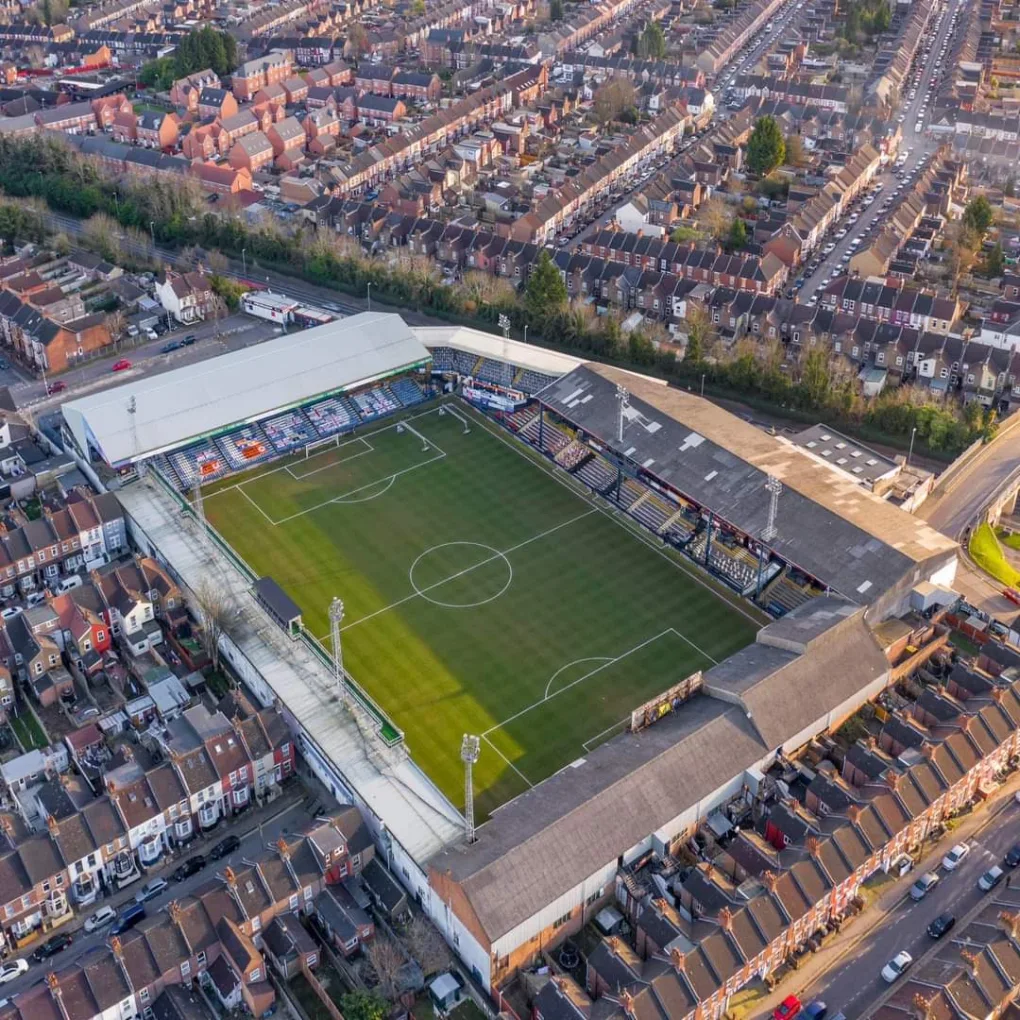
The history of Kenilworth Road is deeply intertwined with the fortunes of Luton Town Football Club, fondly known as "The Hatters." Founded in 1885, the club was forced to relocate from its previous ground at Dunstable Road when the site was sold on short notice for housing development. Demonstrating remarkable resourcefulness, the club's directors procured a new plot in the densely populated Bury Park area of Luton, laying the foundation for a permanent sporting home.
Kenilworth Road was officially inaugurated on September 4, 1905, hosting an opening fixture against Plymouth Argyle that ended in a hard-fought 0-0 draw. Over the decades, the stadium underwent multiple pivotal phases of reconstruction and modernization to keep pace with evolving safety regulations and sporting demands:
1922–23: Following a devastating fire that destroyed the original wooden Main Stand in 1921, a new two-tiered structure was erected, featuring an upper tier with wooden seats and a lower terraced enclosure.
1937 & 1953–54: Incremental stand expansions culminated in the installation of professional floodlights, inaugurated during a memorable friendly against Turkish giants Fenerbahçe, transforming the venue for evening spectacles.
1985–1991: A major £1 million refurbishment saw the introduction of an innovative artificial turf playing surface (a pioneering move in English football during the 1980s) and a phased conversion into an all-seater stadium.
2005 & Beyond: Finalizing structural enhancements to the Kenilworth Stand and making recent temporary upgrades to meet Premier League broadcasting and media criteria.
The stadium's historic record attendance was achieved on March 4, 1959, when an astonishing 30,069 spectators packed into the ground for an FA Cup clash against Blackpool-a stark contrast to modern all-seater capacities, underscoring the evolution of crowd management.

Capacity Breakdown and Unique Stand Architecture
Today, Kenilworth Road features a compact capacity of 12,000, meticulously tailored to maximize every square foot of its tight urban footprint. Key capacity allocations include:
209 Business Seats: Premium executive hospitality and corporate hosting zones.
1,800 Away Section: Dedicated visiting supporter allocation located at the distinctive Oak Road End.
The stadium's architectural layout is celebrated worldwide for its distinct eccentricity, forming an irregular hexagonal configuration tightly wedged between residential terraced housing. Unlike sprawling suburban bowl stadiums, Kenilworth Road comprises five distinct stands:
The Main Stand: Housing player dressing rooms, club offices, television gantries, and historic supporting pillars.
The Bobbers Stand: Featuring a unique row of executive glass-fronted boxes running along the pitch length.
The Oak Road End: Famous for its quirky visitor entrance, where away fans walk through elevated walkways across residential back gardens before taking their seats.
The Kenilworth Stand & David Preece Stand: Providing balanced family seating zones and flat-roofed structural support.

Famous Events and Cultural Impact
While primarily known as the fortress of Luton Town FC, Kenilworth Road has hosted diverse athletic spectacles. Beyond domestic Football League and Premier League fixtures-culminating in Luton's fairy-tale promotion to the top flight-the stadium has staged youth and women's international matches, as well as local sporting exhibitions and boxing bouts during World War I. It stands globally as a monument of old-school football culture, preserving a time when stadiums sat directly at the heartbeat of local neighborhoods.
Club Profile: Luton Town FC
Luton Town FC represents the quintessential English community club. Established in 1885, the club represents a working-class Bedfordshire town with immense pride and fighting spirit. Known for defying the odds, overcoming financial turbulence, and achieving historic promotions against footballing Goliaths, the club's journey mirrors the resilient character of Kenilworth Road itself.
Empowering Global Sports Infrastructure with SMART GROUP
Analyzing icons like Kenilworth Road highlights the perennial challenge faced by sports facility planners, engineering consultants, and government procurement bodies: balancing historical legacy with modern safety, acoustic performance, spectator comfort, and structural efficiency.
As a trusted global industry leader, SMART GROUP empowers governments, stadium constructors, and architectural design firms with turn-key, one-stop sports facility solutions. Whether you are designing a compact urban arena constrained by tight spatial boundaries or a massive multi-purpose stadium, SMART GROUP delivers:
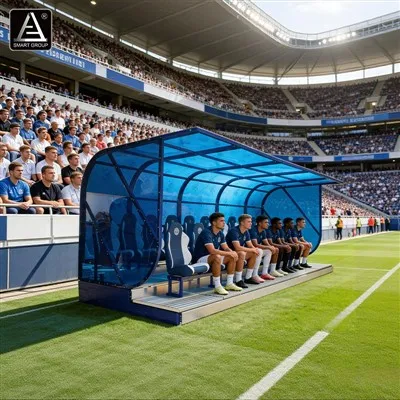
Advanced Modular Seating & Grandstand Systems: Engineered for maximum structural durability, rapid installation, and optimal spectator sightlines.
FIFA-Certified Artificial & Hybrid Turf Systems: Ensuring superior drainage, player safety, and year-round usability across diverse climates.
Smart Stadium Lighting & Architectural Solutions: Cutting-edge LED floodlighting, safety barrier systems, and sustainable infrastructure compliance.
Let SMART GROUP transform your sports venue vision into reality with world-class engineering, precision manufacturing, and unmatched project management expertise. Partner with us to build the legendary sports facilities of tomorrow!
Author Profile: SMART GROUP - Global Sports Facility Solution Provider