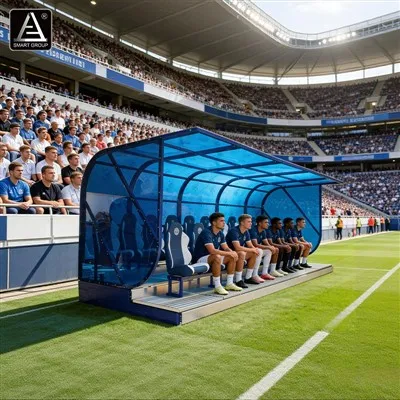
The Stadio Olimpico stands as a titan in the world of sports architecture. Located within the massive Foro Italico sports complex in northern Rome, it is far more than just a football pitch. It is the shared heartbeat of two of Italy's most passionate fanbases-AS Roma and SS Lazio-and a site where global sporting history has been written time and again.
Whether you are a football enthusiast looking for your next stadium tour or a traveler exploring the Eternal City, understanding the Stadio Olimpico is essential to capturing the soul of Italian sport.
The Construction and Historical Background
The origins of the Stadio Olimpico are tied to the ambitious urban planning of the 1920s. Originally known as the Stadio dei Cipressi, construction began in 1927 under the direction of architect Enrico Del Debbio. The project was part of a larger vision to create a monumental sports hub for Italy.
However, the project faced numerous delays due to the onset of World War II. It wasn't until the 1950s that the stadium truly took its modern shape. In preparation for the 1960 Summer Olympics, the venue underwent a massive reconstruction. During this era, it was renamed the Stadio Olimpico, symbolizing its rebirth as a world-class multi-sport facility capable of hosting the finest athletes on the planet.

The Architectural Vision: Design and Engineering
The stadium we see today is the result of two major phases of redevelopment that blended classical aesthetics with modern engineering.
· Designers & Architects: The original 1950s "Olympic" version was led by architects Annibale Vitellozzi, Vito Lanza, and Carlo · Roccatelli. Their design focused on a low-profile concrete structure that wouldn't disrupt the Roman skyline.
· The 1990 Overhaul: For the 1990 FIFA World Cup, the stadium was almost entirely rebuilt. This massive undertaking was handled by the C.O.N.I. (Italian National Olympic Committee) and designed by a team including Annibale Vitellozzi and Maurizio Clerici.
· The Innovative Roof: One of its most defining features is the expansive white tensile roof. Installed for the 1990 World Cup, it is made of Teflon-coated fiberglass. This high-tech canopy was designed to protect fans from the elements while maintaining an "open-air" feeling, supported by a massive ring of steel columns that became a signature of the stadium's silhouette.

Capacity and Fan Culture: How Many Fans Can the Olimpico Hold?
Today, the Stadio Olimpico has a seating capacity of approximately 70,634. This makes it the second-largest stadium in Italy, trailing only the San Siro in Milan.
For domestic matches, the stadium is divided into distinct sections that represent the deep-seated rivalry between its two tenants:
· Curva Sud (South Curve): The ancestral home of the AS Roma ultras. On match days, it is a sea of orange and maroon.
· Curva Nord (North Curve): The stronghold of the SS Lazio faithful, draped in "Biancoceleste" (white and sky blue).
· Tribuna Tevere and Tribuna Monte Mario: The prestigious side stands used for VIPs, media, and families, offering the best views of the pitch.

Key Features and Unique Atmosphere
What makes the Olimpico unique isn't just its size, but its "open" Mediterranean feel. Unlike the steep, vertical "cauldrons" of the Premier League, the Olimpico is characterized by:
The Athletics Track: As a multi-purpose Olympic venue, it retains a running track. While this puts fans further from the action than at a dedicated football stadium, it allows the venue to host the Golden Gala, one of the world's premier track and field meets.
The Foro Italico Setting: The stadium is surrounded by the Stadio dei Marmi, an incredible training ground ringed by 60 massive marble statues of athletes, bridging the gap between ancient Roman aesthetics and modern athletic prowess.
A Venue of Legends: Famous Events
The Stadio Olimpico has a resume that few stadiums in the world can match. It has been the stage for the pinnacle of both football and global athletics.
1. The 1990 FIFA World Cup Final
The crowning glory of the stadium was hosting the 1990 World Cup Final between West Germany and Argentina. A late penalty by Andreas Brehme secured a 1-0 victory for the Germans. The images of Diego Maradona in tears on the Olimpico pitch remain some of the most iconic in sports history.
2. UEFA Champions League Finals
The Olimpico has hosted four European Cup/Champions League finals (1977, 1984, 1996, and 2009). Most notably, in 2009, fans witnessed Pep Guardiola's Barcelona defeat Manchester United 2-0, a match that cemented Lionel Messi's status as a global superstar.
3. Euro 2020 (Held in 2021)
The stadium played a pivotal role in the UEFA Euro 2020 tournament, hosting the opening match between Italy and Turkey. It served as a lucky charm for the "Azzurri," who eventually went on to win the entire tournament.
Visiting the Olimpico: Travel Tips for Fans
If you are planning a visit, the Stadio Olimpico is located in the Prati district. Since there is no metro station directly at the gates, most fans take the Metro Line A to Flaminio, then hop on the No. 2 Tram to Piazza Mancini. Walking across the Ponte Duca d'Aosta bridge toward the stadium at sunset is one of the most beautiful sights in Rome.
Conclusion
The Stadio Olimpico is more than just concrete and steel; it is a monument to Rome's enduring love affair with competition. From the architectural echoes of the 1930s to the high-tech innovations of the 1990s, it remains a "must-visit" landmark. Whether you are there for the thundering noise of a Rome Derby or to walk the hallowed ground of World Cup winners, the Olimpico never fails to inspire.
Author Profile: Guangzhou Smart Sports Industrial Co., Ltd.