The Heart of Argentine Football: The Legacy and Power of River Plate
When you mention "River Plate" in the world of football, you aren't just talking about a club; you are talking about a cultural institution. Known as Los Millonarios, Club Atlético River Plate is a symbol of excellence, elegance, and unyielding passion. Whether you are a die-hard fan or a sports historian, understanding River Plate is essential to understanding the soul of Argentina.
The Foundation: A History Built by the River
The story of River Plate began on May 25, 1901, in the docklands of the La Boca neighborhood in Buenos Aires. The club was formed through the merger of two existing teams: Santa Rosa and La Rosales. Legend has it that the name was inspired by the English translation of the local estuary, the Río de la Plata, after one of the founders saw sailors playing football next to crates marked "River Plate."
While the club started in La Boca-sharing the neighborhood with their eternal rivals, Boca Juniors-River Plate eventually moved to the more affluent northern district of Belgrano in the 1930s. This move, combined with high-profile, expensive player signings like Bernabé Ferreyra, earned them the nickname "Los Millonarios" (The Millionaires). This shift also established the club's identity as an aspirational, high-class organization, contrasting with the more working-class image of their rivals.
Historically, River Plate became synonymous with "La Nuestra," a style of play that emphasized technique, ball control, and flair. This philosophy peaked in the 1940s with the legendary team known as La Máquina (The Machine). This squad, featuring stars like Juan Carlos Muñoz, José Manuel Moreno, Adolfo Pedernera, Ángel Labruna, and Félix Loustau, revolutionized tactics with fluid movement and "total football" concepts long before the term was popularized in Europe.
Defining Characteristics: What Makes River Plate Unique?
What sets River Plate apart from other global giants is a blend of their aesthetic and their relentless pursuit of victory.
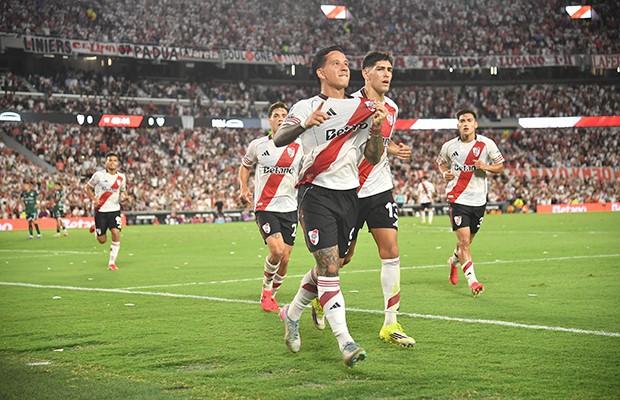
· The Iconic Sash: The club's jersey-white with a diagonal red stripe-is one of the most recognizable in sports. Legend says it was first created when players used a red ribbon from a carnival float to spice up their plain white shirts. It represents a "badge of honor" that players are expected to defend with elegance.
· The Academy (El Semillero): River Plate is world-renowned for its youth academy. They have produced some of the greatest talents in history, including Alfredo Di Stéfano, Hernán Crespo, Pablo Aimar, Radamel Falcao, and Julián Álvarez. The club doesn't just produce players; it produces "River DNA"-technical, intelligent, and composed under pressure.
· The Philosophy: While other teams might focus on "grit," River fans traditionally demand fútbol lírico-lyrical football. Win, yes, but win with style. This high standard often leads to a demanding atmosphere where the crowd will whistle even a winning team if the performance lacks beauty.
The Superclásico: More Than a Rivalry
No discussion of River Plate is complete without the Superclásico against Boca Juniors. Often ranked by international media as the most intense sporting event on the planet, this rivalry is a clash of identities. It is a spectacle of drums, chants, and "confetti storms." For River fans, the Superclásico is about asserting their perceived superiority in skill and class over the "warrior" style of Boca. Every match is a high-stakes drama that dictates the mood of Buenos Aires for weeks.
The Modern Golden Era: The Gallardo Impact
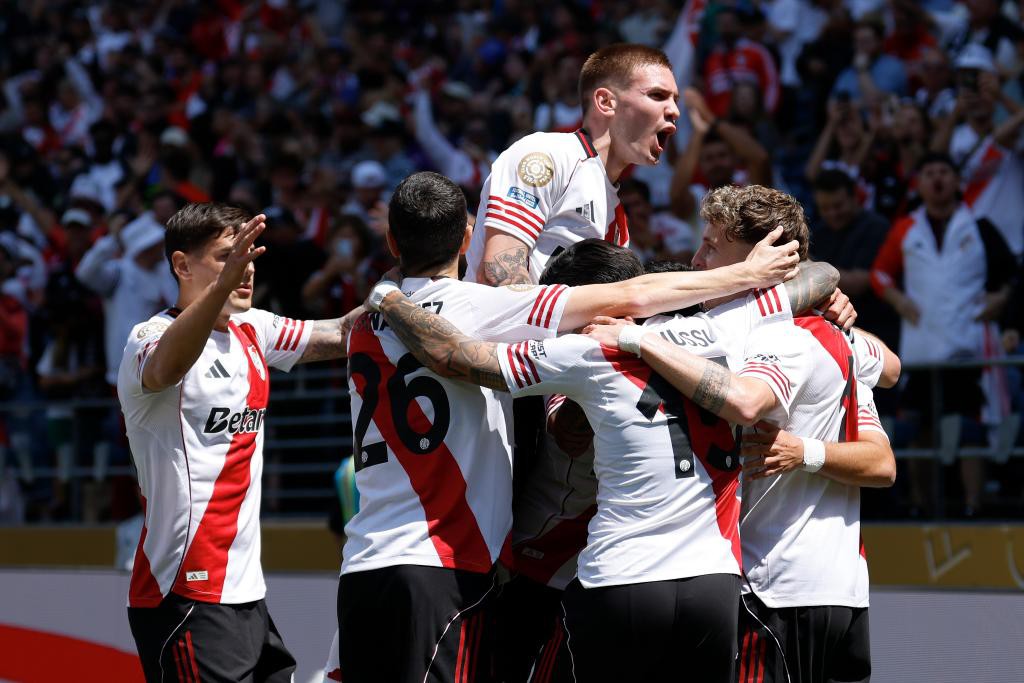
In recent years, the club's history was redefined by Marcelo Gallardo, the most successful manager in River's history. Between 2014 and 2022, "El Muñeco" transformed River into a continental powerhouse. Under his leadership, River Plate won two Copa Libertadores titles, most famously defeating Boca Juniors in the 2018 final. Gallardo's era was defined by high-pressing, tactical flexibility, and an unbreakable mental resilience, proving that the club could combine its traditional "lyrical" style with modern athletic intensity.
The Fortress: Estadio Mâs Monumental
The home of River Plate is the Estadio Mâs Monumental, located in the Núñez neighborhood. Following massive renovations completed in 2023, it is now the largest sporting venue in South America, with a capacity of over 84,500 spectators.
The Monumental is an intimidating cauldron. Unlike many older European stadiums, its massive stands create an amphitheater effect that amplifies the roar of the crowd. The recent upgrades removed the old athletics track, bringing fans closer to the pitch and making the atmosphere even more electric. It serves as the spiritual home of the Argentine National Team, often hosting their most critical qualifying matches.
A Stage for History: Famous Events
The Monumental is often referred to as the "National Stadium" of Argentina because of the historic events it has hosted:
1. The 1978 FIFA World Cup Final: The most significant moment in the stadium's history occurred on June 25, 1978. Argentina defeated the Netherlands $3-1$ in extra time to lift their first-ever World Cup trophy amidst a sea of blue and white.
2. Copa Libertadores Finals: River Plate is a titan of South American football. The Monumental hosted the final legs of their 1986 and 1996 triumphs, where players like Enzo Francescoli became living gods to the fans.
3. The "Final of the Century" (2018): Although the second leg was famously moved to Madrid for security reasons, the tension and cultural impact surrounding this River-Boca final started and ended with the legacy of the Monumental.
Conclusion
River Plate is a blend of aristocratic history and raw, modern passion. From the days of La Máquina to the modern dominance of the 21st century, the club has remained a beacon of South American excellence. For those who value the "beautiful game," River Plate is not just a team-it is the standard by which Argentine football is measured.
Author Profile: Guangzhou Smart Sports Industrial Co., Ltd.