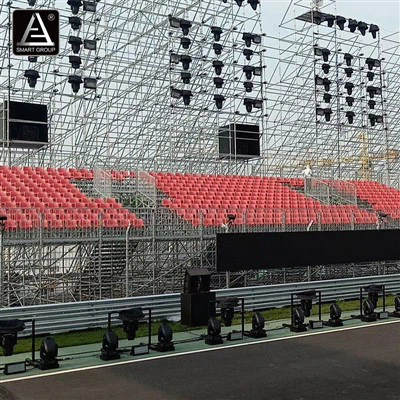
Hey there! As a supplier of telescopic bleachers, I've been getting a lot of questions lately about whether our products are environmentally friendly. It's a hot topic, and rightfully so. We all want to do our part for the planet, so let's dive into this and see how telescopic bleachers stack up in terms of eco - friendliness.


Materials and Manufacturing
First off, let's talk about the materials used in making telescopic bleachers. Most of the high - quality telescopic bleachers on the market, like the ones we offer at our company, are made from steel and aluminum.
Steel is an incredibly durable material. It can last for decades, which means you don't have to replace your bleachers frequently. This long lifespan reduces the overall demand for new materials. According to a study by the World Steel Association, steel is one of the most recycled materials in the world, with a recycling rate of over 80%. So, when the time comes to retire your steel bleachers, a large portion of the material can be recycled into new products.
Aluminum is another common material. It's lightweight, which makes it easier to transport and install. This means less fuel consumption during transportation compared to heavier materials. Aluminum is also highly recyclable. Recycling aluminum requires only about 5% of the energy needed to produce new aluminum from bauxite ore. So, by choosing telescopic bleachers made from aluminum, you're indirectly saving a significant amount of energy.
When it comes to manufacturing, modern production techniques have become much more energy - efficient. Many manufacturers, including us, are constantly looking for ways to reduce waste and energy consumption during the manufacturing process. We use advanced cutting and shaping technologies that minimize scrap material, and we've invested in energy - saving equipment to power our factories.
Energy Efficiency of Operation
Now, let's consider the energy efficiency of operating telescopic bleachers. The motorized options, such as Motorized Retractable Bleachers Seating and Motorized Telescopic Bleacher Seating, are designed to be energy - efficient. These motors are engineered to use only the necessary amount of power to extend and retract the bleachers.
In addition, the ability to retract the bleachers when not in use is a huge environmental plus. When the bleachers are retracted, they take up less space. This can lead to energy savings in large venues, such as stadiums and arenas. For example, in an indoor arena, retracted bleachers allow for better air circulation and more efficient heating and cooling. You don't have to heat or cool the large volume of space occupied by the bleachers when they're not in use.
Reducing the Need for New Construction
Telescopic bleachers can significantly reduce the need for new construction in many cases. Instead of building a permanent grandstand, which requires a large amount of materials and energy for construction, you can install telescopic bleachers. These bleachers can be adjusted to fit different event sizes. For instance, if you have a small - scale event, you can retract the bleachers to free up space. For a larger event, you can extend them to accommodate more spectators.
This flexibility means that venues can make do with existing facilities and avoid the resource - intensive process of building new structures. It's a great way to make the most of the existing infrastructure and reduce the environmental impact of construction projects. You can check out Indoor Auditorium Arena Retractable Bleacher Seating System for an example of how versatile and useful these retractable systems can be.
Long - Term Cost - Effectiveness and Environmental Impact
Telescopic bleachers are also cost - effective in the long run. While the initial investment might be a bit higher than some traditional bleachers, their long lifespan and low maintenance requirements mean that you'll save money over time. This cost - effectiveness has an environmental benefit as well. When venues can afford to invest in high - quality, long - lasting products like telescopic bleachers, they're less likely to replace them frequently. This reduces the demand for new materials and the associated environmental impact of manufacturing and disposal.
Another aspect to consider is the reduced waste generation. Since telescopic bleachers are durable and can be repaired easily in case of minor damages, they produce less waste compared to disposable or short - lived alternatives.
Comparison with Traditional Bleachers
To put things in perspective, let's compare telescopic bleachers with traditional, stationary bleachers. Traditional bleachers are often made from wood, which, if not sourced sustainably, can contribute to deforestation. Wood also has a shorter lifespan compared to steel and aluminum, especially in outdoor environments where it is exposed to the elements.
Wooden bleachers may require regular painting, sealing, and replacement of damaged parts, all of which can involve the use of chemicals and add to the waste stream. On the other hand, telescopic bleachers made from steel and aluminum are more resistant to weathering and require less maintenance.
Stationary bleachers also take up a fixed amount of space, which can limit the functionality of a venue. As mentioned earlier, telescopic bleachers can be retracted, allowing for more flexible use of the space. This can lead to better utilization of the venue and potentially reduce the need for additional construction.
Some Areas for Improvement
Of course, no product is perfect, and there are still areas where telescopic bleachers can be more environmentally friendly. For example, the packaging used for shipping the bleachers could be more eco - friendly. We're currently looking into using more recyclable and biodegradable packaging materials to reduce the amount of waste generated during the shipping process.
Also, while the motors used in motorized bleachers are energy - efficient, there's always room for improvement. We're exploring the use of more renewable energy sources, such as solar power, to operate these motors. This would further reduce the carbon footprint associated with the operation of the bleachers.
Conclusion
In conclusion, telescopic bleachers are a relatively environmentally friendly option for seating in various venues. Their use of recyclable materials, energy - efficient operation, and ability to reduce the need for new construction all contribute to a lower environmental impact. However, there's always room for improvement, and we're committed to making our products even more eco - friendly.
If you're in the market for telescopic bleachers, whether it's Stadium Indoor Gym Telescopic Bleachers Seating I Telescopic Stands or Electric Telescopic Bleachers, we'd love to have a chat with you. We can discuss your specific needs and how our products can not only meet those needs but also help you do your part for the environment.
Get in touch with us to start a conversation about your telescopic bleacher requirements and let's work together to create a more sustainable future.
References
- World Steel Association. (Year). Steel Recycling Facts.
- Report on Energy - Efficient Manufacturing Technologies in the Metal Industry. (Year). Research Institute of Industry.