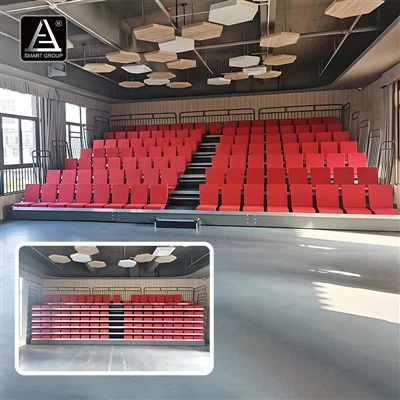
When it comes to providing comfortable and functional seating for large - scale events, bleachers are a popular choice across various settings, including stadiums, arenas, and outdoor event venues. As a bleacher supplier, I've seen firsthand the importance of adhering to fire safety requirements. These requirements are not just bureaucratic red tape; they are crucial for protecting the lives and well - being of the people who use these bleachers.
Overview of Fire Safety Standards
In many countries, fire safety standards for bleachers are set by national and local building codes and regulatory bodies. These standards are designed to reduce the risk of fire, slow the spread of flames if a fire does occur, and provide safe egress routes for spectators.
One of the fundamental aspects of fire safety is the flammability of materials used in bleacher construction. The materials should have a low flammability rating. For instance, steel is an excellent choice as it is non - combustible. It can withstand high temperatures without catching fire, which is a significant advantage in a large - scale gathering situation. On the other hand, plastics and some types of wood may need to be treated with fire - retardant chemicals to meet the required flammability standards.
Flammability Requirements
The flammability requirements for bleachers can be quite detailed. There are tests that materials must pass to demonstrate their fire - resistant properties. For example, the ASTM E84 test is commonly used in the United States. This test measures the surface burning characteristics of building materials. A bleacher material that passes the ASTM E84 test with a low flame spread index and smoke - developed index is considered to meet a certain level of fire safety.
Some suppliers may offer bleachers with custom - made fire - retardant coatings. These coatings can be applied to wooden or plastic components to enhance their fire resistance. When a bleacher is made from a combination of materials, it is essential to ensure that each part complies with the relevant flammability standards. For instance, if the seating surface is plastic, the backrest is wooden, and the framework is steel, all three components must be evaluated independently and as a whole to guarantee overall fire safety.
Fire - Resistant Design Features
Beyond materials, the design of bleachers also plays a key role in fire safety. Adequate spacing between rows of seats is necessary. This spacing allows for easy movement of people in case of an emergency and also helps to prevent the rapid spread of fire. In addition, the design should incorporate clear and unobstructed aisles and exits.
The number and width of exits are determined by the capacity of the bleachers. For example, larger bleachers with a higher seating capacity will need more exits and wider aisles to ensure that people can evacuate quickly. The exits should be clearly marked with illuminated signs that are visible even in low - light or smoky conditions.
Another important design feature is the use of fire - resistant barriers. These barriers can be installed between different sections of the bleachers or between the bleachers and other structures in the venue. They can help to contain the fire and prevent it from spreading to other areas, giving people more time to evacuate safely.
Electrical Systems and Fire Safety
If the bleachers are equipped with electrical systems, such as lighting or sound equipment, strict fire safety requirements apply. The electrical wiring must be installed in a way that minimizes the risk of short - circuits and overheating. All electrical components should be rated for the environment in which they will be used and should meet relevant electrical codes.
Regular inspections of the electrical systems are necessary to ensure that they are in good working order. Any signs of wear, damage, or malfunction should be addressed immediately to prevent electrical fires. In some cases, additional fire - protection measures such as circuit breakers and fire - resistant enclosures may be required for electrical panels and equipment.
Maintenance and Inspection
Fire safety doesn't stop at the construction and installation of bleachers. Regular maintenance and inspections are essential to ensure that the bleachers continue to meet fire safety requirements. Maintenance should include checking for any signs of damage to fire - resistant materials, ensuring that exit signs are working properly, and inspecting the electrical systems.
Inspections by qualified professionals are also a must. These inspections can identify potential fire hazards that may not be obvious to the untrained eye. For example, a small crack in a fire - retardant coating or a loose electrical connection could pose a significant fire risk over time.
Fire Safety in Different Types of Bleachers
As a bleacher supplier, I offer a variety of different types of bleachers, each with its own set of fire safety considerations.
Racetrack Steel Modular Grandstand Bleachers Seating
Racetrack Steel Modular Grandstand Bleachers Seating are often used in high - voltage environments, such as race tracks. The steel construction provides a high level of fire resistance. However, the modular nature of these bleachers means that proper installation and connection of the modules are crucial to maintain their fire - safety integrity. Any gaps or loose connections could potentially allow fire and smoke to spread between modules.
Modular Temporary Grandstand Bleachers Seating
Modular Temporary Grandstand Bleachers Seating are designed for easy setup and removal. Since they are often used for short - term events, it is even more important to ensure that they are quickly and correctly installed in accordance with fire safety standards. These bleachers may be made from a combination of materials, so verifying the compliance of each component is crucial.
Outdoor Temporary Events Grandstand Seating
Outdoor Temporary Events Grandstand Seating face unique fire safety challenges. They are exposed to the elements, which can cause wear and tear on fire - resistant materials. Additionally, outdoor events may involve the use of open flames, such as in food stalls or pyrotechnics displays. Adequate fire - prevention measures, such as fire - breaks and fire - suppression equipment, must be in place to protect the bleachers and the spectators.
Importance of Compliance
Complying with fire safety requirements is not only a legal obligation but also a moral responsibility. A fire in a large - scale event can have devastating consequences, including loss of life, property damage, and long - term reputational damage to the event organizers and the venue.


By ensuring that our bleachers meet all relevant fire safety standards, we are providing our customers with a product that they can trust. This not only protects the people using the bleachers but also gives event organizers peace of mind knowing that they are taking all possible steps to prevent a fire - related disaster.
Contact for Purchase and Consultation
If you are in the market for high - quality bleachers that meet strict fire safety requirements, I encourage you to reach out. Whether you need a small - scale bleacher for a local event or a large - capacity grandstand for a major stadium, we can provide a solution that fits your needs. Our team of experts can assist you in choosing the right type of bleachers, ensuring proper installation, and providing advice on ongoing maintenance to keep your bleachers safe.
We understand that fire safety is a top priority, and we are committed to helping you meet all the necessary requirements. Don't hesitate to contact us for more information or to start a conversation about your bleacher needs.
References
- National Fire Protection Association (NFPA) standards
- Local and national building codes related to fire safety
- ASTM International standards on flammability testing