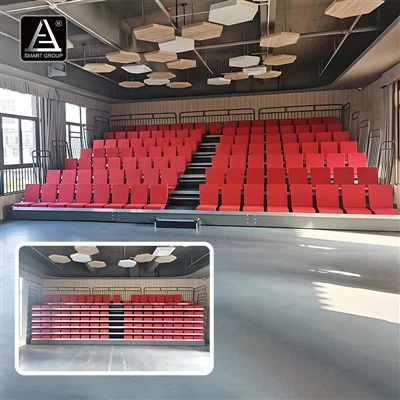
When it comes to large - scale event venues, educational institutions, or sports arenas, telescopic seating is an excellent solution that provides flexibility and maximizes space utilization. As a telescopic seating supplier, I often get asked about the installation cost of telescopic seating. In this blog, I'll delve into the various factors that influence the installation cost and provide you with a comprehensive understanding of what to expect.
Factors Affecting the Installation Cost
1. Seating Capacity
One of the most significant factors determining the installation cost is the seating capacity. The more seats you need, the higher the cost will be. Larger seating capacities require more materials, such as steel frames, seating units, and mechanical components. For example, a small - scale telescopic seating system with a capacity of 100 seats will cost significantly less than a large - scale system with a capacity of 1000 seats. The additional seats mean more labor for installation, as well as more complex engineering to ensure the stability and safety of the entire structure.
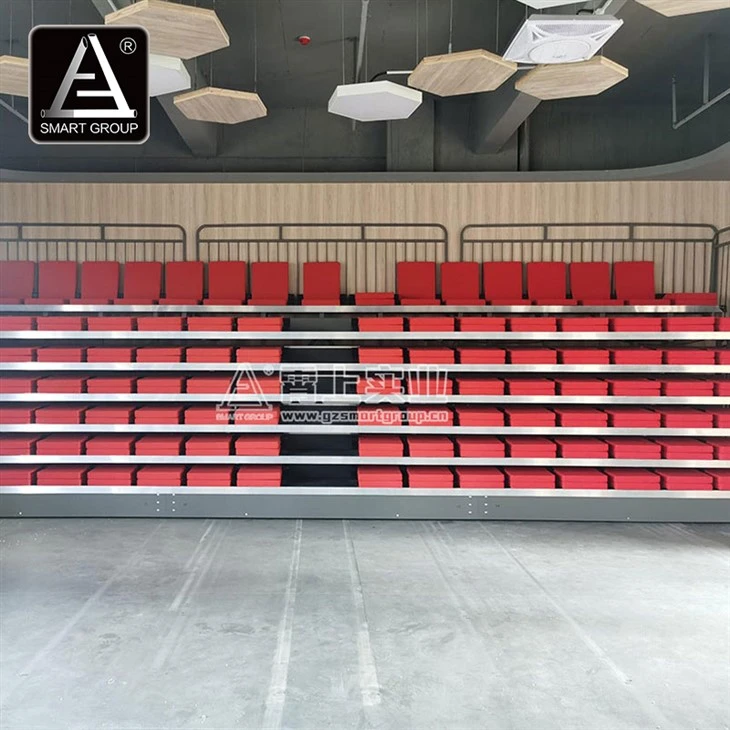

2. Design and Customization
Customized designs can add to the installation cost. If you have specific requirements for the shape, color, or functionality of the telescopic seating, it will likely involve additional design work and specialized manufacturing processes. For instance, if you want a unique curved design for your seating in an auditorium, the manufacturer will need to use special tools and techniques to fabricate the frames and seats. Moreover, custom - colored seats or special upholstery options will also increase the cost. On the other hand, standard designs are generally more cost - effective as they can be mass - produced.
3. Installation Location
The location where the telescopic seating will be installed plays a crucial role in determining the cost. Installing in a simple, open - space venue like a new - built sports hall is relatively straightforward and may cost less. However, if the installation is in a complex environment, such as an old building with limited access or uneven floors, it will require more time and effort. For example, installing telescopic seating in a historical theater may involve additional structural reinforcement to ensure the building can support the weight of the seating. Also, the need to work around existing infrastructure like pipes, electrical systems, and ventilation ducts can increase the labor cost.
4. Type of Telescopic Seating
There are different types of telescopic seating available, such as manual, electric, and hydraulic systems. Manual telescopic seating is generally the most affordable option as it has a simpler mechanism and requires less technology. Electric telescopic seating, which offers more convenience and ease of operation, is more expensive due to the cost of the electrical components and the need for proper wiring and control systems. Electric Telescopic Bleachers are a popular choice for many modern venues but come with a higher price tag. Hydraulic systems, which provide smooth and powerful movement, are also relatively costly due to the complexity of the hydraulic components and the need for regular maintenance.
5. Additional Features
Extra features can significantly impact the installation cost. Features like cup holders, armrests, and storage compartments add to the comfort and functionality of the seating but also increase the material and manufacturing cost. For example, adding cup holders to each seat requires additional molding and assembly work. Moreover, safety features such as anti - slip surfaces, handrails, and emergency exits are essential but can also contribute to the overall cost.
Cost Breakdown
1. Material Cost
The material cost includes the cost of the steel frames, seating units, upholstery, and any other components used in the telescopic seating system. High - quality materials are more expensive but offer better durability and safety. For example, using stainless steel frames instead of regular steel will increase the cost but provide better resistance to corrosion, especially in humid environments. The type of upholstery also affects the cost; leather upholstery is more expensive than fabric.
2. Labor Cost
Labor cost is a significant part of the installation cost. The installation process involves assembling the frames, installing the seats, and connecting the mechanical or electrical components. Skilled laborers are required to ensure the proper installation and alignment of the telescopic seating. The labor cost can vary depending on the location and the complexity of the installation. In areas with a high cost of living, the labor cost will be higher.
3. Transportation Cost
Transporting the telescopic seating from the manufacturing facility to the installation site also incurs a cost. The size and weight of the seating system determine the transportation cost. Larger and heavier systems require more specialized transportation equipment and may need to be shipped in multiple parts, which can increase the cost.
4. Maintenance and Warranty
Although not strictly part of the installation cost, it's important to consider the long - term maintenance and warranty. Some suppliers offer a comprehensive warranty that covers the cost of repairs and replacements for a certain period. However, a longer or more extensive warranty may come with a higher upfront cost. Regular maintenance is also necessary to ensure the proper functioning of the telescopic seating, and the cost of maintenance should be factored into the overall cost.
Examples of Installation Costs
To give you a better idea of the installation cost, here are some rough estimates:
- A small - scale manual telescopic seating system with a capacity of 100 - 200 seats, basic design, and no additional features, installed in a simple venue, may cost around $10,000 - $20,000.
- A medium - scale electric telescopic seating system with a capacity of 500 - 800 seats, some customization, and basic additional features like cup holders, installed in a standard sports hall, may cost around $50,000 - $100,000.
- A large - scale hydraulic telescopic seating system with a capacity of over 1000 seats, high - end customization, and advanced safety features, installed in a complex venue like a large auditorium, may cost upwards of $200,000.
These are just estimates, and the actual cost can vary depending on the specific requirements and circumstances.
Conclusion
The installation cost of telescopic seating is influenced by multiple factors, including seating capacity, design, installation location, type of seating, and additional features. As a telescopic seating supplier, we understand that each project is unique, and we work closely with our clients to provide a customized solution that meets their needs and budget.
If you're considering installing telescopic seating for your venue, we encourage you to Telescopic Seating | Retractable Bleachers | Telescopic Stand to learn more about our products. We also offer Folding School Telescopic Bleachers Grandstand Seats for educational institutions. Our team of experts is ready to assist you with the design, installation, and maintenance of your telescopic seating system. Contact us today to start the procurement process and discuss your specific requirements.
References
- Industry reports on the cost of telescopic seating installation.
- Case studies of previous telescopic seating installation projects.
- Manufacturer's specifications and pricing guides for telescopic seating systems.