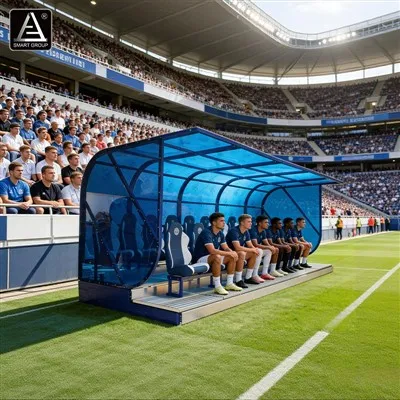
On July 9, 2026, the FIFA World Cup 2026 Quarter-Final match brought football fans around the world to Boston Stadium, USA, where France defeated Morocco 2-0 and secured a place in the World Cup semi-finals. With goals created by Kylian Mbappé's outstanding second-half performance and Ousmane Dembélé's decisive finish, France continued their impressive World Cup journey and reached the semi-finals for the third consecutive tournament.
As a global supplier from China specializing in one-stop sports facility solutions, SMART SPORTS provides professional solutions for football stadium construction, including stadium grandstands, football field facilities, stadium seating systems, roof structures, retractable seating solutions, and complete sports venue infrastructure. Inspired by world-class venues like Boston Stadium, we help clients worldwide build modern football facilities that combine safety, comfort, durability, and spectator experience.
Boston Stadium: A Modern FIFA World Cup Football Venue
Boston Stadium represents the evolution of modern football architecture, combining advanced engineering, large-capacity spectator facilities, and premium matchday experiences. As one of the important venues for FIFA World Cup 2026, the stadium is designed to meet international football competition standards while providing an exceptional environment for players, officials, and fans.
A modern football stadium is not only a place for matches but also a comprehensive sports complex integrating:
· Professional football pitch systems
· Large-scale spectator seating areas
· Steel structure grandstands
· VIP hospitality zones
· Media and broadcasting facilities
· Player changing rooms
· Commercial and entertainment spaces
These elements work together to create a world-class football experience.

The Construction History and Development of Football Stadiums
The history of football stadium construction reflects the development of football itself. Early football grounds were simple open fields with basic spectator areas. As football became a global sport, stadium design gradually evolved from traditional open terraces into sophisticated architectural structures.
Early Football Grounds
In the late 19th and early 20th centuries, football stadiums mainly consisted of natural grass fields surrounded by simple wooden or concrete stands. Capacity was limited, and spectator comfort was not the main consideration.
Modern Stadium Development
With the growth of international competitions such as the FIFA World Cup, stadium construction began focusing on:
· Higher spectator capacity
· Improved safety standards
· Better visibility from every seat
· Weather protection systems
· Advanced structural engineering
Modern stadiums now use advanced materials such as steel structures, aluminum components, high-performance seating systems, and membrane roofing technologies.
Future Football Stadium Trends
Today's football stadiums are moving toward:
· Sustainable construction
· Smart stadium management systems
· Energy-efficient designs
· Digital fan experiences
· Multi-purpose event applications
Venues like Boston Stadium represent this new generation of football architecture.
Boston Stadium Grandstand Structure and Engineering Design
The grandstand structure is one of the most important components of a football stadium. It directly affects spectator safety, seating capacity, viewing experience, and long-term operation costs.
A professional football stadium typically includes:
Steel Structure Grandstand System
· The main supporting structure uses high-strength steel frameworks designed to withstand:
· Large spectator loads
· Wind pressure
· Dynamic movement during events
· Long-term outdoor exposure
Steel structures provide excellent strength, flexibility, and durability, making them ideal for large-capacity stadium projects.
Stadium Seating System
· Modern stadium seating focuses on:
· Comfortable spectator experience
· UV resistance
· Fire safety
· Anti-aging performance
· Easy maintenance
· Common seating solutions include:
· HDPE plastic stadium seats
· PP injection molded seats
· Upholstered VIP folding seats
· Retractable seating systems
SMART SPORTS provides customized stadium seating solutions according to different project requirements.
Roof and Weather Protection System
· Large football stadiums often adopt:
· Steel roof structures
· Membrane roof systems
· Retractable roof solutions
These systems protect spectators from sun and rain while improving the overall architectural appearance.
Boston Stadium Capacity and Spectator Experience
As a FIFA World Cup venue, Boston Stadium is designed with large-scale spectator facilities to accommodate thousands of football fans.
A modern World Cup stadium generally includes:
· Tens of thousands of spectator seats
· Premium VIP seating areas
· Media facilities
· Hospitality lounges
· Player facilities
· Security and emergency systems
The seating layout is carefully designed to ensure:
· Clear sightlines to the pitch
· Comfortable seat spacing
· Safe evacuation routes
· Efficient crowd management
The combination of advanced grandstand engineering and professional seating systems creates an unforgettable match experience for global football audiences.
Building Professional Football Stadiums with Complete Sports Solutions
The success of international football events depends not only on the performance of teams but also on the quality of stadium infrastructure.
SMART SPORTS delivers complete football stadium solutions covering:
Football Stadium Construction Solutions
· Steel structure grandstands
· Aluminum bleachers
· Stadium roofing systems
· Stadium seating solutions
Football Field Facilities
· FIFA-standard artificial turf
· Natural grass field systems
· LED sports lighting
· Digital scoreboard systems
Stadium Supporting Facilities
· Locker rooms
· Player benches
· Media areas
· Commercial spaces
· Fan facilities
From design and manufacturing to installation, we provide professional support for stadium projects worldwide.
Inspired by FIFA World Cup 2026, Creating Future Football Stadiums Worldwide
The France vs Morocco quarter-final at Boston Stadium demonstrated how modern football venues connect athletes, fans, and global sporting culture.
A successful stadium is more than a competition venue-it is a symbol of a city, a gathering place for communities, and a long-term investment in sports development.
With extensive experience in sports infrastructure manufacturing, SMART SPORTS is committed to providing reliable, innovative, and customized solutions for:
· Football stadiums
· School sports facilities
· Training centers
· Professional clubs
· International sporting events
SMART SPORTS - Your Trusted Partner for Complete Sports Facility Solutions.
Author Profile: Guangzhou Smart Sports Industrial Co., Ltd.
One-Stop Supplier Of Sports Court And Facilities