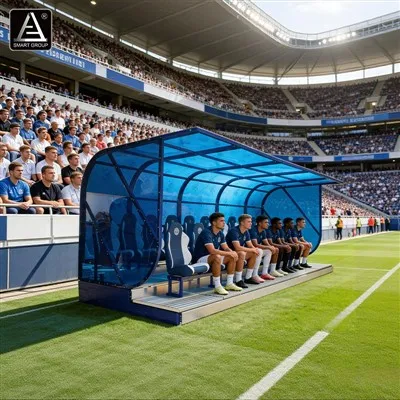
The Future of Sports Infrastructure Starts with Smart Structural Design
The 2026 FIFA World Cup is not only a global football celebration, but also a showcase of advanced stadium engineering.
Unlike previous tournaments, all 16 host venues for FIFA World Cup 2026 are based on existing stadiums upgraded with advanced technologies rather than completely new constructions. This approach reflects a major trend in the sports facility industry: optimizing existing structures while creating safer, more efficient, and more flexible stadium environments.
Behind every world-class stadium is a complex engineering philosophy - how to create large, open spaces without unnecessary obstacles.
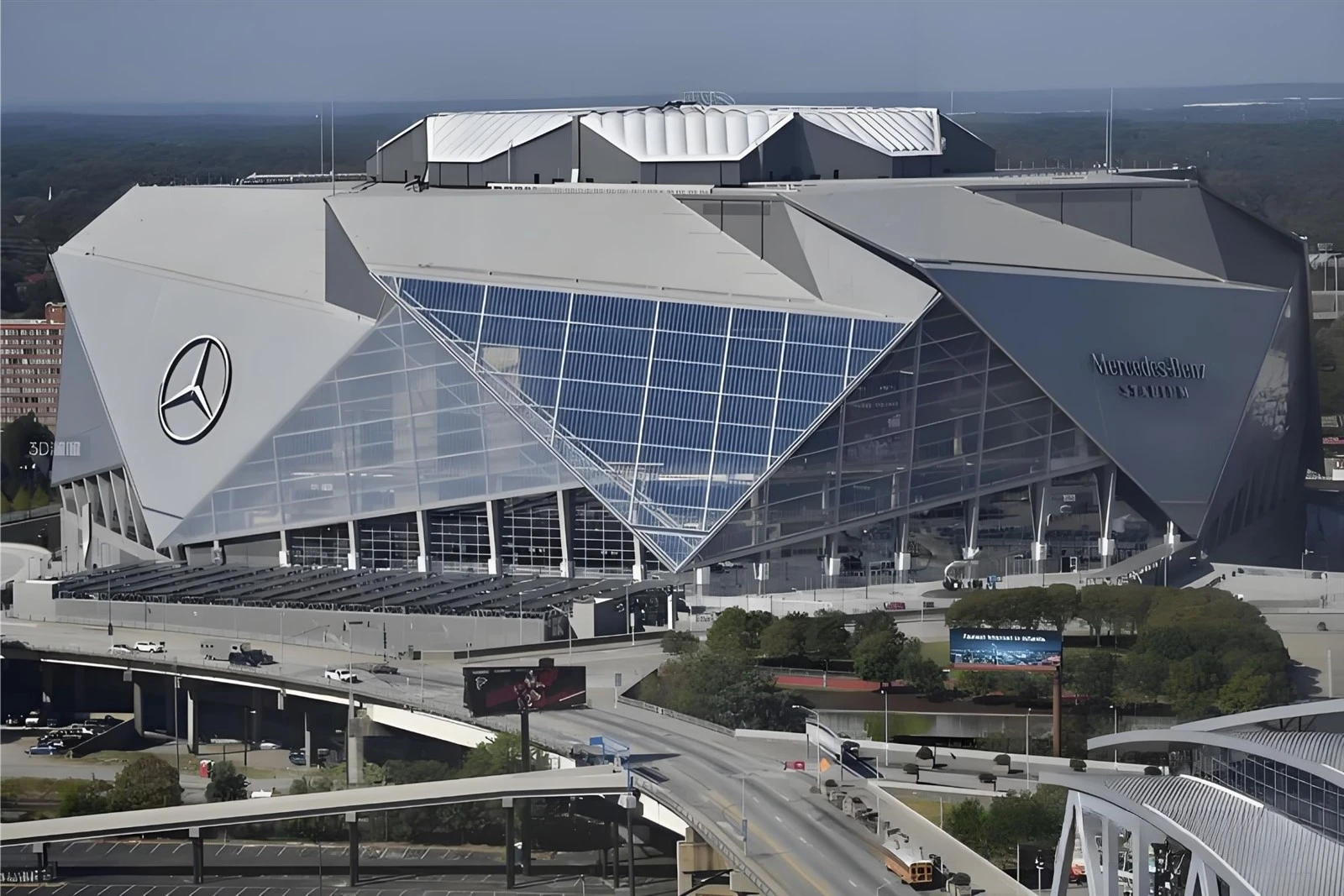
From Dallas AT&T Stadium with its 393-meter steel arches, to Atlanta Mercedes-Benz Stadium with its retractable roof system, to Vancouver BC Place supported by cable structures, these iconic venues demonstrate one core principle:
Great sports architecture is about finding the most efficient path for forces.
The same principle applies to modern stadium seating systems and sports infrastructure.
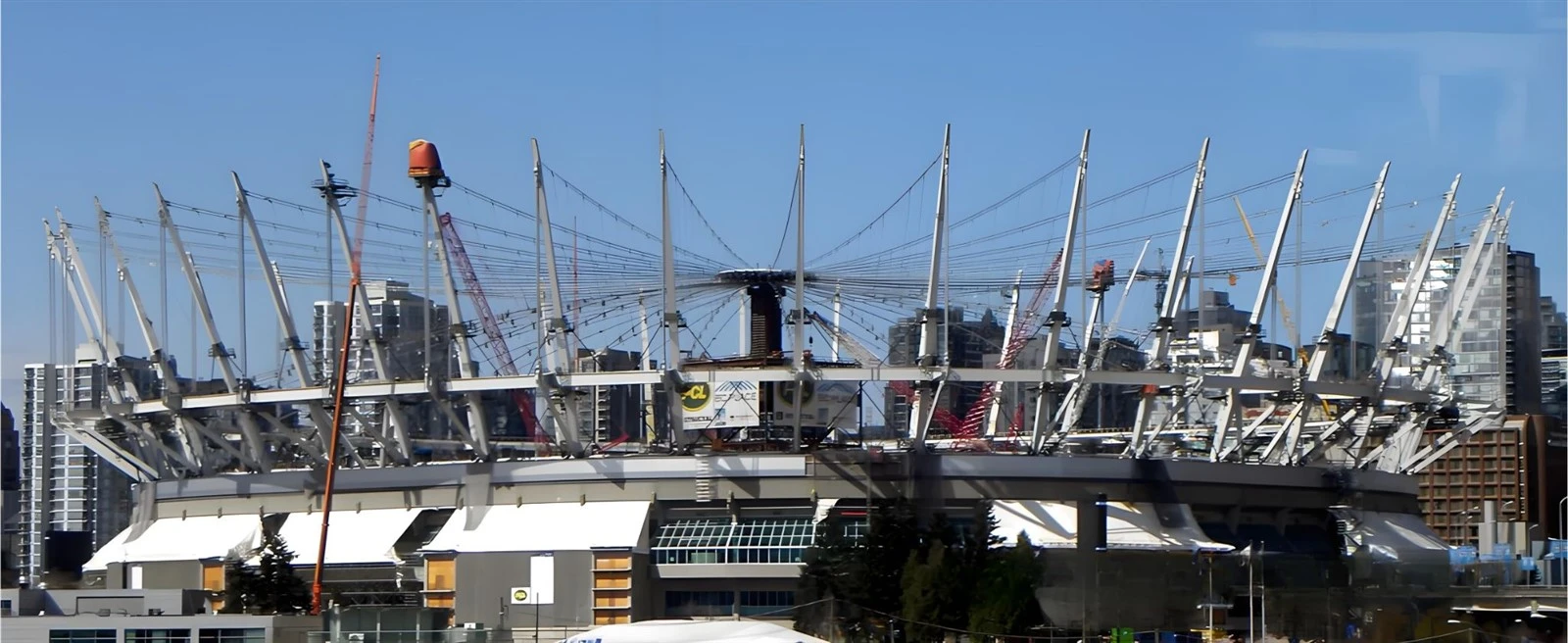
Large-Span Stadium Engineering: Three Structural Actions Behind Iconic Venues
Large-span structures over 60 meters face one fundamental challenge:
How can a building remain stable without traditional columns blocking the space?
Engineers solve this problem through three essential structural actions:
1. Unloading - Transferring Forces from Temporary Supports to the Structure
Large steel structures such as trusses and space frames are often assembled with temporary supports during construction.
Once the structure is completed, engineers gradually remove these supports through controlled unloading processes.
This is not simply removing scaffolding.
It is a carefully managed process of transferring thousands of tons of structural loads onto the permanent system.
The same engineering philosophy is applied to modern steel grandstands.
A professional stadium grandstand system must distribute loads safely through:
· High-strength steel frames
· Optimized structural connections
· Stable foundation systems
· Precise installation processes
SMART SPORTS steel structure grandstands are designed with structural safety, durability, and long-term performance as key priorities.
2. Joining - Turning Separate Components into One Strong Structure
Iconic stadiums such as AT&T Stadium rely on massive steel arches assembled piece by piece.
Before completion, every section works independently.
After the final connection, the entire structure becomes a unified load-bearing system.
This engineering concept is also critical for stadium seating solutions.
Modern grandstands are not simply rows of seats.
They are integrated systems combining:
· Steel supporting structures
· Aluminum or steel platforms
· Safety guardrails
· Stadium seats
· Access stairs and walkways
A successful installation requires accurate engineering design, manufacturing precision, and professional site installation.
3. Tension - Creating Stability Through Controlled Force
Cable and membrane structures such as Vancouver BC Place and SoFi Stadium demonstrate another advanced approach.
Flexible materials become stable only after controlled tension is applied.
This concept inspires many modern sports facility designs where flexibility, lightweight structures, and adaptability are increasingly important.
For indoor sports venues, schools, universities, and multipurpose arenas, retractable seating systems follow a similar principle:
Flexible space becomes functional space through intelligent engineering.
SMART SPORTS electric retractable bleachers allow venues to quickly transform between:
· Basketball courts
· Volleyball halls
· Badminton facilities
· School auditoriums
· Event spaces
Maximizing space utilization while maintaining safety and comfort.
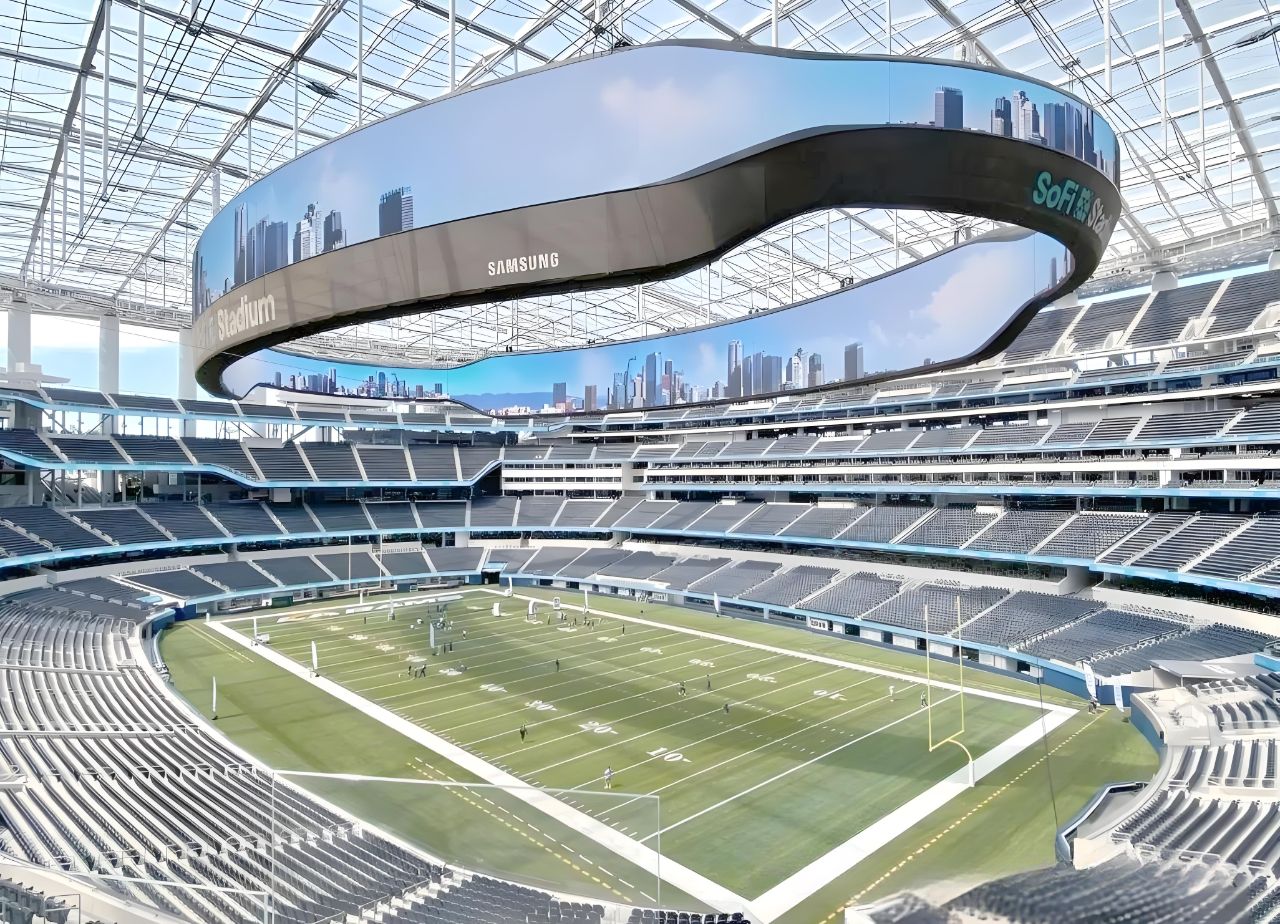
Three Types of Stadium Seating Solutions for Modern Sports Venues
As global sports infrastructure continues to develop, stadium owners and contractors require seating systems that combine safety, durability, and flexibility.
SMART SPORTS provides comprehensive stadium seating solutions including:
Steel Structure Grandstands - Strong Foundation for Outdoor Stadiums
Steel grandstands are widely used in:
· Football stadiums
· Athletics tracks
· Baseball fields
· Racing venues
· Community sports facilities
Key advantages:
✓ High structural strength
✓ Large audience capacity
✓ Long service life
✓ Customized design options
✓ Suitable for permanent and temporary venues
With professional engineering design and manufacturing capability, SMART SPORTS delivers complete solutions from structural design to installation.
Retractable Bleachers - Flexible Seating for Multi-Purpose Venues
Retractable seating systems help maximize indoor facility usage.
Typical applications include:
· School gyms
· Sports halls
· Training centers
· Entertainment venues
Benefits:
✓ Space-saving design
✓ Electric or manual operation options
✓ Fast deployment and storage
✓ Customized seating capacity
✓ Improved venue efficiency
A retractable seating system transforms one venue into multiple functional spaces.
Aluminum Bleachers - Lightweight and Durable Outdoor Seating
Aluminum bleachers are ideal for:
· Schools
· Parks
· Outdoor courts
· Community stadiums
Advantages include:
✓ Corrosion resistance
✓ Lightweight structure
✓ Easy maintenance
✓ Long outdoor service life
✓ Quick installation
Compared with traditional materials, aluminum seating systems provide excellent performance in humid and coastal environments.
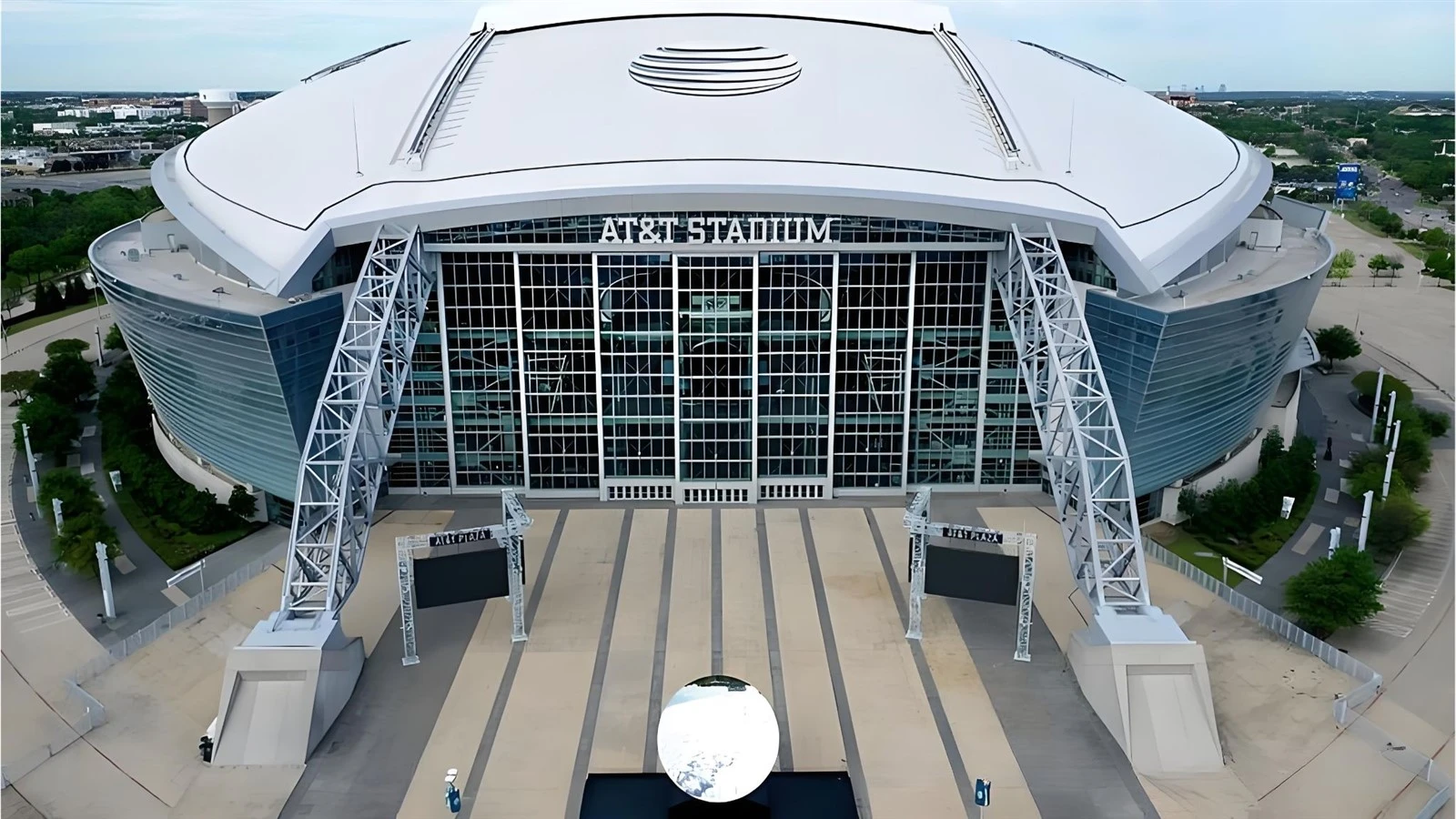
SMART SPORTS: Your Global Sports Facility Solution Partner
As a professional sports facility manufacturer from China, SMART SPORTS focuses on providing complete solutions for global customers.
Our products include:
· Steel Structure Grandstands
· Aluminum Bleachers
· Retractable Bleachers
· Stadium Seats
· Sports Flooring
· Padel Courts
· Locker Rooms
· Complete Stadium Facilities
From initial design and engineering consultation to production, installation, and after-sales support, we provide a complete project service model.
We understand that every stadium project has different requirements:
· Capacity planning
· Climate conditions
· Budget control
· Installation environment
· Long-term maintenance
Our experienced engineering team works with clients worldwide to create reliable and customized sports infrastructure solutions.
Building the Future of Sports Facilities
The world's greatest stadiums are built on one simple idea:
Do not fight against forces - understand them and design with them.
Whether it is a 90,000-seat World Cup stadium or a community sports venue, successful projects depend on professional engineering, reliable materials, and experienced manufacturing.
SMART SPORTS continues to bring advanced stadium seating technology and comprehensive sports facility solutions to customers around the world.
From concept to completion, we help build the future of sports.
Author Profile: Guangzhou Smart Sports Industrial Co., Ltd.
One-Stop Supplier Of Sports Court And Facilities