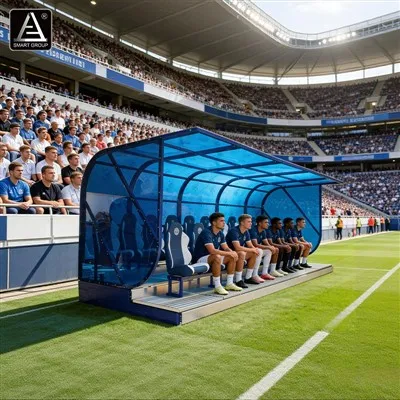
Craven Cottage Stadium: A Historic Football Venue and Modern Sports Facility Development Reference in London
As a professional supplier from China specializing in one-stop integrated sports facility solutions, SMART GROUP provides global clients with comprehensive solutions including stadium seating systems, grandstands, retractable bleachers, sports venue equipment, and customized stadium infrastructure. By studying world-renowned football stadiums, we help stadium developers, architectural firms, government sports projects, and professional clubs understand successful venue design concepts and modernization strategies.
Among England's historic football grounds, Craven Cottage stands out as one of the most unique stadiums, combining more than 120 years of football heritage with modern stadium redevelopment. Located beside the River Thames in London, this iconic venue is not only the home of Fulham Football Club, but also an important reference project for sports facility designers and developers seeking to balance tradition, capacity improvement, and modern spectator experience.

Overview of Craven Cottage Stadium
· Stadium Name: Craven Cottage
· Location: Stevenage Road, London, SW6 6HH, England
· Home Club: Fulham FC
· Capacity: 27,782 seats
· Country: England
· City: London
· Opening Match: 10 October 1896 (Fulham 4–0 Minerva)
· Original Construction Period: 1894–1896
· Major Renovations: 1903, 1905, 1961–1962, 1965, 1971–1972, 2004, 2019–2025
· Record Attendance: 49,335 (Fulham vs Millwall, 8 October 1938)
· Historical Architect: Archibald Leitch (1905)
· Modern Design Consultant: Populous (2025)
Craven Cottage is recognized as one of the oldest professional football stadiums in London. Unlike many modern football arenas built as completely new structures, Craven Cottage has evolved through multiple renovation phases while preserving its historical identity.

Construction History and Development Background
The history of Craven Cottage began in the late 19th century when Fulham Football Club needed a permanent home ground. The site originally contained a hunting lodge known as "Craven Cottage," which became the foundation of the future stadium's name.
Between 1894 and 1896, the stadium was developed into a football venue suitable for Fulham's growing supporter base. The original construction focused on creating a functional football ground with traditional English stadium characteristics, including open terraces and simple spectator facilities.
As football became increasingly professional and attendance numbers grew, Craven Cottage underwent several important upgrades.
Early 20th Century Development
In 1903 and 1905, major improvements were introduced, including the construction of new spectator stands. The famous Scottish stadium architect Archibald Leitch was involved in the design of the main stand structure in 1905.
Archibald Leitch was one of the most influential football stadium architects in British history. His designs shaped many classic English football grounds, focusing on:
Strong structural frameworks
Efficient spectator circulation
Clear sightlines
Functional roof structures
Traditional football atmosphere
The Stevenage Road Stand, designed with Leitch's architectural influence, became one of the defining features of Craven Cottage.
Modern Renovation and Stadium Expansion
Throughout the 20th century, Craven Cottage continued to improve through renovation projects in:
1961–1962
1965
1971–1972
These upgrades focused on improving spectator facilities, safety standards, seating arrangements, and stadium operations.
In 2004, significant modernization work was completed to improve compliance with modern football regulations. The stadium transitioned toward an all-seater configuration, improving safety, comfort, and viewing quality.
From 2019 to 2025, Craven Cottage entered another important development stage. The modernization program included improvements to spectator facilities, hospitality areas, premium seating spaces, and overall stadium experience. International sports architecture company Populous contributed to the latest design concepts, helping integrate modern commercial requirements while maintaining the stadium's historic character.

Stadium Structure and Design Features
Craven Cottage represents a successful combination of traditional English football architecture and modern stadium requirements.
The stadium consists of four main stands:
1. Johnny Haynes Stand
The Johnny Haynes Stand is the oldest remaining stand at Craven Cottage and one of the most recognizable historic football structures in England.
Features include:
Traditional architectural style
Original heritage elements
Premium hospitality areas
Corporate seating facilities
This stand demonstrates how historic stadium structures can be preserved while adapting to modern commercial requirements.
2. Riverside Stand
The Riverside Stand is the centerpiece of recent redevelopment.
Designed with modern stadium concepts, it provides:
Premium hospitality spaces
Executive lounges
VIP seating areas
Improved spectator facilities
Enhanced views overlooking the River Thames
The redevelopment demonstrates how stadium renovation can increase commercial value without completely rebuilding an existing venue.
3. Hammersmith End
The Hammersmith End traditionally serves as one of the most passionate supporter areas.
Its design focuses on:
High-energy atmosphere
Efficient crowd movement
Strong visual connection between fans and players
4. Putney End
The Putney End provides additional seating capacity and includes areas for visiting supporters.
Together, these four stands create a compact football-specific stadium atmosphere, with excellent proximity between spectators and the pitch.

Capacity and Spectator Experience
Craven Cottage currently accommodates approximately 27,782 spectators.
The stadium focuses on delivering a premium football experience through:
Comfortable stadium seating
Improved hospitality facilities
Enhanced accessibility
Modern safety systems
High-quality viewing angles
For stadium developers and sports project investors, Craven Cottage demonstrates that successful venues do not always require maximum capacity. A well-designed stadium can create strong commercial value through efficient space utilization, premium seating areas, and improved visitor experience.
Famous Events Hosted at Craven Cottage
Throughout its history, Craven Cottage has hosted many important football matches and sporting events.
Notable moments include:
Fulham Football Club league matches since 1896
English top-flight football competitions
FA Cup matches
International football-related events
Historic London football fixtures
The stadium's record attendance was achieved during:
Fulham vs Millwall - 8 October 1938
Attendance: 49,335 spectators
Although the current capacity is lower due to modern seating regulations, the record demonstrates the stadium's historical importance and ability to accommodate large crowds.
Fulham FC: The Club Behind Craven Cottage
Founded in 1879, Fulham FC is one of London's oldest professional football clubs.
The club has built a strong reputation through:
More than a century of English football history
Long-term community connection
Development of professional football culture
Participation in Premier League competitions
Fulham's identity is closely connected with Craven Cottage, making the stadium an important symbol of both sporting tradition and local heritage.
A Valuable Reference for Global Stadium Development Projects
For stadium construction companies, architectural designers, government sports departments, and facility investors, Craven Cottage provides valuable lessons in modern venue development.
Its evolution demonstrates several important principles:
Preserving historical identity while upgrading facilities
Combining traditional architecture with modern engineering
Creating commercial value through hospitality and premium seating
Optimizing spectator experience through professional stadium planning
As a global sports facility solution provider, SMART GROUP supports international clients with customized stadium solutions, including:
Stadium seating systems
Steel structure grandstands
Aluminum bleachers
VIP seating solutions
Retractable seating systems
Complete sports venue equipment
By combining manufacturing expertise with global stadium development experience, we help partners create safe, comfortable, and commercially valuable sports facilities worldwide. Craven Cottage represents how a historic stadium can continue evolving while maintaining its unique character - a valuable model for future sports infrastructure projects.
Author Profile: SMART GROUP - Global Sports Facility Solution Provider