KSS is a UK-based architecture and design practice whose portfolio includes football stadiums, sports facilities and leisure buildings. Its work is relevant to the wider network that plans, funds, designs, builds and operates sports infrastructure, including public authorities, developers, engineering consultants and specialist suppliers.
A Design Approach Focused on Venue Performance
Sports architecture must address more than appearance. A venue needs to respond to its site, capacity, sightlines, accessibility, crowd circulation, safety, operations and maintenance. It may also accommodate hospitality, community activities, training, media facilities and non-sporting events-especially important for publicly funded facilities serving different user groups.
KSS's sports portfolio offers examples of how venue design must balance these requirements. Depending on the commission, the scope may include feasibility, masterplanning, concept and architectural design, capacity planning and consultant coordination. Responsibilities vary and are shared with clients, engineers and contractors.
New-stadium planning considers transport, pedestrian access, servicing, parking and future expansion. Existing grounds may require higher capacity, improved spectator facilities or phased upgrades while remaining operational.
Projects That Demonstrate Sports-Venue Experience
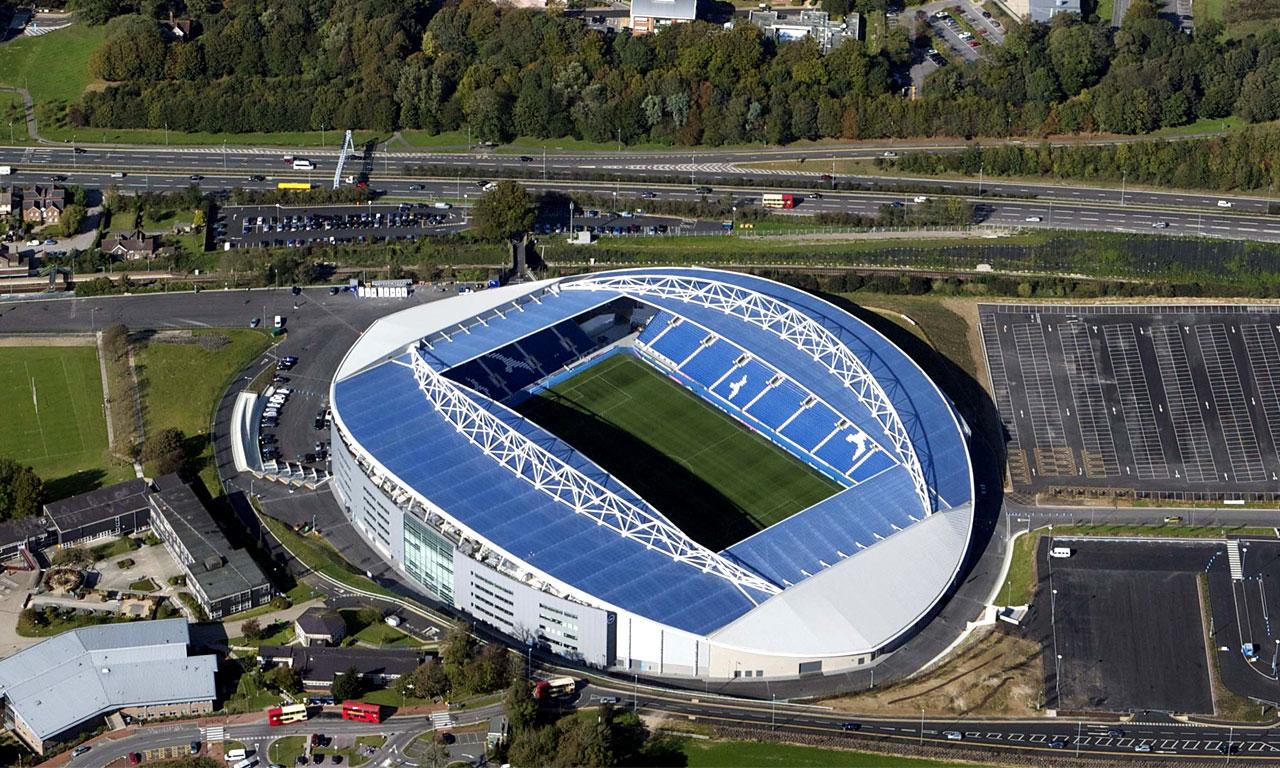
The American Express Community Stadium (Amex Stadium), home of Brighton & Hove Albion, is one of the key football projects associated with KSS. As a purpose-designed modern ground, it illustrates the importance of integrating the stadium with its site and community setting, while organising spectator areas and public functions around the matchday experience.
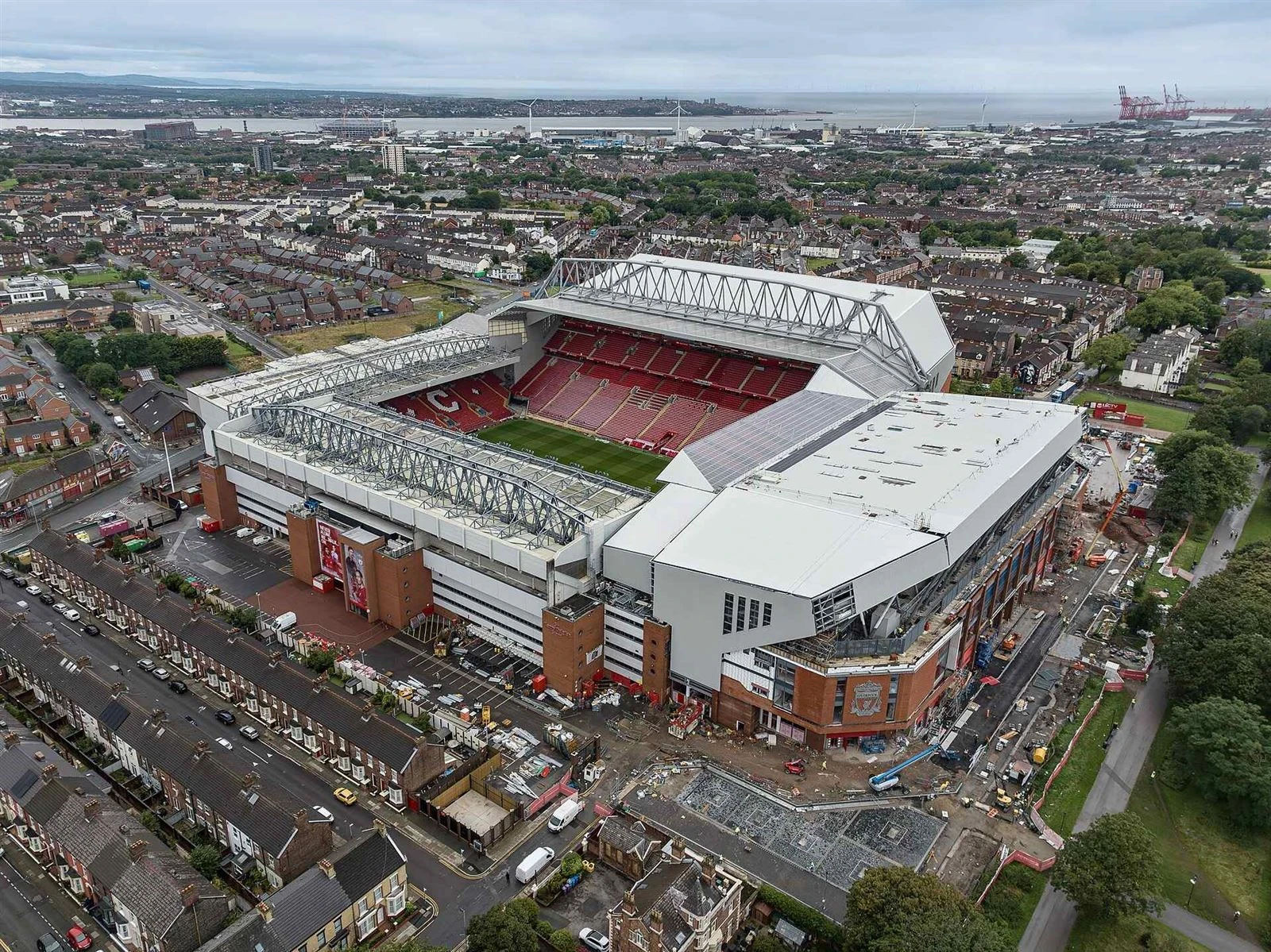
At Anfield, the Main Stand expansion for Liverpool FC presented a different challenge: modernising a historic stadium while retaining its identity. The project increased capacity to around 54,000 and added significant spectator and hospitality facilities. It is a useful reference for owners and redevelopment teams dealing with constrained urban sites, existing operations, construction logistics and the need to maintain a strong connection with a venue's heritage.
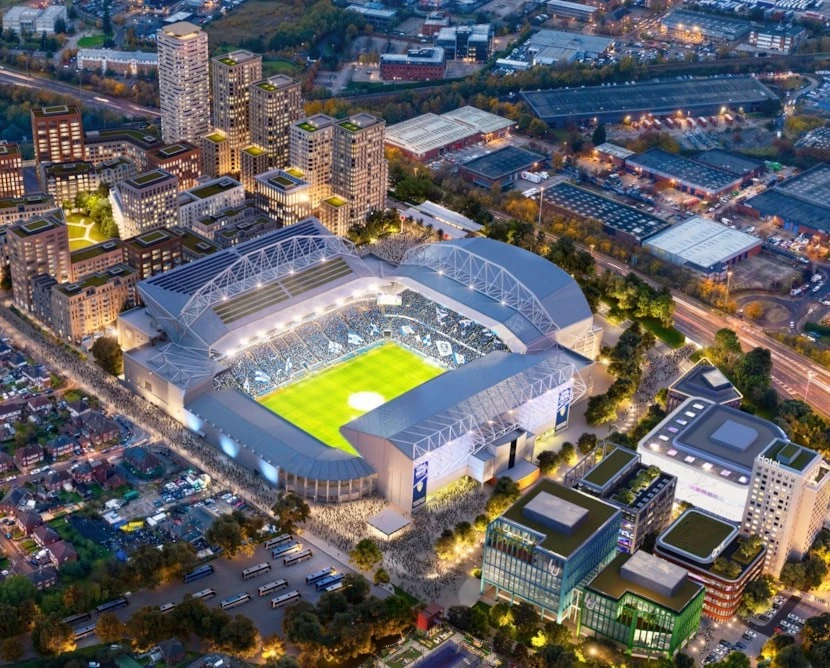
KSS has also been associated with the development planning for an expansion of Elland Road, home of Leeds United. The vision has been discussed around a potential capacity of approximately 53,000–56,000, subject to further development and relevant approvals. For project sponsors, this type of scheme demonstrates why future capacity should be considered alongside transport demand, surrounding infrastructure, construction phasing and the wider effects on the local area.
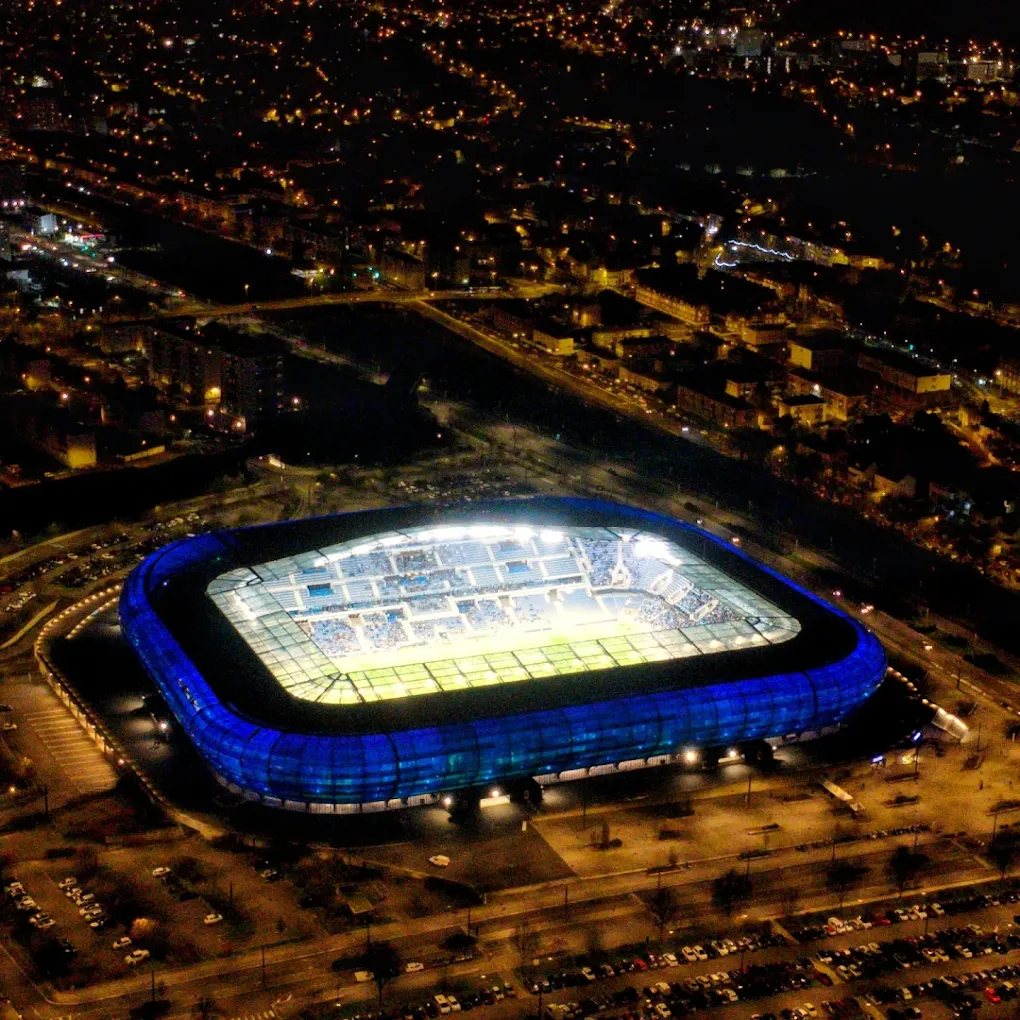
International references include Sammy Ofer Stadium in Haifa, developed in collaboration with Mansfeld-Kehat, and Stade Océane in Le Havre, France. These projects show the international dimension of stadium design and the need to coordinate architecture with structure, building services, spectator movement, amenities and environmental objectives. Stade Océane is also cited for its energy-conscious approach and renewable-energy features. The precise responsibilities of each design partner differ by project and should be understood in the context of the individual commission.
KSS's Purpose-Built Women's Stadium concept associated with Brighton, reported with a proposed capacity of around 10,000, reflects this direction. Such facilities can prioritise athlete support, changing and recovery spaces, safeguarding, accessibility and the experience of players and spectators. The proposal should be distinguished from a completed venue.
Why the Practice Is Relevant to Project Owners and Design Teams
For government departments and local authorities, a specialist sports architect can help translate public goals-such as increasing participation, supporting community sport or regenerating an area-into a practical facility strategy. Briefs may balance elite competition with school use, community clubs, events and public access, while considering whole-life costs, inclusive design and future expansion.
For developers, clubs and venue operators, priorities often include capacity, spectator comfort, hospitality, circulation and operating efficiency. Existing facilities may need phased upgrades, requiring careful coordination of seating, concourses, entrances, accessible viewing, media and back-of-house spaces.
For engineering and architecture firms, KSS may be a relevant specialist stakeholder or potential design partner on sports-related commissions. Structural and building-services engineers, façade specialists, transport planners, landscape architects and contractors may all contribute. Early coordination matters when roofs, grandstands, long-span spaces and crowd-management systems shape the design.
Opportunities for Sports-Facility Suppliers
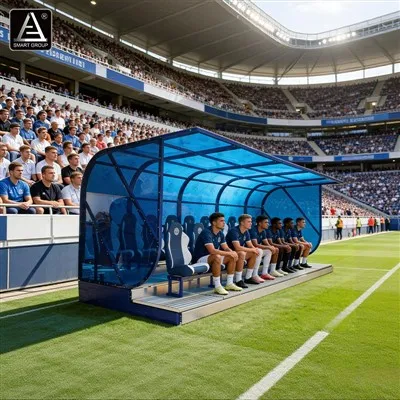
Manufacturers should approach a practice such as KSS with project-relevant technical information, not just a general product catalogue. Potentially relevant categories include grandstand structures, fixed and retractable seating, stadium seats, substitute benches, spectator shelters, railings and access components.
Useful introductory materials include dimensional and installation drawings, material specifications, load data, test reports, maintenance guidance, finish options and comparable project references. Suppliers should explain how products integrate with layouts and local requirements. Fire performance, accessibility, durability, structural interfaces and installation sequencing may affect specifications; applicable standards must be confirmed for each project.
For SMART GROUP and other sports-facility solution providers, KSS is best approached as a professional design stakeholder rather than simply a direct product buyer. An introduction can outline grandstand and seating capabilities, engineering documentation, customisation and international project experience, helping design teams assess suitability early.
A Stakeholder in the Wider Sports-Infrastructure Market
KSS's stadium and sports-related portfolio makes the practice relevant to organisations shaping future sports infrastructure. Its project references span new venues, major stand expansion and wider venue-development challenges. Public authorities, developers and design teams should assess each reference by its actual scope, delivery stage and local requirements. For suppliers, the opportunity is to engage early, communicate technical capabilities clearly and provide dependable information that supports design decisions. This is how a product manufacturer can build a credible relationship within the sports-facility supply chain.
Author:SMART GROUP - Global Sports Facility Manufacturer & Integrated Project Solution Provider