Project Overview: Stadium de Toulouse, France
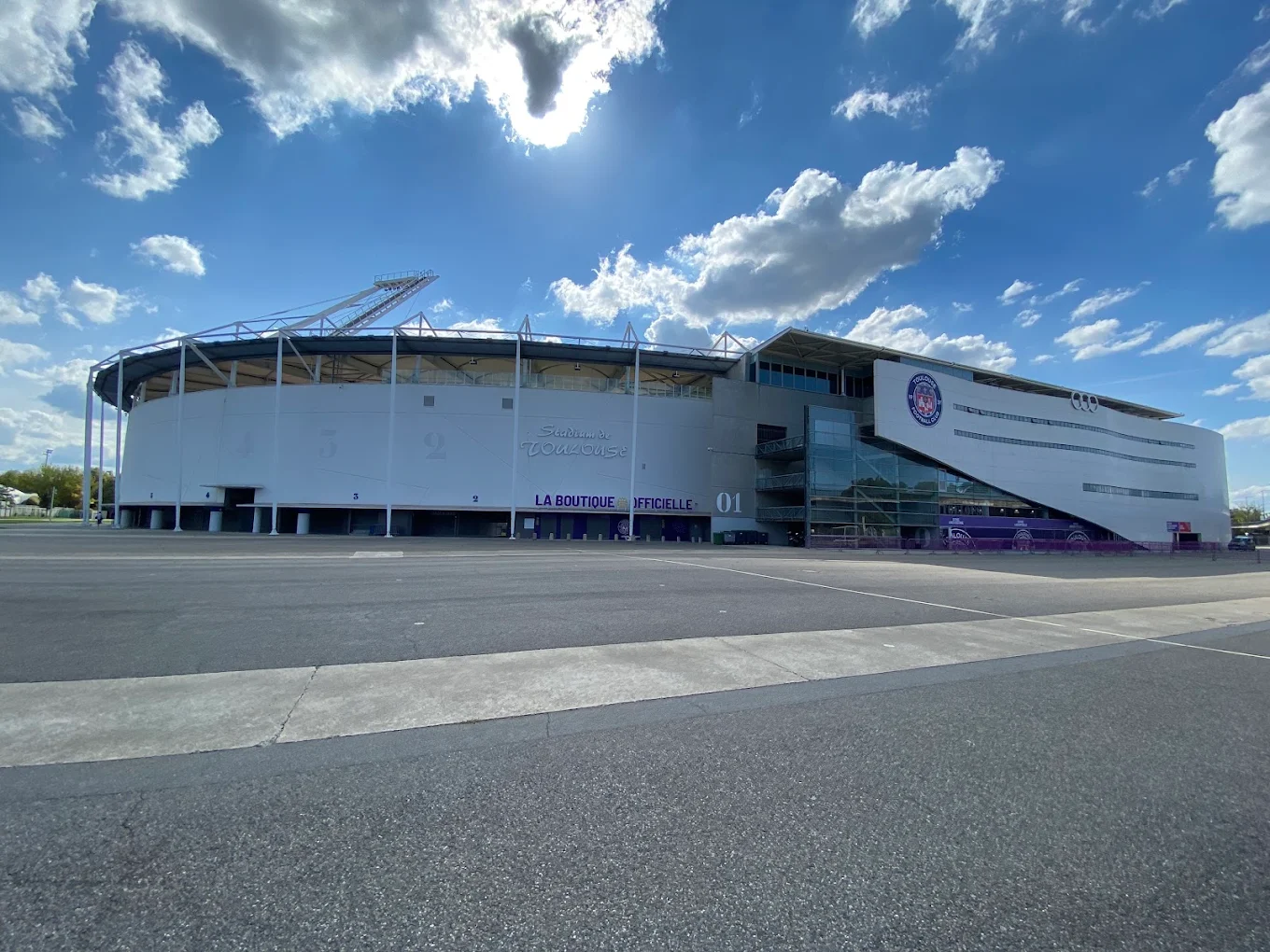
Located on Île du Ramier in the heart of Toulouse, France, Stadium de Toulouse is one of the country's historic multi-purpose sports venues. Often nicknamed "Mini Wembley" because of its architectural resemblance to the famous Wembley Stadium in London, this iconic venue has played an important role in French football and international sporting events.
With a seating capacity of approximately 33,150 spectators, the stadium is home to Toulouse FC and also serves as a venue for international football competitions, rugby matches, concerts, and other large-scale events.
The stadium is located at 1, Allée Gabriel-Biénès, 31400 Toulouse, France. Its development and modernization demonstrate how a historic sports facility can be transformed to meet the requirements of modern sports events while maintaining its architectural identity.
Construction History and Architectural Background
The history of Stadium de Toulouse dates back to the 1930s. Construction began in 1937 as part of a wider municipal sports development plan on Île du Ramier. The original project was designed by French architect Jean Montariol, who proposed a sports complex featuring a football and rugby stadium, an athletics track, and a cycling track.
The construction process was interrupted by World War II, and work resumed after the war. The stadium welcomed its first major public event in June 1949. It subsequently became an important sporting landmark in southwestern France.
Over the following decades, the venue underwent several renovation projects to improve its facilities, spectator experience, and international event capabilities.
Major redevelopment milestones included:
1997–1998: Major renovation work to prepare the stadium for the 1998 FIFA World Cup.
2001: Extensive repairs were required following damage caused by a nearby chemical factory explosion.
2003–2007: Further improvements to stadium facilities, seating, and event infrastructure.
2013–2016: A major modernization project designed to prepare the stadium for UEFA EURO 2016.
The 2013–2015 redevelopment project represented an investment of approximately €41.5 million. It focused on improving spectator comfort, safety, accessibility, visibility, and the stadium's ability to host different types of events.
Architecture and Stadium Design Companies
The original stadium was designed by Jean Montariol, whose architectural vision established the foundation of the venue.
For its major modern redevelopment, two architectural firms were involved:
Cardete & Huet Architectes: Responsible for the architectural redevelopment and modernization planning.
Atelier Ferret Architecture: Collaborated on the stadium renovation and spectator facility improvements.
The modernization project was commissioned by the City of Toulouse. Public project references identify the architects and project management participants, but do not establish a single principal construction contractor for the entire original stadium or redevelopment.
The architectural approach focused on upgrading the existing stadium rather than completely replacing its historic identity. This allowed the venue to retain its recognizable appearance while improving its technical and operational performance.
Stadium Capacity and Grandstand Structure
Stadium de Toulouse has a current listed capacity of approximately 33,150 seats, making it a major sporting venue in the Occitanie region.
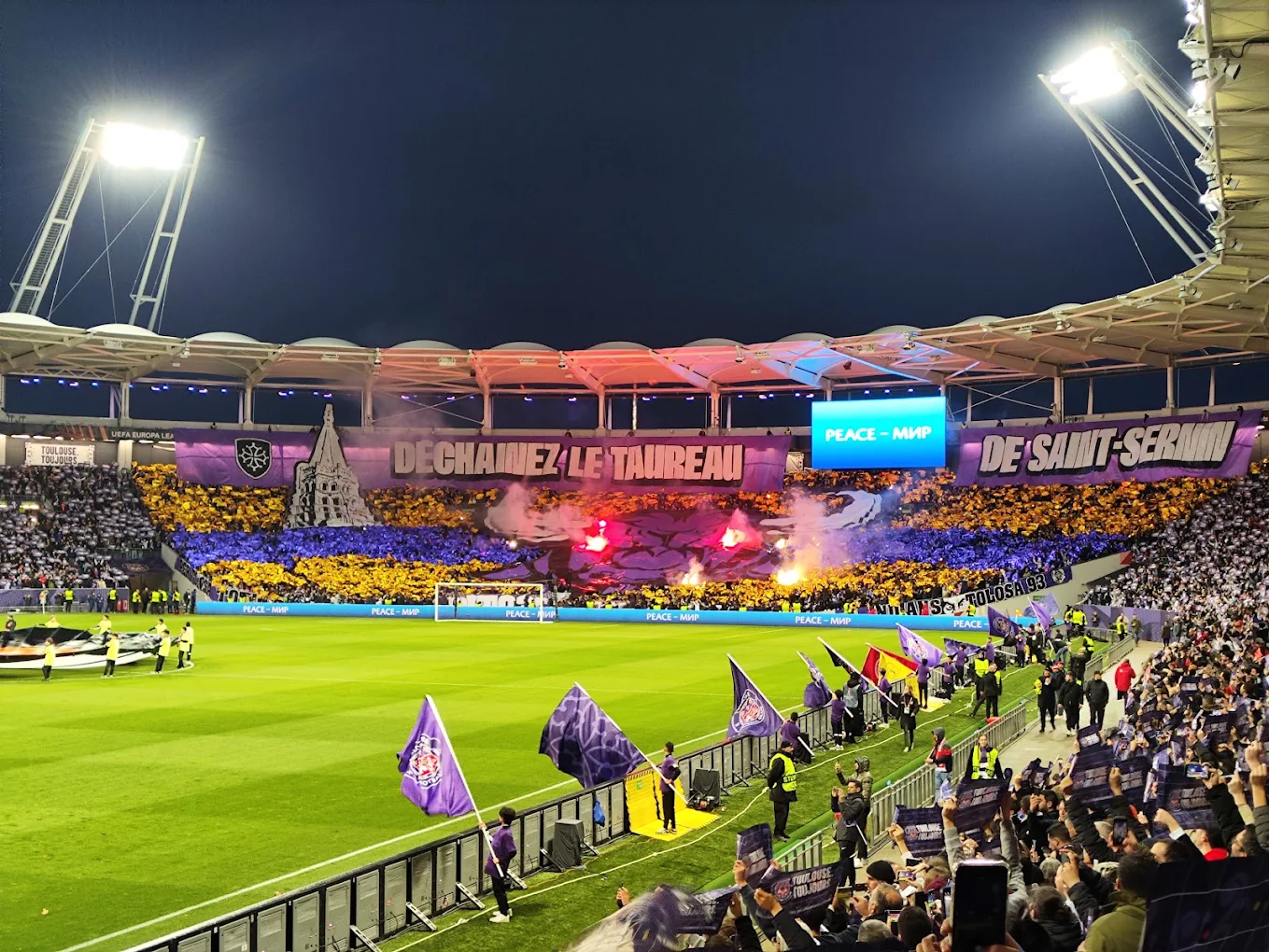
Its spectator facilities are arranged around the football pitch in a stadium bowl configuration, providing viewing areas on all four sides of the playing field. The grandstand arrangement is designed to bring spectators closer to the action and create a more engaging atmosphere during sporting events.
One important aspect of the 2013–2016 renovation was the reconstruction of most of the grandstands to improve sightlines and spectator comfort.
The lower-tier seating width was increased from approximately 60 cm to 75 cm. This improvement demonstrates the importance of ergonomic stadium seating design, circulation space, and spectator comfort in modern stadium construction.
Other improvements included upgraded toilets, refreshment facilities, press areas, floodlighting, security cameras, and event infrastructure.
For stadium developers and engineering consultants, this project illustrates how grandstand construction, seating configuration, structural design, and supporting facilities must work together to create an efficient sports venue.
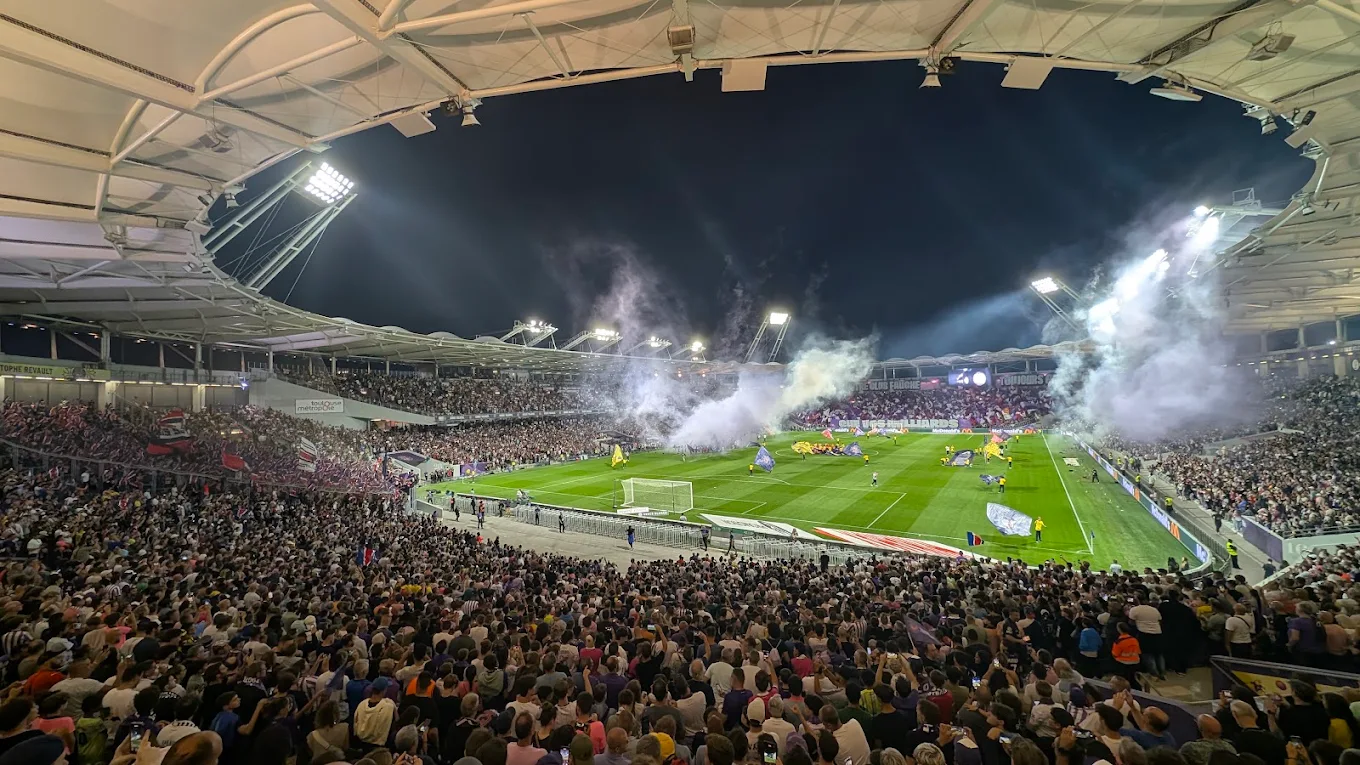
Major Sporting Events Hosted at Stadium de Toulouse
Stadium de Toulouse has hosted several internationally recognized sporting competitions throughout its history.
1938 FIFA World Cup
The stadium was originally developed in connection with the 1938 FIFA World Cup, giving it an international sporting identity from its early years.
1998 FIFA World Cup
Following its major redevelopment, the stadium hosted six matches during the 1998 FIFA World Cup, welcoming international teams and football supporters.
2007 Rugby World Cup
The venue also demonstrated its multi-purpose capabilities by hosting matches during the 2007 Rugby World Cup.
UEFA EURO 2016
After its latest major modernization, Stadium de Toulouse hosted four UEFA EURO 2016 matches, including three group-stage matches and a round-of-16 match between Hungary and Belgium.
These events highlight the importance of adaptable stadium infrastructure, reliable spectator facilities, and high-quality seating systems in international sports venues.
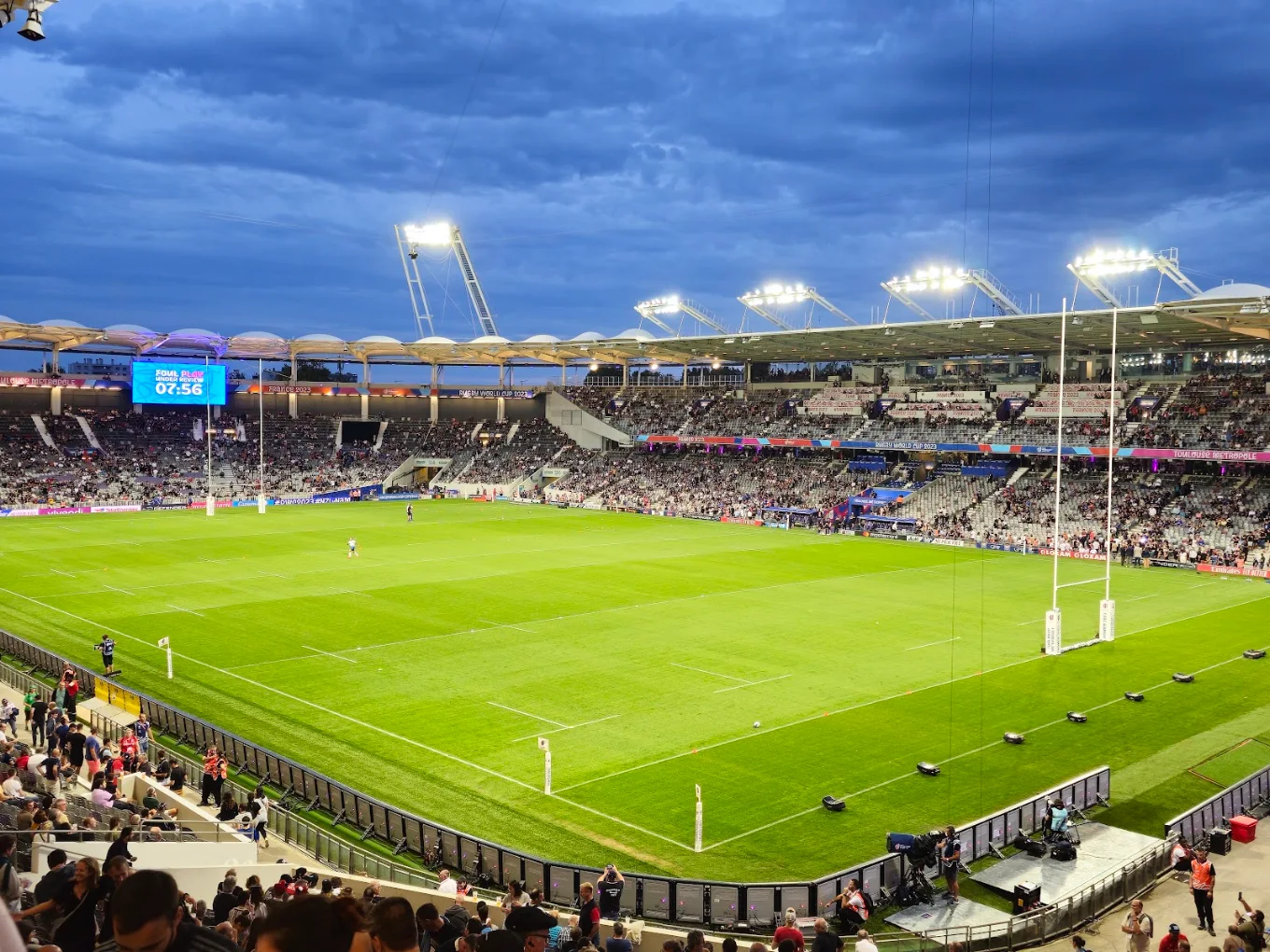
Toulouse FC: The Home Football Club
Stadium de Toulouse is the home ground of Toulouse Football Club (Toulouse FC), one of the professional football clubs in France.
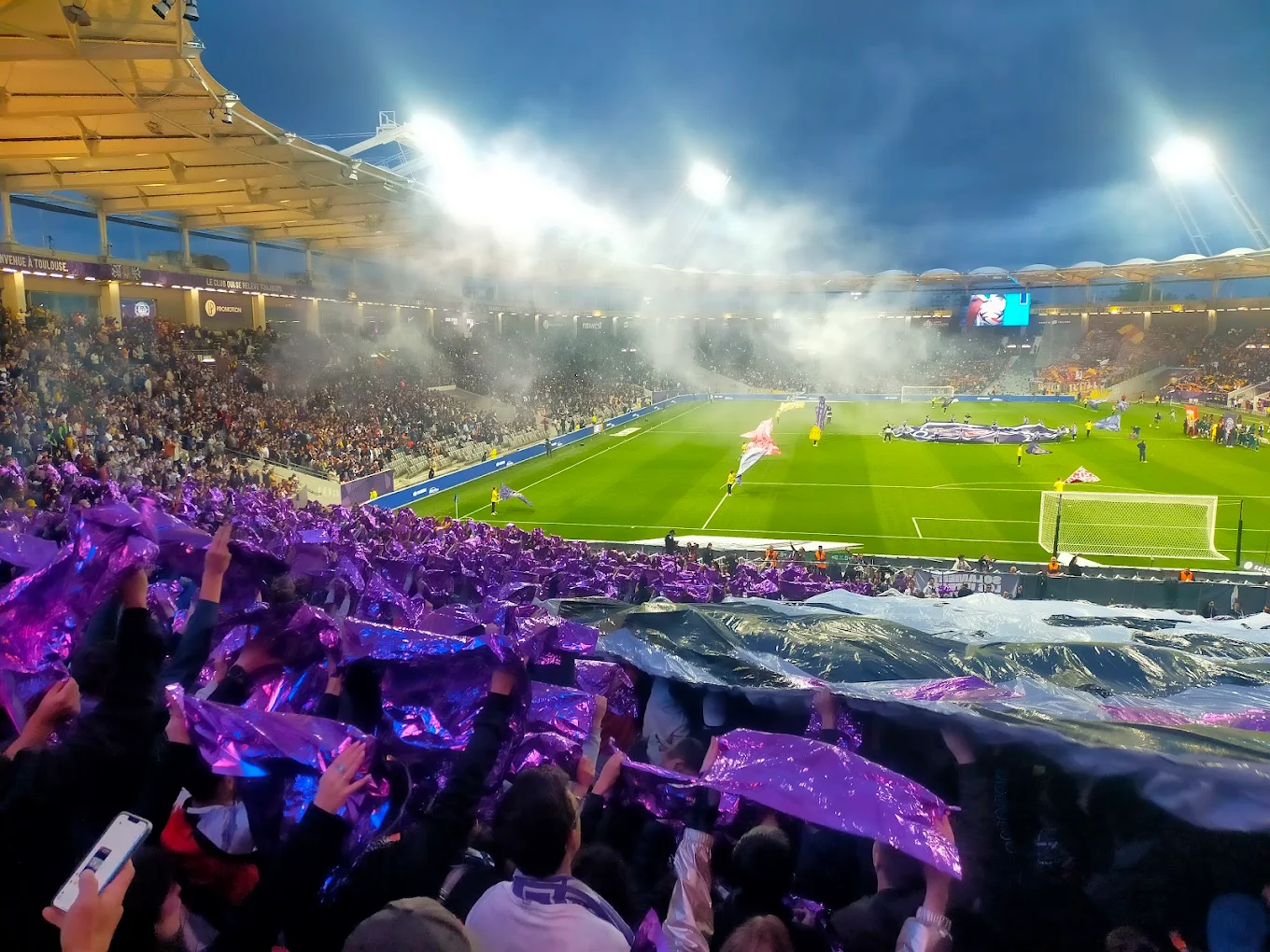
Founded on March 20, 1937, Toulouse FC has developed a strong connection with the local community and the city's sporting culture. The club is widely recognized by its purple identity, and its supporters play an important role in creating the stadium's matchday atmosphere.
One of the club's major achievements came in 1957 when it won the French Cup. In 2023, Toulouse FC also won the Coupe de France, defeating Nantes in the final.
For the club, Stadium de Toulouse is more than a football ground. It represents its history, community identity, sporting ambitions, and connection with generations of supporters.
What Stadium Construction Companies Can Learn from This Project
For stadium construction companies, architects, engineering consultants, and government procurement departments, Stadium de Toulouse offers several valuable lessons.
First, long-term structural planning is essential. A sports venue should be designed with future renovation, maintenance, and potential capacity adjustments in mind.
Second, grandstand and seating solutions directly influence spectator experience. Comfortable seating dimensions, clear sightlines, safe access routes, and efficient circulation are important considerations in every stadium development project.
Third, multi-purpose functionality creates greater venue value. Stadiums designed to accommodate football, rugby, concerts, and other events can serve a wider range of users and operational requirements.
Finally, professional project coordination is critical. Structural engineering, architectural design, stadium seating, roofing, lighting, and installation must be carefully coordinated to achieve a successful project.
SMART GROUP: Your One-Stop Sports Facilities Solution Partner
Inspired by international stadium projects such as Stadium de Toulouse, SMART GROUP is a China-based supplier specializing in providing comprehensive one-stop sports facilities solutions for global customers.
We provide integrated services covering Design, Production, Sales, and Installation, helping stadium developers, construction contractors, architects, sports facility distributors, and government procurement teams source suitable sports infrastructure for their projects.
Our main product solutions include:
Steel Structure Grandstands and Outdoor Covered Grandstands
Aluminum Grandstands and Portable Bleachers
Stadium Seats and VIP Seating Solutions
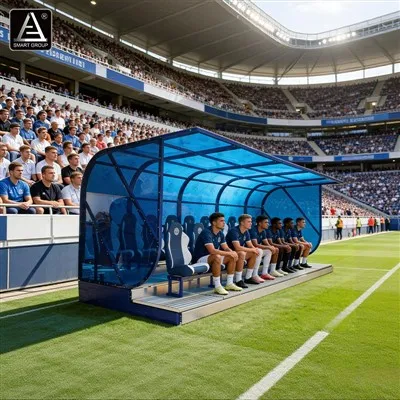
Substitute Player Benches
Electric Retractable Grandstands
Complete Sports Venue Equipment Solutions
From initial project consultation and customized design to manufacturing, product supply, and installation guidance, SMART GROUP works with clients to meet different project requirements, budgets, and venue specifications.
Whether you are planning a new football stadium, renovating an existing sports venue, developing a school sports facility, or managing a government-funded sports infrastructure project, choosing an experienced sports facilities supplier is an important step toward project success.
Author:SMART GROUP - Global Sports Facility Manufacturer & Integrated Project Solution Provider