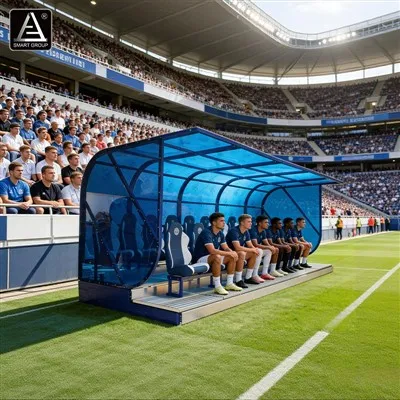
During the construction and renovation of sports stadiums, the safety and durability of bleacher seats have always been the focus of procurement and construction teams. As densely populated public venues, stadiums place extremely high demands on the fire safety of their facilities.
Many project managers and buyers often ask: Should stadium stand seats generally meet the B1 or Class A flame retardant standard? And will the flame retardants available on the market accelerate seat aging? This article provides a comprehensive and in-depth analysis from the professional perspectives of engineering procurement and materials science.
Stadium Bleacher Seat Flame Retardant Level: B1 or Class A?
In national and international standards for the burning behavior of building materials (such as China's GB 8624 or similar global standards), the fire performance levels of materials are mainly classified into the following categories:
Class A: Non-combustible materials (e.g., concrete, stone, metal).
Class B1: Flame-retardant materials (possess excellent fire-retardant effects; difficult to ignite when exposed to open flames or high temperatures in the air, and burning stops immediately once the fire source is removed).
Class B2: Combustible materials (possess a basic degree of flame retardancy, but can still burn).
Industry Conclusion: The flame retardant level of plastic stadium bleacher seats is generally required to reach Class B1.
Why not Class A?
The vast majority of mid-to-high-end stadium seats on the market are made of High-Density Polyethylene (HDPE) or modified Polypropylene (PP). Since these materials are inherently high-molecular organic plastics, no matter how much advanced technology or modifier is used, their physical characteristics dictate that they cannot meet the "non-combustible" Class A standard. If one blindly pursues Class A, the only options would be concrete or metal seats, which clearly fall short of modern stadium design requirements in terms of comfort, aesthetics, and cost-effectiveness.
Therefore, under the premise of meeting strict fire safety compliance, Class B1 (flame retardant) is the highest fire rating that plastic bleacher seats can realistically achieve, making it the "hard standard" for procurement in major landmark venues.
Does Adding Flame Retardants Accelerate Seat Aging?
This is an objective technical pain point in the industry, yet one that some manufacturers frequently choose to avoid discussing.
Core Fact: Adding ordinary or poor-quality flame retardants indeed accelerates the aging of plastic seats to a certain extent.
How Flame Retardants Cause Aging
Plastic seats are typically exposed outdoors year-round, enduring physical challenges from ultraviolet (UV) rays, high temperatures, and rain. When a large amount of traditional flame retardant (such as certain halogenated retardants or inorganic flame-retardant powders) is added to the raw materials, it can cause the following negative impacts:
Disruption of the Resin Matrix Structure: High loading of low-grade flame retardants reduces the inherent toughness and tensile strength of the plastic, making the seats more brittle and prone to cracking after a few years of use.
Antagonistic Side Reactions: Some low-quality flame retardants create an antagonistic chemical reaction with the "light stabilizers (anti-UV agents)" in the plastic. This severely compromises the anti-UV effect, causing the seats to fade and chalk rapidly under scorching sunlight.
How Modern Technology Solves This Conflict
High-quality bleacher seat manufacturers do not simply sacrifice weather resistance for the sake of flame retardancy. Take the seats in the Beijing Olympic Games main venue, the "Bird's Nest," as an example. They utilize high-end modified polypropylene materials with a highly balanced formulation:
Use of New Halogen-Free Composite Flame Retardants: These retardants require a much lower dosage, minimizing damage to the mechanical properties of the plastic itself.
Synergistic Integration of High-Efficiency Antioxidants and UV Absorbers: Professional formulation engineers fine-tune the recipe so that the flame-retardant and sun-protection components complement each other. While achieving the Class B1 flame-retardant rating, they ensure the seats will not fade, harden, or chalk even after years of wind and sun exposure outdoors.

A Buyer's Guide to Avoiding Pitfalls in Stadium Seat Procurement
To ensure that the stadium smoothly passes fire safety inspections while maximizing the lifespan of the bleacher seats, buyers are advised to focus on the following three points during procurement:
Look for Authoritative Class B1 Test Reports: Ensure the manufacturer provides an official compliance report (such as GB 8624 B1 or EN 13501-1 Class B) issued by an authorized fire testing center specifically for that product batch.
Examine Weather Resistance (Anti-Aging) Metrics: In addition to fire rating reports, pay close attention to the product's artificial accelerated weathering test report. Outstanding products usually pass thousands of hours of UV exposure testing and come with clear warranty guarantees.
Reject Low-Priced "No-Name" Recycled Seats: Some low-end manufacturers slash costs by using recycled materials and over-adding cheap flame retardants. While these seats might barely pass initial flame-retardant tests, they usually become highly brittle and break under outdoor conditions within two years, posing severe safety hazards.
Conclusion
For stadium bleacher seats, aiming for a Class B1 flame retardant rating is sufficient; blindly chasing Class A is a common misconception. Whether flame retardants accelerate aging entirely depends on the manufacturer's material modification technology and formulation expertise. When sourcing, partnering with a professional manufacturer that possesses robust R&D capabilities and can balance both "flame retardancy" and "weather resistance" is the ultimate guarantee for delivering a high-standard stadium project.
Author Profile: Guangzhou Smart Sports Industrial Co., Ltd.