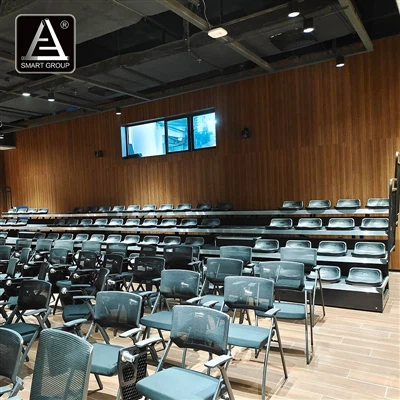
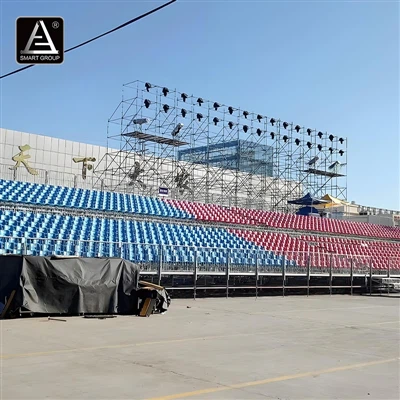
As a supplier of steel grandstands with roofs, I often receive inquiries from clients in cold climates about the suitability of our products. The question of whether a steel grandstand with a roof can be used in cold climates is a crucial one, and in this blog post, I'll explore the technical aspects, benefits, and considerations associated with using our steel grandstands in such environments.
Technical Feasibility
Steel is a highly durable material that can withstand extreme temperatures. In cold climates, the low temperatures can cause some materials to become brittle, but steel has excellent cold - weather performance. The modulus of elasticity of steel remains relatively stable in cold conditions, which means it can maintain its structural integrity.
Our steel grandstands are designed with high - strength steel alloys that are specifically engineered to resist the effects of cold. These alloys have been tested in laboratories under simulated cold - climate conditions to ensure that they can handle the stress and strain associated with freezing temperatures. For example, the ASTM A572 Grade 50 steel, which we often use in our grandstands, has a minimum yield strength of 50,000 psi and can perform well in temperatures as low as - 40°F.
The roof of our grandstands is also an important factor. We offer a variety of roofing materials, including membrane structures and traditional metal roofs. Membrane structures, such as those used in Membrane Structure Scaffolding Grandstand Seating, are lightweight and flexible. They can adapt to the expansion and contraction of the steel structure caused by temperature changes. Metal roofs, on the other hand, are more rigid and can provide excellent protection against snow and ice.
Benefits in Cold Climates
One of the main benefits of using a steel grandstand with a roof in cold climates is protection from the elements. The roof can shield spectators from snow, ice, and freezing rain, providing a more comfortable viewing experience. This is especially important for outdoor events in cold weather, such as winter sports competitions or concerts.


The steel structure of the grandstand is also resistant to corrosion, which is a common problem in cold climates where de - icing salts are often used on roads and sidewalks. Our steel grandstands are coated with anti - corrosion materials, such as galvanized coatings, which can prevent rust and extend the lifespan of the structure.
In addition, the modular design of our steel grandstands allows for easy installation and disassembly. This is particularly useful in cold climates where construction work may be limited by the weather. The grandstands can be pre - fabricated in a controlled environment and then transported to the site for quick assembly.
Considerations
While steel grandstands with roofs are suitable for cold climates, there are some considerations that need to be taken into account. One of the main issues is snow load. In areas with heavy snowfall, the roof of the grandstand needs to be designed to withstand the weight of the snow. Our engineering team calculates the snow load based on local weather data and designs the roof structure accordingly.
Another consideration is the thermal performance of the grandstand. In cold climates, it's important to minimize heat loss to keep spectators warm. We can install insulation materials in the roof and walls of the grandstand to improve its thermal efficiency.
The maintenance of the grandstand in cold climates is also crucial. Regular inspections should be carried out to check for any signs of damage, such as cracks in the steel structure or leaks in the roof. Any issues should be addressed promptly to ensure the safety of the spectators.
Case Studies
To illustrate the effectiveness of our steel grandstands with roofs in cold climates, let's look at some case studies. In a winter sports stadium in a northern region, our Stadium Grandstand Seating Roof was installed. The grandstand provided excellent protection for the spectators from the cold and snow, and the steel structure remained in good condition throughout the winter season.
In another case, a temporary event venue in a cold climate used our Mobile Temporary Grandstand Seating With Roof. The modular design allowed for quick installation and disassembly, and the grandstand was able to withstand the harsh winter conditions.
Conclusion
In conclusion, a steel grandstand with a roof can be effectively used in cold climates. The durability of steel, combined with the protection provided by the roof, makes it an ideal solution for outdoor events in cold weather. However, proper design, installation, and maintenance are essential to ensure the safety and performance of the grandstand.
If you're interested in purchasing a steel grandstand with a roof for your project in a cold climate, we'd be happy to discuss your specific needs. Our team of experts can provide you with detailed information and a customized solution. Contact us today to start the procurement process and bring your event or venue to the next level.
References
- ASTM International. (2023). ASTM A572/A572M - 22: Standard Specification for High - Strength Low - Alloy Columbium - Vanadium Structural Steel.
- Building Codes for Cold Climates. (2023). National Building Code Institute.