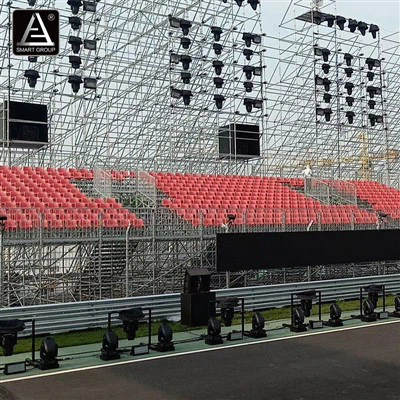
Hey there! I'm a supplier of stadium chairs, and I've seen firsthand how important it is to keep these seats in top - notch condition. In this blog, I'll share some tips on how to maintain stadium chairs to extend their lifespan.
1. Regular Cleaning
The first step in maintaining stadium chairs is regular cleaning. Over time, dust, dirt, and debris can accumulate on the chairs, making them look shabby and potentially causing damage.


For plastic chairs like our Folding Plastic Stadium Seats With Cuphold, a simple solution of mild soap and water can do the trick. Use a soft cloth or a sponge to gently wipe down the surface. Avoid using abrasive cleaners or scrubbers, as they can scratch the plastic.
If you have fabric - covered chairs, vacuum them regularly to remove loose dirt and dust. For stains, use a fabric cleaner that's suitable for the type of fabric. Always test the cleaner on a small, inconspicuous area first to make sure it doesn't discolor the fabric.
2. Inspection for Damage
Regular inspections are crucial. Check the chairs for any signs of wear and tear, such as cracks, loose screws, or broken parts.
For Tip - up Stadium Seats, pay special attention to the mechanism that allows the seat to tip up. Make sure it's functioning smoothly. If you notice any issues, like a seat that won't tip up or down properly, it's important to address it right away.
For high - backrest chairs like our High Backrest Stadium Seats Chairs, check the backrest for any signs of stress or damage. A loose or damaged backrest can not only be uncomfortable but also pose a safety risk.
3. Lubrication
Lubrication is key for chairs with moving parts. For example, if your stadium chairs have hinges or folding mechanisms, lubricating them regularly can prevent them from seizing up.
Use a silicone - based lubricant. It's great because it doesn't attract dust and dirt like some other lubricants. Apply the lubricant sparingly to the moving parts, and then work the mechanism back and forth a few times to distribute the lubricant evenly.
4. Protection from the Elements
If your stadium is outdoors, your chairs are exposed to the elements. Sunlight, rain, and extreme temperatures can all take a toll on the chairs.
For plastic chairs, UV - resistant coatings can help protect them from the sun's harmful rays. You can also consider using covers during the off - season to shield the chairs from rain and snow.
For metal parts, make sure they're properly coated to prevent rust. If you notice any signs of rust, sand it off and apply a rust - resistant paint.
5. Proper Storage
When the stadium is not in use, proper storage is essential. If possible, store the chairs in a dry, climate - controlled environment. This can prevent damage from humidity, which can cause wood to warp and metal to rust.
If you need to stack the chairs, make sure they're stacked in a stable way to avoid damage. Use padding between the chairs to prevent scratches.
6. Staff Training
Make sure your staff is trained on how to handle and maintain the stadium chairs. They should know how to clean the chairs properly, how to identify signs of damage, and what to do if they find a problem.
Training can also include instructions on how to safely move the chairs. Improper handling can lead to unnecessary damage.
7. Upgrades and Repairs
As your stadium chairs age, consider making upgrades or repairs. For example, if the seats are starting to look worn, you might be able to replace the seat cushions.
If a chair has a broken part, don't just throw it away. Many parts can be replaced, which is often more cost - effective than buying a whole new chair.
8. Record - Keeping
Keep a record of all maintenance activities. This includes cleaning schedules, inspection results, and any repairs or upgrades that have been done.
Record - keeping can help you track the condition of your chairs over time. It can also be useful if you need to prove to a warranty provider that you've been maintaining the chairs properly.
Conclusion
Maintaining stadium chairs is not just about making them look good; it's about ensuring their safety and extending their lifespan. By following these tips, you can keep your stadium chairs in great shape for years to come.
If you're in the market for new stadium chairs or need advice on maintaining your existing ones, don't hesitate to reach out. We're here to help you make the best decisions for your stadium.
References
- General knowledge of stadium chair maintenance based on industry experience.
- Research on best practices for cleaning and protecting different types of stadium chair materials.