


Hey there! I'm a supplier of stadium chairs, and today I wanna talk about one of the most important aspects of stadium seating: the seating width. It might seem like a small detail, but it can have a huge impact on the comfort and experience of the people using these seats.
Why Seating Width Matters
First off, let's understand why the width of stadium chairs is such a big deal. When you're sitting in a stadium for hours, whether it's for a football game, a concert, or any other event, comfort is key. A seat that's too narrow can make you feel cramped and uncomfortable, which can really take away from the enjoyment of the event. On the other hand, a seat that's too wide might not be efficient in terms of space utilization, and it could lead to fewer seats in the stadium overall.
So, finding the right balance is crucial. It's not just about making the seats comfortable for the spectators; it's also about making the most of the available space in the stadium. This is where we, as a stadium chair supplier, come in. We need to offer seating options that meet both the comfort needs of the users and the space requirements of the stadium.
Standard Seating Widths
There isn't a one - size - fits - all answer when it comes to the seating width of stadium chairs. Different types of stadiums and events might call for different widths.
In general, for standard stadiums that host a variety of events like sports games and concerts, the typical seating width ranges from 18 to 22 inches. For example, in many college and professional sports stadiums, you'll find seats with a width of around 20 inches. This width provides a good balance between comfort and space efficiency.
However, if the stadium is catering to a more high - end or luxury event, the seats might be wider. Some luxury boxes or premium seating areas can have seats that are 24 inches or even wider. These wider seats often come with additional features like extra padding, adjustable armrests, and more legroom, which can significantly enhance the comfort of the spectators.
Factors Affecting Seating Width
Several factors can influence the ideal seating width for a stadium.

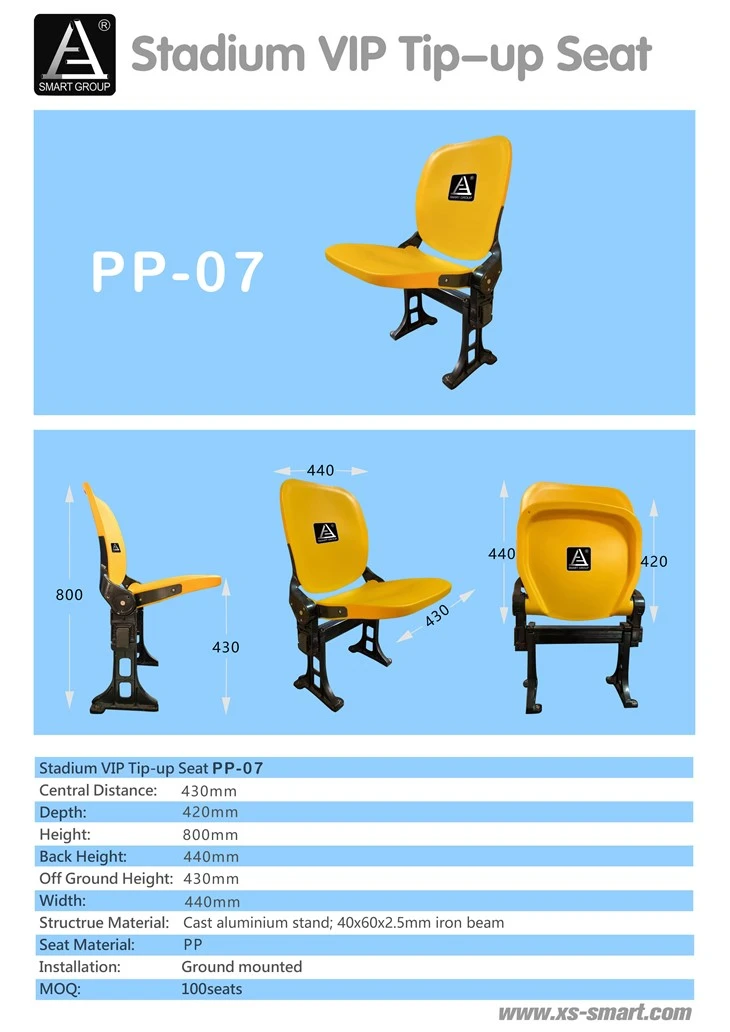
1. Event Type
The type of event being held in the stadium plays a big role. For example, if it's a concert, people might be more likely to sit still and enjoy the show. In this case, a slightly narrower seat might be acceptable as long as it's comfortable. On the other hand, for a sports game, especially a high - energy one like basketball or football, people tend to move around more, cheer, and stand up. So, a wider seat can provide more space for these movements and make the spectators feel more at ease.
2. Target Audience
The target audience of the stadium also matters. If the stadium is mainly for children or youth, the seats can be narrower. But for an adult - oriented stadium, wider seats are usually preferred. For instance, a stadium that hosts a lot of family - friendly events might have a mix of narrower seats for kids and wider seats for adults.
3. Stadium Design
The overall design of the stadium can limit or allow for certain seat widths. If the stadium has a tight layout with limited space, the seats might have to be narrower to fit more people. However, if the stadium is designed with a more spacious layout, there's more room to install wider seats.
Our Product Offerings
As a stadium chair supplier, we offer a wide range of seating options with different widths to meet the diverse needs of our customers.
We have the Telescopic Bleacher Stadium Seat. This type of seat is great for stadiums that need to adjust the seating capacity based on the event. It has a standard width that provides a comfortable seating experience for the spectators. The telescopic feature allows for easy storage and setup, making it a practical choice for many stadiums.
Another option we have is the GRID SYSTEM I Tip - up Stadium Seat. These seats are known for their durability and comfort. They come in various widths, so you can choose the one that best suits your stadium's needs. The tip - up feature is convenient for cleaning and can also help with the flow of traffic in the stadium.
We also offer Folding Tip - up Stadium Seats. These seats are ideal for stadiums that need a flexible seating solution. They can be easily folded up when not in use, saving space. And just like our other products, they are available in different widths to accommodate different requirements.
How to Choose the Right Seating Width
If you're in charge of a stadium and you're trying to decide on the seating width, here are a few tips.
First, consider the event types and the target audience. As I mentioned earlier, different events and audiences have different needs. If you're hosting a lot of family events, make sure to have a good mix of seat widths.
Second, think about the long - term plans for the stadium. If you plan to expand or change the types of events in the future, it might be a good idea to choose seats that are a bit more flexible in terms of width.
Finally, don't forget about the budget. Wider seats usually cost more, so you need to find a balance between your budget and the comfort requirements of your spectators.
Conclusion
The seating width of stadium chairs is an important factor that can greatly impact the comfort and experience of the spectators. As a stadium chair supplier, we understand the importance of offering a variety of seating widths to meet the different needs of our customers. Whether you're looking for a standard seat width for a general - purpose stadium or a wider, more luxurious seat for a premium event, we have the products to meet your requirements.
If you're interested in learning more about our stadium chairs or if you want to discuss your specific seating needs, don't hesitate to reach out. We're here to help you create the best seating experience for your stadium.
References
- Stadium Seating Design Guidelines, Sports Facility Management Magazine
- Comfort and Space Requirements in Stadium Seating, Journal of Sports Architecture


