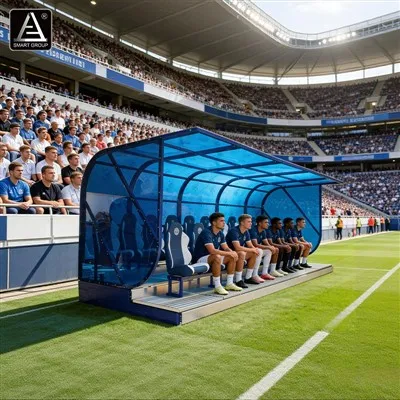
In modern stadiums, arenas, school gyms, and sports facilities, seating systems are designed for long-term use and high-frequency operation. However, inevitable wear and accidental damage raise an important operational question for facility managers and procurement teams: if a seat is damaged, can it be replaced individually without replacing the entire row or system?
The short answer is yes-most professional stadium seating systems are designed to allow individual seat replacement. However, the ease, cost, and compatibility depend heavily on the seat structure, installation method, and manufacturer standards.
Modular Seating Design Makes Individual Replacement Possible
Today's stadium seating systems are typically built using modular engineering principles. Each seat is manufactured as an independent unit and then fixed onto a beam, step, or frame structure using standardized mounting points.
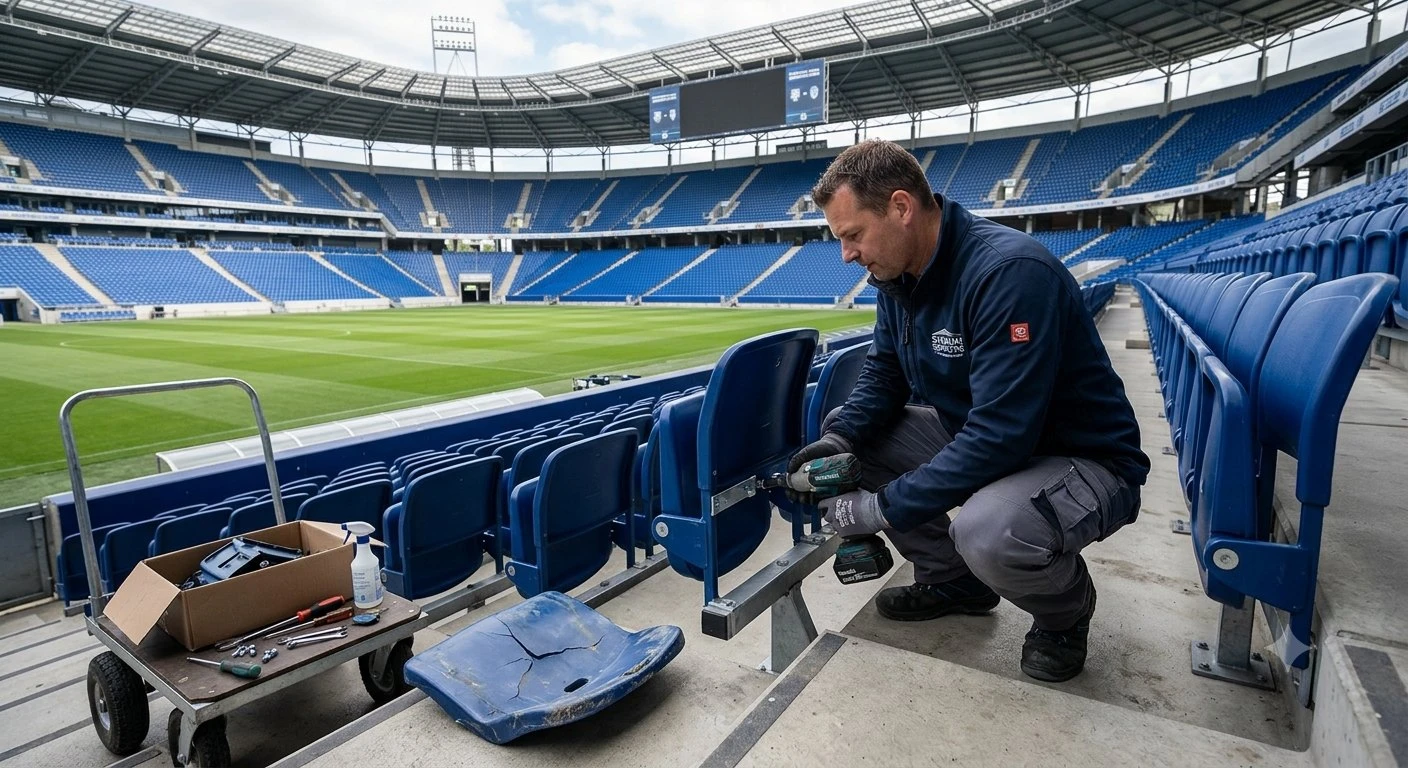
This modular approach means that if one seat is damaged-whether due to impact, vandalism, UV aging, or mechanical failure-it can usually be removed and replaced without disturbing adjacent seats. In most cases, technicians only need basic tools such as wrenches or screwdrivers to detach the damaged unit.
For facilities with folding seats, tip-up seats, or HDPE molded chairs, replacement is even more straightforward because the seat shell and metal bracket are separate components designed for quick servicing.
Factors That Affect Seat Replacement Compatibility
Although individual replacement is widely supported, several technical factors determine how seamless the process will be.
First, the mounting system plays a key role. Seats installed on aluminum beams or steel frameworks with standardized hole spacing are the easiest to maintain. If the seating system uses custom fabrication or older non-standard designs, replacement may require partial disassembly or custom parts.
Second, product consistency matters. If the original manufacturer is still supplying the same model, replacements are simple. However, if the seat model has been discontinued, color matching, dimensions, or bracket alignment may differ slightly.
Third, installation environment also influences replacement complexity. In outdoor stadiums exposed to weather, corrosion on bolts or frames may require additional maintenance before the new seat can be installed.
Step-by-Step Process of Replacing a Single Stadium Seat
In most professional installations, replacing a damaged seat follows a structured maintenance process:
The maintenance team first identifies the damaged unit and checks whether the issue is limited to the seat shell, backrest, or full bracket assembly. Then, the seat is carefully detached from its mounting points, usually by loosening bolts or release clips.
Once removed, the surface is inspected for frame integrity and cleaned if necessary. The replacement seat is then aligned with the existing mounting holes and securely fastened. Finally, technicians test the stability to ensure the seat meets safety standards.
This entire process is typically quick, often completed within minutes per seat, minimizing disruption to the venue.
Benefits of Individual Seat Replacement
One of the biggest advantages of modular seating systems is cost efficiency. Instead of replacing an entire row or section, facility managers only need to replace the affected units, significantly reducing maintenance costs.
It also ensures operational continuity. Sports venues, schools, and multipurpose arenas can maintain full seating capacity without scheduling long downtime for repairs.
Another benefit is aesthetic consistency. High-quality manufacturers provide consistent color batches and material durability, ensuring that replacement seats blend seamlessly with existing installations when sourced correctly.
Finally, it supports sustainable facility management by reducing material waste and extending the overall lifecycle of the seating system.
When Full Replacement May Be Necessary
While individual replacement is the standard approach, there are situations where full or partial system replacement becomes more practical.
If the structural frame is damaged due to corrosion or impact, replacing only the seat will not resolve safety concerns. Similarly, in very old installations where spare parts are no longer available, upgrading an entire section may be more cost-effective.
Venues also choose full replacement when upgrading to newer seating standards, such as switching from fixed seats to foldable ergonomic designs or adding enhanced padding and accessibility features.
Conclusion: A Flexible and Cost-Effective Maintenance Solution
In most modern stadium seating systems, individual seat replacement is not only possible but also highly efficient. Thanks to modular engineering and standardized installation systems, facility operators can maintain safety, appearance, and functionality without major disruptions.
For stadium owners and procurement teams, selecting seating systems with easy replacement capability is a long-term investment in operational efficiency, cost control, and facility durability.
Author Profile: Guangzhou Smart Sports Industrial Co., Ltd.