Company Overview: A Global Leader in Architecture and Sports Facility Design
HOK is a global design, architecture, engineering, and planning firm headquartered in the United States. With expertise spanning sports, entertainment, aviation, healthcare, education, commercial development, and public infrastructure, HOK delivers design solutions for complex projects that require coordination between architectural vision, technical performance, operational efficiency, and long-term sustainability.
Official website: https://www.hok.com
HOK is particularly relevant to the sports construction industry because modern sports venues are no longer designed solely as places to watch competitions. They increasingly function as multipurpose destinations that support professional sports, community recreation, concerts, commercial activities, and major public events.
For stadium developers, government authorities, sports organizations, and construction companies, HOK offers expertise in transforming project requirements into integrated venue concepts. Its work brings together architectural planning, spectator experience, building systems, circulation, and operational considerations to help clients develop facilities that serve both immediate project objectives and long-term community needs.
Core Business Areas in Sports and Entertainment ArchitectureCore Business Areas in Sports and Entertainment Architecture
HOK's sports and entertainment practice covers a broad range of project types, from major professional sports venues to facilities designed for multiple events and public uses.
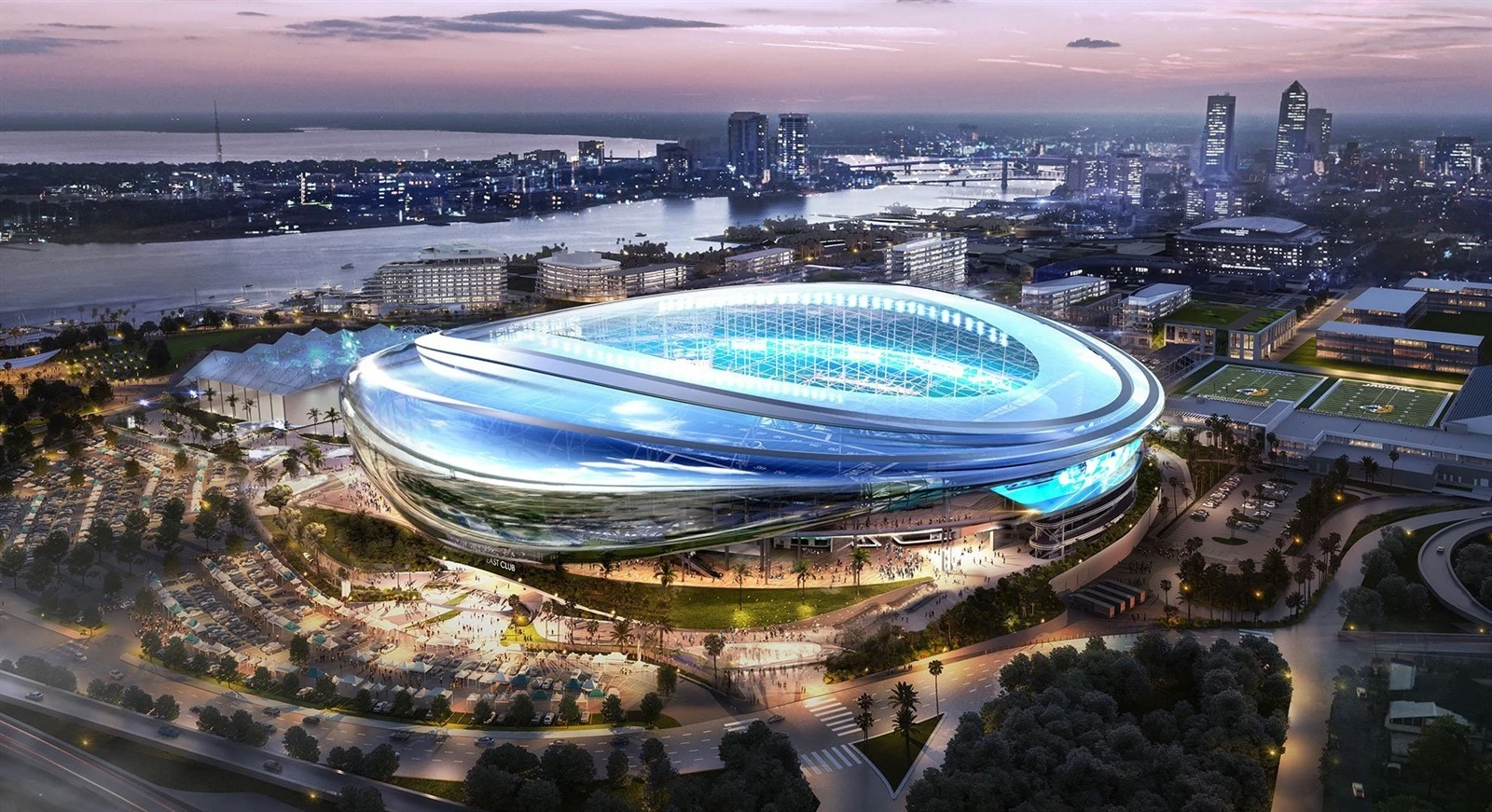
Stadium and arena design: Large stadiums and indoor arenas require careful coordination of seating capacity, sightlines, spectator circulation, structural systems, hospitality areas, and event operations. Design decisions must balance audience comfort, safety, venue functionality, construction budgets, and future maintenance requirements.
Sports and entertainment districts: Sports venues can serve as anchors for wider commercial and urban developments. Integrated planning may include public spaces, entertainment facilities, retail areas, transportation connections, and supporting infrastructure.
Venue renovation and modernization: Existing stadiums and arenas often need upgrades to improve accessibility, replace aging infrastructure, enhance spectator amenities, and accommodate changing event requirements. Renovation projects can require particularly close coordination between designers, engineers, contractors, and specialist suppliers.
Multipurpose sports facilities: Facilities that accommodate basketball, hockey, concerts, exhibitions, and other events must be adaptable. Retractable seating systems, flexible floor plans, acoustic treatments, lighting, and audiovisual infrastructure can all contribute to more efficient venue utilization.
These capabilities make HOK relevant not only to sports clubs and venue operators, but also to public-sector clients, project management companies, design consultants, and construction firms responsible for delivering complex sports infrastructure.
Core Capabilities and Multi-Disciplinary Engineering Integration
HOK's success in the sports, recreation, and entertainment sector rests on its comprehensive, multi-disciplinary approach. Rather than treating stadium design as an isolated architectural task, HOK integrates urban planning, structural engineering, sustainability consulting, and experiential branding under a single unified framework.
· Stadiums and Open-Air Arenas: Specializing in cutting-edge soccer, baseball, football, and multi-sport outdoor stadiums that double as urban catalysts and community anchors.
· Indoor Arenas and Entertainment Complexes: Designing versatile indoor spaces optimized for high-density crowds, superior acoustics, and rapid-turnaround concerts or esports tournaments.
· Venue Renovation and Modernization: Breathing new life into aging civic or collegiate sports assets to meet contemporary revenue-generation, technological integration, and safety standards.
· District Master Planning: Blending sports venues seamlessly with retail, hospitality, and residential zones to create year-round economic activity hubs.
By maintaining in-house experts across structural engineering, sustainability, and landscape design, HOK minimizes friction points during the design-build lifecycle, offering government and corporate clients streamlined project delivery.
Project Evolution and Notable References: Navigating Mergers and Complex Legacies
To accurately study and collaborate on HOK's project portfolio, stakeholders must appreciate the company's structural growth and strategic acquisitions. A prime example is Rogers Place in Edmonton, Alberta, a state-of-the-art multi-use indoor arena and anchor for the surrounding ICE District. The initial design of Rogers Place was spearheaded by the renowned 360 Architecture team, a firm globally recognized for its prowess in sports and entertainment architecture. When 360 Architecture subsequently merged into HOK, its talent, proprietary workflows, and project histories were integrated into HOK's global sports practice, expanding the firm's technical depth in major hockey and multi-purpose entertainment arenas.
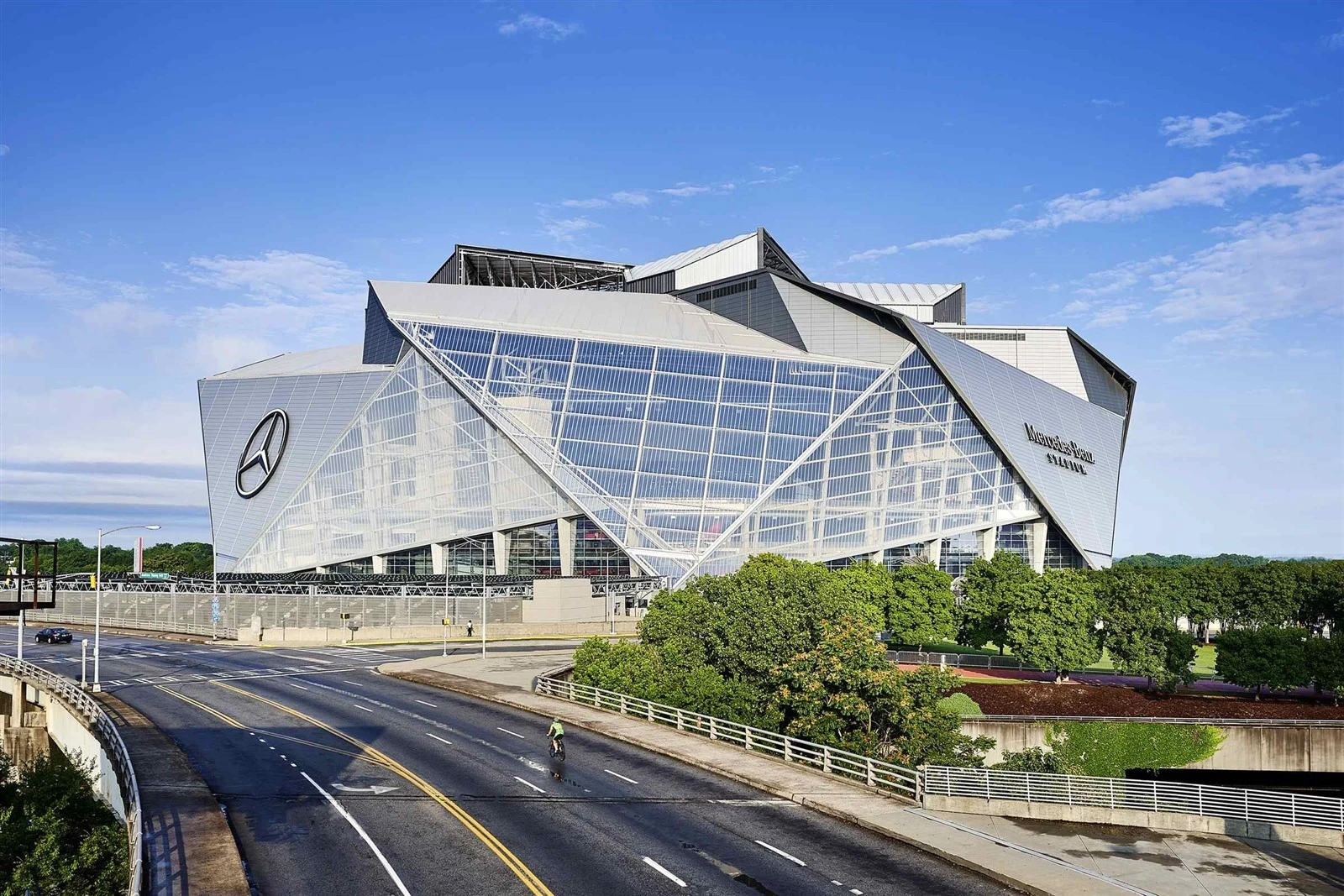
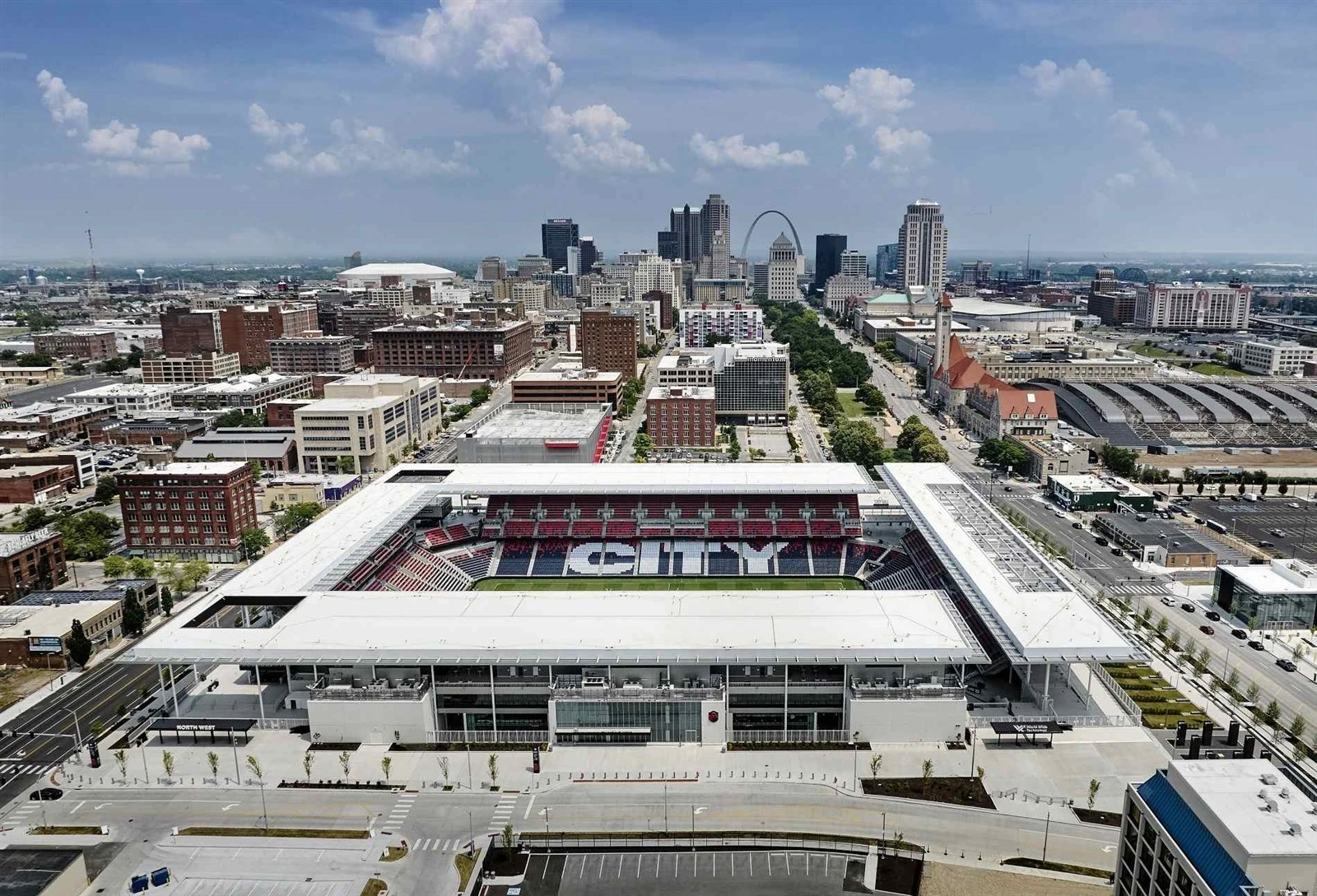
When researching or auditing legacy and contemporary projects, industry professionals must carefully distinguish between work originated by predecessor teams and projects executed directly under the unified HOK corporate umbrella. Other standout benchmarks in HOK's portfolio include Atlanta's Mercedes-Benz Stadium-the first LEED Platinum-certified sports stadium in the United States-and St. Louis's CITYPARK, which redefined how downtown urban spaces can seamlessly weave professional soccer facilities into civic life. These projects underscore HOK's capability to deliver high-performance architecture that satisfies stringent environmental mandates and municipal expectations.
Strategic Partnership and Supply Chain Value
For government procurement agencies, real estate developers, and specialized material suppliers, partnering with or supplying projects tied to HOK presents unique strategic advantages. HOK's integrated methodology means that design decisions-from structural steel specifications to advanced acoustic paneling-are deeply evaluated early in the schematic design phase.
· Early Material Selection and Scheme Coordination: Suppliers who engage early in HOK-led projects find a receptive engineering environment. Because HOK prioritizes structural optimization, embodied carbon reduction, and high-performance materials, component manufacturers can collaborate on custom solutions that fit precise sustainability and durability metrics.
· Risk Mitigation for Public Procurement: Government entities managing multi-million-dollar public-private sports projects benefit from HOK's rigorous project management protocols, historical data mapping, and regulatory compliance expertise.
· Optimized Lifecycle Operations: HOK designs venues with post-event operational efficiency in mind. Material selections are weighed against long-term maintenance costs, cleaning ergonomics, and energy efficiency, reducing long-term financial burdens for venue operators.
Conclusion
HOK stands at the intersection of aesthetic brilliance and rigorous engineering utility. For sports venue developers seeking reliable execution, municipal procurement officers navigating public investment, and material suppliers looking for high-impact project integration, HOK represents a gold standard in modern infrastructure design. By balancing community impact with commercial viability, HOK continues to shape the future of how cities experience sports and entertainment. Explore their full portfolio and corporate framework at HOK Official Website.
Author Profile: SMART GROUP - Global Sports Facility Solution Provider